1. Specifications Comparison
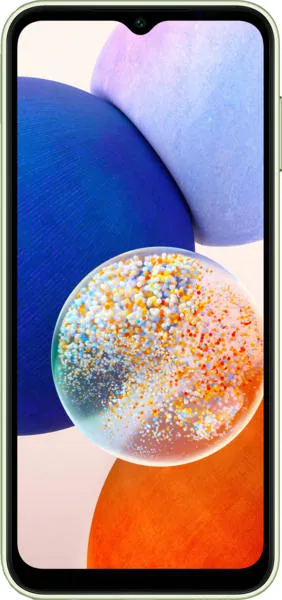
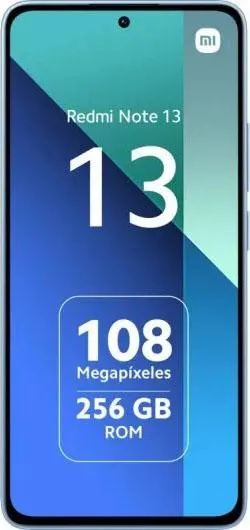
| Feature | Samsung Galaxy A14 | Xiaomi Redmi Note 13 4G | Practical Impact |
|---|---|---|---|
| Design | |||
| Dimensions (mm) | 167.7 x 78 x 9.1 | 162.3 x 75.6 x 8 | Redmi Note 13 is slightly smaller and thinner, potentially improving one-handed usability. |
| Weight (g) | 201 | 188.5 | Redmi Note 13 is noticeably lighter, reducing hand fatigue during extended use. |
| Fingerprint Sensor | Side-mounted | Under-display | Preference-based; under-display sensors are often perceived as more modern. |
| Display | |||
| Display Type | PLS LCD | AMOLED | AMOLED offers deeper blacks, more vibrant colors, and better power efficiency in dark mode. |
| Display Size (inches) | 6.6 | 6.67 | Negligible difference in screen real estate. |
| Resolution (px) | 1080 x 2408 | 1080 x 2400 | Virtually identical sharpness. |
| Refresh Rate (Hz) | Not specified | 120 | 120Hz provides smoother scrolling and animations compared to a standard 60Hz likely on the A14. |
| Peak Brightness (nits) | Not specified | 1800 | Higher peak brightness on the Redmi Note 13 ensures better visibility in direct sunlight. |
| Performance | |||
| Chipset | Mediatek Helio G80 (12nm) | Qualcomm Snapdragon 685 (6nm) | Snapdragon 685 offers better performance and power efficiency due to its more advanced manufacturing process. |
| CPU | Octa-core (2x2.0 GHz A75 & 6x1.8 GHz A55) | Octa-core (4x2.8 GHz A73 & 4x1.9 GHz A53) | Redmi Note 13's CPU has faster cores, resulting in significantly improved performance in demanding tasks and multitasking. |
| GPU | Mali-G52 MC2 | Adreno 610 | Adreno 610 offers better gaming performance. |
| RAM (GB) | 4 | 8 | More RAM on Redmi Note 13 enables smoother multitasking and better handling of memory-intensive applications. |
| Camera | |||
| Main Camera (MP) | 50 | 108 | Higher megapixel count on the Redmi Note 13 doesn't guarantee better image quality but offers greater flexibility for cropping and potentially more detail. |
| Selfie Camera (MP) | 13 | 16 | Redmi Note 13 has a slightly higher resolution selfie camera. |
| Video Recording | 1080p@30fps | 1080p@30fps | Identical video resolution and frame rate. Slow motion capabilities differ (120fps vs 60fps) favouring the A14 for smoother slow-mo. |
| Battery | |||
| Capacity (mAh) | 5000 | 5000 | Identical battery capacity. |
| Fast Charging (W) | 15 | 33 | Redmi Note 13 supports significantly faster charging, reducing downtime. |
2. Key Differences Analysis
Samsung Galaxy A14 Advantages:
- Potentially lower price point.
Xiaomi Redmi Note 13 4G Advantages:
- Superior Performance: The Snapdragon 685, coupled with 8GB RAM, offers a noticeable performance advantage for demanding tasks and gaming.
- Better Display: The AMOLED display with a 120Hz refresh rate provides a significantly better visual experience.
- Faster Charging: 33W fast charging significantly reduces charging time.
- Slightly More Compact Design: Lighter and thinner, making it more comfortable for one-handed use.
3. User Profiles & Recommendations
Samsung Galaxy A14: Budget-conscious users who prioritize basic functionality (calling, texting, social media) and light usage.
Xiaomi Redmi Note 13 4G: Users who value performance, a smooth and vibrant display, faster charging, and moderate gaming capabilities. Excellent for multitasking and media consumption.
4. Decision Framework
Key Questions for Buyers:
- What is your budget? The A14 is likely more affordable.
- What are your primary use cases? For basic tasks, the A14 suffices; for demanding tasks, gaming, and media consumption, the Redmi Note 13 is superior.
- How important is display quality and performance? The Redmi Note 13 offers a substantial upgrade in these areas.
My Choice: Xiaomi Redmi Note 13 4G
The Redmi Note 13 4G offers a significantly better overall user experience due to its superior performance, AMOLED display with 120Hz refresh rate, and faster charging. While the Galaxy A14 might be cheaper, the Redmi Note 13's advantages in key areas like performance, display, and charging make it a much more compelling device for a wider range of users. The slightly more compact and lighter design is a bonus. The price difference is likely worth the significant upgrade in overall usability and future-proofing offered by the Redmi Note 13 4G.
