
1. Specifications Comparison
| Feature | Samsung Galaxy A14 | Xiaomi Redmi Note 13 | Practical Impact |
|---|---|---|---|
| Design | |||
| Dimensions (mm) | 167.7 x 78 x 9.1 | 161.1 x 75 x 7.6 | Redmi Note 13 is slightly smaller and noticeably thinner, making it potentially more pocketable and comfortable to hold. |
| Weight (g) | 201 | 174.5 | Redmi Note 13 is significantly lighter, reducing hand fatigue during extended use. |
| Display | |||
| Display Type | PLS LCD | AMOLED | AMOLED offers deeper blacks, more vibrant colors, and better power efficiency in displaying dark content. |
| Display Size (inches) | 6.6 | 6.67 | Negligible difference in screen real estate. |
| Resolution (pixels) | 1080 x 2408 | 1080 x 2400 | Virtually identical resolution; sharpness will be similar on both. |
| Refresh Rate (Hz) | Not specified | 120 | 120Hz refresh rate on the Redmi Note 13 provides a smoother, more responsive user experience, especially noticeable in scrolling and gaming. |
| Performance | |||
| Chipset | Mediatek Helio G80 (12nm) | Mediatek Dimensity 6080 (6nm) | Dimensity 6080, built on a smaller process node, offers better performance and power efficiency than the Helio G80. |
| CPU | Octa-core (2x2.0 GHz Cortex-A75 & 6x1.8 GHz Cortex-A55) | Octa-core (2x2.4 GHz Cortex-A76 & 6x2.0 GHz Cortex-A55) | Redmi Note 13 has faster and more powerful CPU cores, leading to smoother multitasking and faster app loading. |
| RAM (GB) | 4 | 8 | More RAM on the Redmi Note 13 allows for more apps to run in the background without performance slowdown. |
| Camera | |||
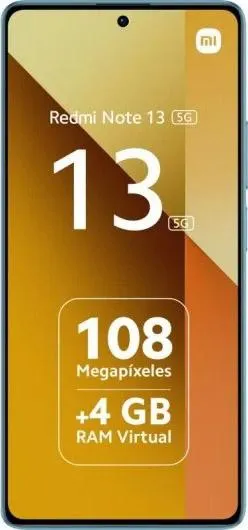
| Main Camera (MP) | 50 | 108 | Redmi Note 13 boasts a much higher resolution main sensor, potentially capturing more detail. However, megapixels alone don't guarantee image quality. |
| Other Cameras | Macro, Depth, Selfie | Wide, Depth, Selfie | Redmi Note 13 offers a more versatile wide-angle lens compared to the macro lens on the A14. |
| Battery | |||
| Capacity (mAh) | 5000 | 5000 | Identical battery capacity. Real-world battery life will depend on software optimization and usage patterns. |
| Fast Charging (W) | 15 | 33 | Significantly faster charging on the Redmi Note 13, minimizing downtime. |
2. Key Differences Analysis
Samsung Galaxy A14 Advantages:
- Potentially Lower Price: Positioned in the "medium price" range, it's likely more affordable.
Xiaomi Redmi Note 13 Advantages:
- Superior Performance: The Dimensity 6080 chipset, higher RAM, and faster refresh rate contribute to a significantly smoother and more responsive experience.
- Better Display: AMOLED technology provides richer visuals and improved power efficiency.
- Faster Charging: 33W fast charging significantly reduces charging time.
- More Versatile Camera System: The inclusion of a wide-angle lens enhances photographic capabilities.
3. User Profiles & Recommendations
Samsung Galaxy A14:
- Budget-conscious users: For those prioritizing affordability over top-tier performance or features.
- Basic smartphone users: Suitable for calling, texting, web browsing, and light social media usage.
Xiaomi Redmi Note 13:
- Performance-oriented users: Gamers, multitaskers, and those who demand a smooth and responsive experience.
- Photography enthusiasts: The versatile camera system and high-resolution main sensor cater to those who enjoy mobile photography.
- Users who value fast charging: Minimizes downtime and keeps the phone ready for use.
4. Decision Framework
Key Questions for Buyers:
- What is your budget? The A14 is likely more affordable.
- What are your primary smartphone usage patterns? For basic use, the A14 might suffice. For demanding tasks, the Redmi Note 13 is better equipped.
- Which features are most important to you? Prioritize display quality, performance, camera versatility, or charging speed.
My Choice: Xiaomi Redmi Note 13
While the Samsung Galaxy A14 might be a decent budget option, the Xiaomi Redmi Note 13 offers a significantly better overall package. The superior AMOLED display, noticeably faster performance thanks to the Dimensity 6080 and increased RAM, significantly faster charging, and a more versatile camera system make it a more compelling choice. Even if the Redmi Note 13 is slightly more expensive, the substantial upgrades in key areas justify the price difference for most users. The smoother 120Hz refresh rate alone makes a huge difference in daily use. The improved performance and battery will ensure the phone remains usable for a longer period before needing an upgrade.
