
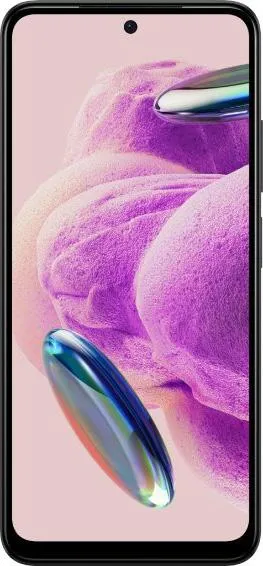
1. Specifications Comparison
| Feature | Samsung Galaxy A14 | Xiaomi Redmi Note 12S | Practical Impact |
|---|---|---|---|
| Design | |||
| Dimensions (mm) | 167.7 x 78 x 9.1 | 159.9 x 73.9 x 8.1 | Redmi Note 12S is noticeably smaller and thinner, making it more pocketable and easier to handle. |
| Weight (g) | 201 | 176 | Redmi Note 12S is lighter, reducing hand fatigue during extended use. |
| Display | |||
| Display Type | PLS LCD | AMOLED | AMOLED offers richer colors, deeper blacks, and better power efficiency. |
| Display Size (inches) | 6.6 | 6.43 | Negligible difference in screen real estate. |
| Resolution (px) | 1080 x 2408 | 1080 x 2400 | Virtually identical resolution, resulting in similar sharpness. |
| Refresh Rate (Hz) | Unspecified | 90 | 90Hz refresh rate on the Redmi Note 12S provides a smoother and more responsive user experience, especially noticeable in scrolling and gaming. |
| Peak Brightness (nits) | Unspecified | 1000 | Higher peak brightness on the Redmi Note 12S ensures better visibility in direct sunlight. |
| Performance | |||
| Chipset | Mediatek Helio G80 | Mediatek Helio G96 | Helio G96 offers better CPU and GPU performance, translating to faster app loading, smoother multitasking, and improved gaming capabilities. |
| CPU | Octa-core (2x2.0 GHz A75 & 6x1.8 GHz A55) | Octa-core (2x2.05 GHz A76 & 6x2.0 GHz A55) | Redmi Note 12S has slightly faster and more efficient CPU cores. |
| GPU | Mali-G52 MC2 | Mali-G57 MC2 | Redmi Note 12S has a significantly more powerful GPU, beneficial for gaming and graphically demanding tasks. |
| RAM (GB) | 4 | 6 | More RAM on the Redmi Note 12S allows for better multitasking and smoother performance with multiple apps open. |
| Camera | |||
| Main Camera (MP) | 50 | 108 | Higher resolution on the Redmi Note 12S potentially allows for more detailed photos, though image quality depends on factors beyond resolution. |
| Selfie Camera (MP) | 13 | 16 | Redmi Note 12S has a slightly higher resolution selfie camera. |
| Battery | |||
| Capacity (mAh) | 5000 | 5000 | Identical battery capacity suggests similar battery life, although actual usage will vary. |
| Fast Charging (W) | 15 | 33 | Significantly faster charging on the Redmi Note 12S reduces downtime. |
2. Key Differences Analysis
Samsung Galaxy A14 Advantages:
- Potentially Lower Price: Depending on the specific configuration and retailer, the A14 might be more affordable.
Xiaomi Redmi Note 12S Advantages:
- Superior Display: AMOLED with 90Hz refresh rate provides a significantly better visual experience.
- Faster Performance: More powerful chipset, CPU, and GPU result in smoother overall performance and better gaming capabilities.
- Faster Charging: 33W fast charging significantly reduces charging time.
- Higher Resolution Main Camera: 108MP main camera potentially captures more detailed photos.
3. User Profiles & Recommendations
Samsung Galaxy A14: Budget-conscious users who prioritize basic smartphone functionality for tasks like calling, texting, web browsing, and social media.
Xiaomi Redmi Note 12S: Users who value a smooth and responsive user experience, vibrant display, good gaming performance, fast charging, and a capable camera. Suitable for mobile gamers, content consumers, and those who use their phones heavily.
4. Decision Framework
Key Questions for Buyers:
- What is your budget? The A14 is likely more affordable.
- What are your primary use cases? For basic tasks, the A14 might suffice. For demanding tasks and gaming, the Redmi Note 12S is superior.
- How important is display quality and smoothness? The Redmi Note 12S offers a significantly better display.
Scenario-Based Recommendations:
- Limited Budget, Basic Use: Samsung Galaxy A14
- Balanced Performance and Price: Xiaomi Redmi Note 12S (6GB/128GB)
- Best Performance: Xiaomi Redmi Note 12S (8GB/256GB)
My Choice: Xiaomi Redmi Note 12S
The Redmi Note 12S offers a significantly better user experience due to its superior AMOLED display with a 90Hz refresh rate, more powerful processor, faster charging, and a higher resolution main camera. While the price might be higher than the A14, the substantial improvements in performance, display, and charging make it a more compelling choice for most users. The smoother performance and vibrant display alone are worth the price difference. Even the base 6GB/128GB model of the Redmi Note 12S provides a noticeable upgrade over the A14.
