
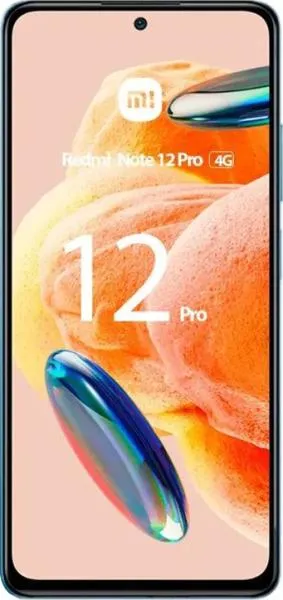
1. Specifications Comparison
| Feature | Samsung Galaxy A14 | Xiaomi Redmi Note 12 Pro 4G | Practical Impact |
|---|---|---|---|
| Design | |||
| Dimensions (mm) | 167.7 x 78 x 9.1 | 164.2 x 76.1 x 8.1 | Redmi Note 12 Pro is slightly smaller and thinner, making it potentially more pocketable. |
| Weight (g) | 201 | 201.8 | Negligible weight difference in real-world usage. |
| Display | |||
| Display Type | PLS LCD | AMOLED | AMOLED offers significantly better contrast, deeper blacks, and more vibrant colors, resulting in a superior viewing experience. |
| Display Size (inches) | 6.6 | 6.67 | Slight size difference, barely noticeable in practical use. |
| Resolution (px) | 1080 x 2408 | 1080 x 2400 | Virtually identical resolution, offering similar sharpness. |
| Refresh Rate (Hz) | Not specified | 120 | 120Hz refresh rate on the Redmi Note 12 Pro provides smoother scrolling and animations, leading to a more fluid user experience. |
| Performance | |||
| Chipset | Mediatek Helio G80 | Qualcomm Snapdragon 732G | Snapdragon 732G generally offers better performance and efficiency compared to the Helio G80, resulting in smoother multitasking and gaming. |
| CPU | Octa-core (2x2.0 GHz A75 & 6x1.8 GHz A55) | Octa-core (2x2.2 GHz Kryo 470 Gold & 6x1.8 GHz Kryo 470 Silver) | Snapdragon 732G's Kryo cores are generally more powerful, providing a performance advantage. |
| GPU | Mali-G52 MC2 | Adreno 618 | Adreno 618 offers better graphics performance, beneficial for gaming and visually demanding tasks. |
| RAM (GB) | 4 | 8 | More RAM on the Redmi Note 12 Pro allows for better multitasking and smoother performance with multiple apps open. |
| Camera | |||
| Main Camera (MP) | 50 | 108 | Redmi Note 12 Pro boasts higher resolution, potentially capturing more detail. However, megapixels alone don't guarantee image quality. |
| Video Recording | 1080p@30fps | 4K@30fps, 1080p@60fps | Redmi Note 12 Pro offers superior video recording capabilities with 4K resolution and higher frame rates, resulting in smoother and more detailed videos. |
| Battery | |||
| Capacity (mAh) | 5000 | 5020 | Negligible difference in battery capacity. |
| Fast Charging (W) | 15 | 67 | Significantly faster charging on the Redmi Note 12 Pro, minimizing downtime. |
2. Key Differences Analysis
Samsung Galaxy A14 Advantages:
- Potentially Lower Price: While not explicitly stated, A-series phones generally target a lower price point within the "medium price" range.
Xiaomi Redmi Note 12 Pro 4G Advantages:
- Superior Display: AMOLED with 120Hz refresh rate delivers a significantly better visual experience.
- Better Performance: Snapdragon 732G and more RAM ensure smoother operation and better multitasking.
- Enhanced Camera: Higher resolution main camera and superior video recording capabilities.
- Faster Charging: 67W fast charging dramatically reduces charging time.
Trade-offs:
- The Redmi Note 12 Pro likely comes at a higher price due to its superior features.
3. User Profiles & Recommendations
Samsung Galaxy A14: Budget-conscious users who prioritize basic functionality over premium features. Suitable for everyday tasks like calling, texting, browsing, and light social media use.
Xiaomi Redmi Note 12 Pro 4G: Users who value a premium multimedia experience, smooth performance, and fast charging. Ideal for gaming, content consumption, photography, and demanding multitasking.
4. Decision Framework
Key Questions for Buyers:
- What is your budget? The A14 likely offers better value for a lower price, while the Redmi Note 12 Pro justifies a higher price with premium features.
- What are your primary use cases? For basic tasks, the A14 suffices. For demanding tasks and multimedia consumption, the Redmi Note 12 Pro is superior.
- Which features do you prioritize? Consider whether display quality, performance, camera capabilities, and charging speed are essential factors.
My Choice: Xiaomi Redmi Note 12 Pro 4G
While the Samsung Galaxy A14 might offer a lower price point, the Xiaomi Redmi Note 12 Pro 4G provides a significantly better overall user experience. The AMOLED display with a 120Hz refresh rate, the more powerful processor and increased RAM, the superior camera system, and incredibly fast charging are compelling advantages. These enhancements justify the likely price difference for a user who values performance, multimedia quality, and convenience. The smoother performance, vibrant display, and quick charging significantly improve daily usage, making the Redmi Note 12 Pro 4G a more enjoyable and efficient device.
