
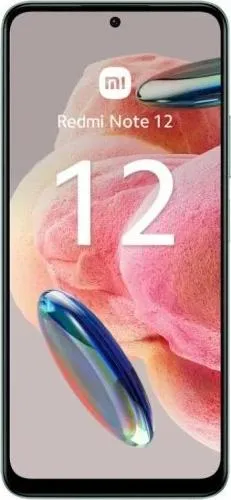
1. Specifications Comparison
| Feature | Samsung Galaxy A14 | Xiaomi Redmi Note 12 4G | Practical Impact |
|---|---|---|---|
| Design | |||
| Dimensions (mm) | 167.7 x 78 x 9.1 | 165.7 x 76 x 7.9 | Redmi Note 12 4G is slightly smaller and thinner, making it potentially more pocketable. |
| Weight (g) | 201 | 183.5 | Redmi Note 12 4G is noticeably lighter, improving one-handed use and reducing fatigue. |
| Display | |||
| Display Type | PLS LCD | AMOLED | AMOLED offers deeper blacks, more vibrant colors, and better power efficiency in dark mode. |
| Display Size (inches) | 6.6 | 6.67 | Negligible difference in screen real estate. |
| Resolution | 1080 x 2408 | 1080 x 2400 | Virtually identical resolution; sharpness will be similar on both. |
| Refresh Rate (Hz) | Unspecified | 120 | 120Hz provides a significantly smoother and more responsive user experience, especially noticeable in scrolling and gaming. |
| Peak Brightness (nits) | Unspecified | 1200 | Redmi Note 12 4G's higher peak brightness ensures better visibility outdoors in direct sunlight. Missing A14 data limits full comparison. |
| Performance | |||
| Chipset | Mediatek Helio G80 (12nm) | Qualcomm Snapdragon 685 (6nm) | Snapdragon 685 is built on a smaller node (6nm vs 12nm), indicating better power efficiency and potentially better performance. |
| CPU | Octa-core (2x2.0 GHz Cortex-A75 & 6x1.8 GHz Cortex-A55) | Octa-core (4x2.8 GHz Cortex-A73 & 4x1.9 GHz Cortex-A53) | Snapdragon 685 has faster and more powerful cores, leading to improved performance in demanding tasks and multitasking. |
| GPU | Mali-G52 MC2 | Adreno 610 | Adreno 610 generally provides better gaming performance compared to Mali-G52 MC2. |
| RAM (GB) | 4 | 4/6/8 (depending on variant) | Redmi Note 12 4G offers configurations with more RAM, enabling smoother multitasking and better handling of memory-intensive apps. |
| Camera | |||
| Main Camera (MP) | 50 | 50 | Similar resolution; image quality will depend on sensor and processing. |
| Ultrawide (MP) | N/A | 8 | Redmi Note 12 4G offers ultrawide photography, expanding creative possibilities. |
| Macro (MP) | 2 | 2 | Similar macro camera resolution. |
| Selfie (MP) | 13 | 13 | Similar selfie camera resolution. |
| Battery | |||
| Capacity (mAh) | 5000 | 5000 | Identical battery capacity. Real-world battery life will depend on factors like display type and processor efficiency. |
| Fast Charging (W) | 15 | 33 | Redmi Note 12 4G offers significantly faster charging, reducing downtime. |
2. Key Differences Analysis
Redmi Note 12 4G Advantages:
- Superior Display: AMOLED with 120Hz refresh rate provides a dramatically better visual experience.
- Faster Performance: More powerful processor and higher RAM options deliver smoother overall performance.
- Faster Charging: 33W fast charging significantly reduces charging time.
- Ultrawide Camera: Adds versatility for capturing wider scenes.
Samsung Galaxy A14 Advantages:
- Potentially Lower Price: Depending on specific configurations and regional pricing. Missing concrete pricing data limits definitive conclusion.
3. User Profiles & Recommendations
Redmi Note 12 4G: Suited for users who prioritize display quality, performance, and fast charging. Ideal for gamers, multimedia consumers, and those who value a smooth and responsive user interface.
Samsung Galaxy A14: Best for budget-conscious users who prioritize basic functionality and long battery life. Suitable for users with less demanding needs, such as calling, texting, and light web browsing.
4. Decision Framework
Key Questions for Buyers:
- What is your budget? The Redmi Note 12 4G generally offers better value but might be slightly more expensive.
- How important is display quality and smoothness? If a vibrant display and smooth scrolling are crucial, the Redmi Note 12 4G is the clear winner.
- What are your primary use cases? For demanding tasks like gaming, the Redmi Note 12 4G is recommended. For basic usage, the A14 might suffice.
My Choice: Xiaomi Redmi Note 12 4G
The Xiaomi Redmi Note 12 4G is the superior device due to its significantly better display (AMOLED with 120Hz), more powerful processor, faster charging, and the inclusion of an ultrawide camera. While pricing might vary, the overall user experience offered by the Redmi Note 12 4G justifies the potential price difference for most users. The performance and display upgrades alone make a substantial difference in day-to-day usage. The faster charging is a significant convenience in today's fast-paced world. While the A14 might be a viable option for extremely budget-conscious buyers, the Redmi Note 12 4G provides significantly more value and a superior user experience.
