
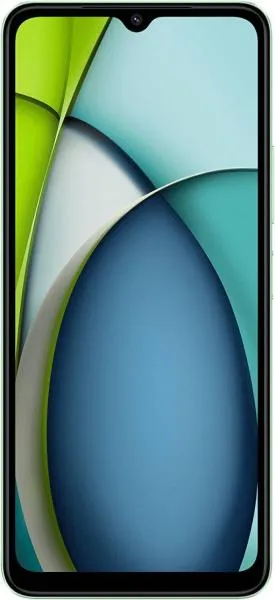
1. Specifications Comparison
| Feature | Samsung Galaxy A14 | Xiaomi Redmi A3x | Practical Impact |
|---|---|---|---|
| Design | |||
| Dimensions (mm) | 167.7 x 78 x 9.1 | 168.4 x 76.3 x 8.3 | Redmi A3x is slightly thinner and lighter. Negligible difference in daily use. |
| Weight (g) | 201 | 193 | Redmi A3x is slightly lighter, but the difference is minimal. |
| Display | |||
| Size (inches) | 6.6 | 6.71 | A3x has a marginally larger screen. |
| Resolution (px) | 1080 x 2408 | 720 x 1650 | A14 has a significantly sharper display (400 ppi vs 268 ppi), resulting in clearer text and images. |
| Refresh Rate (Hz) | Not specified | 90 | A3x's 90Hz refresh rate provides smoother scrolling and animations compared to A14's standard 60Hz (assumed). |
| Display Type | PLS LCD | IPS LCD | Both are LCD panels. PLS LCD generally offers slightly better color reproduction and viewing angles than standard IPS LCD. |
| Performance | |||
| Chipset | Mediatek Helio G80 (12 nm) | Unisoc T603 (22 nm) | The Helio G80 in the A14 is generally considered more powerful than the Unisoc T603, resulting in better gaming and multitasking performance. |
| CPU | Octa-core (2x2.0 GHz Cortex-A75 & 6x1.8 GHz Cortex-A55) | Octa-core 1.8 GHz | A14 has faster clock speeds and a more powerful CPU architecture, leading to noticeable performance advantages. |
| RAM (GB) | 4 | 4/3 (version dependent) | 4GB RAM is sufficient for basic tasks on both phones. |
| OS | Android 13 | Android 14 | A3x ships with a newer Android version, potentially offering newer features and longer software support. However, A14's maximum supported version is unspecified. |
| Camera | |||
| Rear Camera (MP) | 50 + 2 + 2 | 8 + 0.1 | A14 boasts a higher resolution main sensor (50MP vs 8MP), potentially capturing more detail in photos. A3x's secondary "0.1MP" camera is practically useless. |
| Front Camera (MP) | 13 | 5 | A14 has a significantly higher resolution front camera for better selfies. |
| Battery | |||
| Capacity (mAh) | 5000 | 5000 | Both have the same battery capacity. |
| Fast Charging | 15W | 10W | A14 supports faster charging. |
| Other | |||
| NFC | Yes | No | A14 supports NFC for contactless payments and other functionalities. |
| Price | Medium | Low | A3x is more budget-friendly. |
2. Key Differences Analysis
Samsung Galaxy A14 Advantages:
- Significantly better display: Higher resolution and potentially better color reproduction.
- More powerful performance: Faster processor and GPU for smoother multitasking and gaming.
- Higher resolution cameras: Better photo and video quality.
- NFC: Enables contactless payments.
- Faster Charging: Reduces charging time.
Xiaomi Redmi A3x Advantages:
- Lower price: More affordable option.
- Newer Android version: Potentially longer software support and access to newer features.
- Higher Refresh Rate: Smoother user interface experience.
- Lighter and slimmer design: More comfortable to hold (marginally).
Trade-offs:
- A14 sacrifices a high refresh rate display and a newer Android OS for better performance and camera quality.
- A3x compromises performance, display sharpness, camera quality, and features like NFC for a lower price point.
3. User Profiles & Recommendations
Samsung Galaxy A14: Suitable for users who prioritize performance, display quality, camera capabilities, and features like NFC. Ideal for moderate gaming, media consumption, and mobile photography.
Xiaomi Redmi A3x: Best suited for budget-conscious users who primarily use their phones for basic tasks like calling, texting, browsing, and social media. Suitable for users who prioritize battery life and a smooth user interface over raw performance.
4. Decision Framework
Key Questions for Buyers:
- What is your budget? If price is a major constraint, the Redmi A3x is the more affordable choice.
- What are your primary phone usage patterns? For demanding tasks, gaming, or photography, the A14 is better equipped. For basic usage, the A3x is sufficient.
- Which features are most important to you? Prioritize features like NFC, display quality, camera performance, or a newer OS version to guide your decision.
My Choice: Samsung Galaxy A14
While the Redmi A3x offers a compelling price point, the Samsung Galaxy A14's superior display, performance, camera system, and NFC capability make it a more well-rounded device. The sharper display and faster processor will provide a noticeably better user experience in day-to-day tasks, while the inclusion of NFC offers convenient contactless payment options. Although the A3x has a higher refresh rate screen and newer Android version, the performance and display resolution differences are significant enough to impact daily usage. The price difference is justifiable for the substantial increase in overall quality and features. For the majority of users, the A14 represents a better long-term investment.
