1. Specifications Comparison
| Feature | Samsung Galaxy A14 | Xiaomi Redmi 13C 5G | Practical Impact |
|---|---|---|---|
| Design | |||
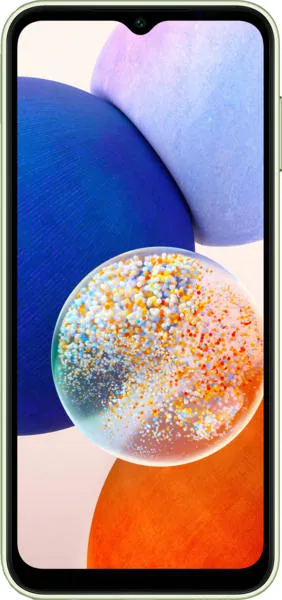
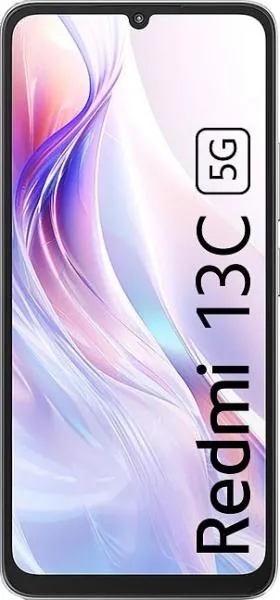
| Dimensions (mm) | 167.7 x 78 x 9.1 | 168 x 78 x 8.1 | Redmi 13C slightly thinner and lighter. Negligible difference in daily use. |
| Weight (g) | 201 | 192 | Redmi 13C slightly lighter, but both are in a comfortable range. |
| Display | |||
| Display Size (inches) | 6.6 | 6.74 | Redmi 13C slightly larger display for more immersive content consumption. |
| Resolution (px) | 1080 x 2408 | 720 x 1600 | A14 significantly sharper display with better detail and clarity. Redmi 13C's lower resolution may appear pixelated. |
| Display Type | PLS LCD | IPS LCD | Both are LCD panels. PLS LCD generally offers slightly better color reproduction and viewing angles than standard IPS. |
| Refresh Rate (Hz) | Not specified | 90 | Redmi 13C's 90Hz refresh rate provides smoother scrolling and animations compared to the A14's standard 60Hz (assumed). |
| Performance | |||
| Chipset | Mediatek Helio G80 (12 nm) | Mediatek Dimensity 6100+ (6 nm) | Dimensity 6100+ is significantly more powerful and efficient due to its smaller manufacturing process (6nm vs 12nm). This translates to smoother multitasking, faster app loading, and better gaming performance on the Redmi 13C. |
| CPU | Octa-core (2x2.0 GHz A75 & 6x1.8 GHz A55) | Octa-core (2x2.2 GHz A76 & 6x2.0 GHz A55) | Redmi 13C has faster and more powerful CPU cores, leading to noticeably better performance. |
| GPU | Mali-G52 MC2 | Mali-G57 MC2 | Redmi 13C's GPU is more powerful, resulting in smoother graphics and better gaming performance. |
| RAM (GB) | 4 | 6 | Redmi 13C offers more RAM in the listed configuration, allowing for better multitasking and smoother performance with multiple apps open. |
| Camera | |||
| Rear Camera (MP) | 50MP Main, 2MP Macro, 2MP Depth | 50MP Main, 0.8MP (Unspecified) | Both have a 50MP main camera. The secondary sensors on the A14 might offer slightly more versatility, though the quality of the Redmi 13C's unspecified 0.8MP sensor is unclear. |
| Front Camera (MP) | 13MP | 5MP | A14 boasts a significantly higher resolution front camera for better selfies. |
| Battery | |||
| Capacity (mAh) | 5000 | 5000 | Both have the same battery capacity. |
| Fast Charging | 15W | 18W | Redmi 13C supports slightly faster charging. |
2. Key Differences Analysis
Samsung Galaxy A14 Advantages:
- Sharper Display: The significantly higher resolution display provides a much clearer and more detailed viewing experience.
- Higher Resolution Selfie Camera: Better for users who prioritize high-quality self-portraits.
Xiaomi Redmi 13C 5G Advantages:
- Significantly Better Performance: The Dimensity 6100+ chipset and more RAM offer significantly improved speed and responsiveness across all tasks.
- Higher Refresh Rate Display: Smoother scrolling and animations for a more fluid user experience.
- Faster Charging: Reduced charging time.
Trade-offs:
- Redmi 13C's Lower Resolution Display: While the larger screen size and higher refresh rate are beneficial, the low resolution is a noticeable compromise.
3. User Profiles & Recommendations
Samsung Galaxy A14: Users who prioritize display quality and selfie camera performance over raw processing power. Suitable for casual users focused on social media, web browsing, and light gaming. Good for users on a tighter budget who value a sharp screen.
Xiaomi Redmi 13C 5G: Users who prioritize performance and a smooth user experience. Ideal for gaming, multitasking, and demanding applications. Better suited for users who don't mind a lower resolution display but want a fast and responsive phone.
4. Decision Framework
Key Questions for Buyers:
- What is your budget?
- What are your primary use cases (e.g., gaming, photography, social media)?
- Do you prioritize display sharpness or smoothness more?
Scenario-Based Recommendations:
- Tight budget, casual usage: Samsung Galaxy A14
- Moderate budget, performance focused: Xiaomi Redmi 13C 5G
My Choice: Xiaomi Redmi 13C 5G
While the A14 has a superior display, the Redmi 13C 5G's significantly better performance, faster refresh rate, and slightly faster charging make it a more compelling overall package for me. I prioritize a smooth and responsive user experience, and the Dimensity 6100+ delivers that. I can accept the lower resolution display considering the performance gains and overall value proposition. The slightly faster charging is also a bonus. Modern apps and the OS itself benefit greatly from the more powerful processor, resulting in a more enjoyable daily use experience.
