1. Specifications Comparison
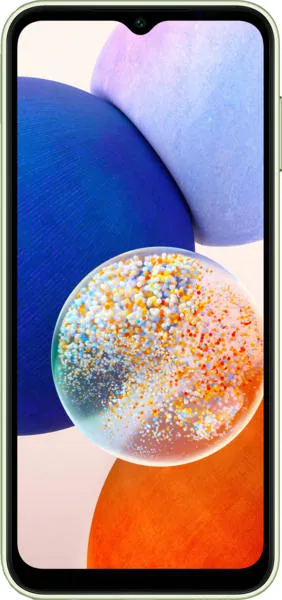
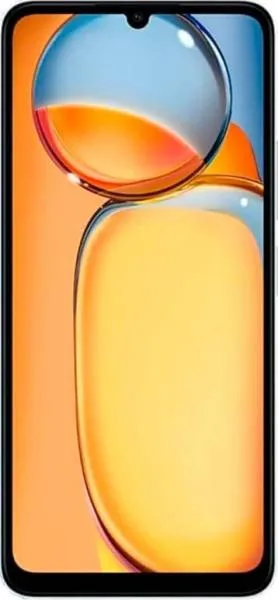
| Feature | Samsung Galaxy A14 | Xiaomi Redmi 13C | Practical Impact |
|---|---|---|---|
| Design | |||
| Dimensions (mm) | 167.7 x 78 x 9.1 | 168 x 78 x 8.1 | Redmi 13C is slightly thinner and lighter. Negligible difference in daily use. |
| Weight (g) | 201 | 192 | Redmi 13C is slightly lighter, but the difference is minimal. |
| Display | |||
| Display Size (inches) | 6.6 | 6.74 | Redmi 13C has a slightly larger display, providing more screen real estate. |
| Resolution (px) | 1080 x 2408 | 720 x 1600 | A14 has a significantly sharper display (400 ppi vs 260 ppi), resulting in clearer text and images. |
| Refresh Rate (Hz) | Unspecified | 90 | Redmi 13C's 90Hz refresh rate delivers smoother scrolling and animations, though impact depends on the A14's unspecified rate. |
| Display Type | PLS LCD | IPS LCD | Both are LCD panels. PLS LCD generally offers slightly better color reproduction and viewing angles compared to standard IPS LCD. |
| Performance | |||
| Chipset | Mediatek Helio G80 | Mediatek Helio G85 | Both chipsets offer similar performance, with G85 having a slight edge in gaming due to slightly higher GPU frequency. |
| CPU | Octa-core (2x2.0 GHz Cortex-A75 & 6x1.8 GHz Cortex-A55) | Octa-core (2x2.0 GHz Cortex-A75 & 6x1.8 GHz Cortex-A55) | Nearly identical CPU configurations, suggesting similar performance for everyday tasks. |
| GPU | Mali-G52 MC2 | Mali-G52 MC2 | Same GPU. |
| RAM | 4GB | 4/6/8GB | Redmi 13C offers configurations with more RAM, enabling better multitasking and smoother performance with demanding apps. |
| Camera | |||
| Main Camera (MP) | 50 | 50 | Both have the same resolution main camera. Image quality will depend on sensor and processing software, which isn't fully detailed. |
| Front Camera (MP) | 13 | 5 | A14 has a much higher resolution front camera, likely resulting in better selfie quality. |
| Video Recording | 1080p@30fps | 1080p@30fps | Both offer similar video recording capabilities. |
| Battery | |||
| Capacity (mAh) | 5000 | 5000 | Identical battery capacities suggest similar battery life, though actual usage will vary. |
| Fast Charging | 15W | 18W | Redmi 13C supports slightly faster charging. |
2. Key Differences Analysis
Samsung Galaxy A14 Advantages:
- Sharper Display: Significantly higher pixel density resulting in a crisper viewing experience.
- Higher Resolution Selfie Camera: Better for video calls and self-portraits.
Xiaomi Redmi 13C Advantages:
- Higher Refresh Rate Display: Smoother scrolling and animations (assuming A14 is standard 60Hz).
- More RAM Options: Configurations with 6GB and 8GB RAM available for improved multitasking.
- Slightly Faster Charging: Quicker battery top-ups.
- Lower Price: Positioned in a lower price range.
Trade-offs:
- A14: Higher resolution display consumes more battery.
- Redmi 13C: Lower resolution display sacrifices visual clarity.
3. User Profiles & Recommendations
Samsung Galaxy A14: Users who prioritize display quality and a good selfie camera. Suitable for media consumption, social media, and casual photography.
Xiaomi Redmi 13C: Budget-conscious users who prefer a smooth display and good multitasking capabilities. Ideal for everyday tasks, light gaming, and social media.
4. Decision Framework
Key Questions:
- What is your budget? The Redmi 13C is more affordable.
- Is display sharpness or smoothness more important? A14 for sharpness, Redmi 13C for smoothness.
- How important is multitasking and overall performance? Redmi 13C offers higher RAM options for better performance.
My Choice: Samsung Galaxy A14
While the Redmi 13C offers a smoother display and faster charging, the significantly sharper display of the A14 is a crucial factor for me. I prioritize a crisp and clear viewing experience for media consumption and everyday use. The higher resolution front-facing camera is also a bonus. While RAM is a concern, 4GB is sufficient for my typical usage. The slightly higher price is justified by the superior display for my personal preferences.
