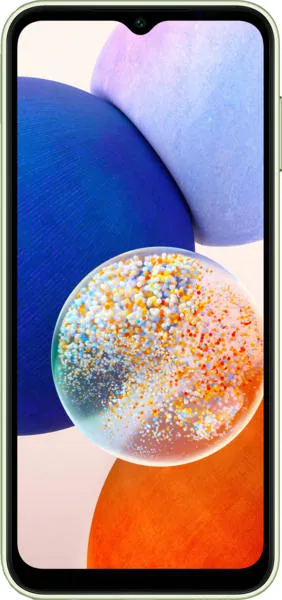
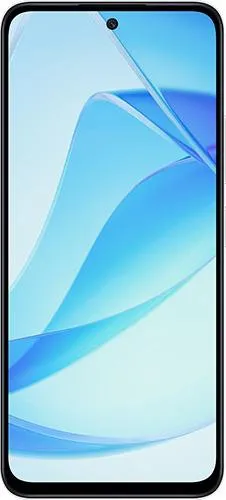
1. Specifications Comparison
| Feature | Samsung Galaxy A14 | Xiaomi Redmi 12 5G | Practical Impact |
|---|---|---|---|
| Design | |||
| Dimensions (mm) | 167.7 x 78 x 9.1 | 168.6 x 76.3 x 8.2 | Redmi 12 5G is slightly thinner and narrower. Negligible difference in daily use. |
| Weight (g) | 201 | 199 | Virtually identical weight; no noticeable difference in hand. |
| Build Material | Unspecified | Unspecified | Cannot compare build quality and durability without material information. |
| Display | |||
| Size (inches) | 6.6 | 6.79 | Redmi 12 5G offers a slightly larger screen for more immersive content consumption. |
| Resolution (pixels) | 1080 x 2408 | 1080 x 2460 | Comparable resolutions; both offer good sharpness for their size. Redmi 12 5G slightly taller due to aspect ratio. |
| Panel Type | PLS LCD | IPS LCD | Similar display technologies, expect comparable color accuracy and viewing angles. PLS LCD generally boasts slightly better outdoor visibility. |
| Refresh Rate (Hz) | Unspecified | 90 | Redmi 12 5G's 90Hz refresh rate provides smoother scrolling and animations compared to a standard 60Hz likely on the A14 (though unconfirmed). |
| Performance | |||
| Chipset | Mediatek Helio G80 (12nm) | Qualcomm Snapdragon 4 Gen 2 (4nm) | Snapdragon 4 Gen 2 built on a smaller process node (4nm vs 12nm), suggesting better power efficiency and potentially better performance than the Helio G80. |
| CPU | Octa-core (2x2.0 GHz Cortex-A75 & 6x1.8 GHz Cortex-A55) | Octa-core (2x2.2 GHz Cortex-A78 & 6x1.95 GHz Cortex-A55) | Redmi 12 5G likely has a performance advantage with newer and faster Cortex-A78 cores. |
| GPU | Mali-G52 MC2 | Adreno 613 | Adreno 613 generally offers better gaming performance compared to the Mali-G52 MC2. |
| RAM | 4GB | 4GB | Same RAM capacity; should offer similar multitasking capabilities in this configuration, though other RAM options exist for both phones. |
| Camera | |||
| Main Camera (MP) | 50 | 50 | Megapixel count is similar; image quality will depend more on sensor size, aperture, and processing which are not fully detailed here. |
| Other Cameras | Macro, Depth, Selfie (13MP) | Depth, Selfie (5MP) | A14 has a dedicated macro camera and a higher resolution selfie camera, while Redmi 12 5G boasts OIS for its main camera. Practical impact depends on individual usage. |
| Video Recording | 1080p@30fps | 1080p@30fps | Similar video recording capabilities. |
| Battery | |||
| Capacity (mAh) | 5000 | 5000 | Identical battery capacity; expected similar battery life, though real-world usage may vary due to chip efficiency. |
| Fast Charging | 15W | 18W | Redmi 12 5G supports slightly faster charging. |
2. Key Differences Analysis
Samsung Galaxy A14 Advantages:
- Potentially Lower Price: More price data points suggest it may be more affordable, though prices can fluctuate.
- Higher Resolution Selfie Camera: 13MP vs 5MP on the Redmi 12 5G. Better for video calls and self-portraits.
- NFC: Enables contactless payments and other NFC functionalities.
Xiaomi Redmi 12 5G Advantages:
- More Powerful Processor & GPU: Snapdragon 4 Gen 2 and Adreno 613 offer superior performance for gaming and demanding tasks.
- Higher Refresh Rate Display: Smoother visuals and improved responsiveness with 90Hz.
- Faster Charging: 18W charging will top up the battery quicker.
- Optical Image Stabilization (OIS): Offers better stability for photos and videos, especially in low light.
Trade-offs:
- Redmi 12 5G lacks NFC: A significant drawback for users relying on contactless payments.
3. User Profiles & Recommendations
Samsung Galaxy A14: Budget-conscious users prioritizing basic smartphone needs, including calling, messaging, social media, and casual photography. NFC is a plus for those who use contactless payments.
Xiaomi Redmi 12 5G: Users seeking better performance for gaming, multitasking, and a smoother display experience. Ideal for content consumption and mobile photography with steadier shots thanks to OIS.
4. Decision Framework
Key Questions for Buyers:
- What is your budget? The A14 is generally more affordable.
- Is NFC essential for you? A dealbreaker if you need contactless payments.
- Do you prioritize performance and a smooth display? The Redmi 12 5G excels in these areas.
Scenario-Based Recommendations:
- Limited Budget & Need NFC: Samsung Galaxy A14
- Smooth Display & Performance Focused: Xiaomi Redmi 12 5G
- Balanced Needs & Value: Consider specific pricing and prioritize features based on individual needs.
My Choice: Xiaomi Redmi 12 5G
While NFC is a nice feature, the performance difference and smoother display of the Redmi 12 5G are more compelling to me. The Snapdragon 4 Gen 2, coupled with the 90Hz refresh rate, would provide a significantly better user experience for everyday tasks and light gaming. The slightly faster charging is a bonus. While the A14 might be cheaper, the improved performance and display of the Redmi 12 5G would be worth the potential price difference for my usage. The lack of detailed camera specs makes a definitive camera comparison difficult, but the inclusion of OIS on the Redmi leans me towards it for capturing steadier photos and videos.
