
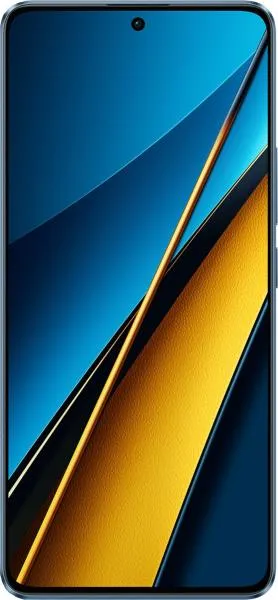
1. Specifications Comparison
| Feature | Samsung Galaxy A14 | Xiaomi Poco X6 | Practical Impact |
|---|---|---|---|
| Design | |||
| Dimensions (mm) | 167.7 x 78 x 9.1 | 161.2 x 74.3 x 8 | Poco X6 is slightly smaller and thinner, making it potentially more pocketable. |
| Weight (g) | 201 | 181 | Poco X6 is noticeably lighter, improving one-handed use and reducing fatigue. |
| Display | |||
| Display Type | PLS LCD | AMOLED | Poco X6's AMOLED offers deeper blacks, more vibrant colors, and better power efficiency. |
| Display Size (inches) | 6.6 | 6.67 | Negligible difference in screen real estate. |
| Resolution | 1080 x 2408 | 1220 x 2712 | Poco X6 has a sharper display with higher pixel density, resulting in clearer text and images. |
| Refresh Rate | Not specified | 120Hz | Poco X6's 120Hz refresh rate provides smoother scrolling and animations, enhancing the overall user experience. A14's refresh rate is unknown, limiting comparison. |
| Peak Brightness | Not specified | 1800 nits | Poco X6's significantly higher peak brightness ensures excellent outdoor visibility. Lack of A14 data prevents full comparison. |
| Performance | |||
| Chipset | Mediatek Helio G80 (12nm) | Qualcomm Snapdragon 7s Gen 2 (4nm) | Poco X6's more modern and powerful chipset delivers significantly better performance in demanding tasks and gaming. The 4nm process also improves power efficiency. |
| CPU | Octa-core (2x2.0 GHz Cortex-A75 & 6x1.8 GHz Cortex-A55) | Octa-core (4x2.4 GHz Cortex-A78 & 4x1.95 GHz Cortex-A55) | Poco X6 boasts faster and more efficient CPU cores, translating to a smoother and more responsive user experience. |
| GPU | Mali-G52 MC2 | Adreno 710 | Poco X6's GPU offers significantly improved graphics performance for gaming and visually intensive applications. |
| RAM | 4GB | 12GB | The substantial difference in RAM allows for much better multitasking on the Poco X6. Apps will stay open in the background longer, minimizing reloading. |
| Camera | |||
| Main Camera | 50MP | 64MP | While megapixels aren't everything, the Poco X6 likely benefits from a larger sensor (1/2") with larger pixels (0.7µm) even with pixel binning, potentially capturing more light and detail. |
| Video Recording | 1080p@30fps | 4K@30fps | Poco X6 allows for higher resolution video recording. |
| Battery | |||
| Capacity | 5000 mAh | 5100 mAh | Negligible difference in battery capacity. |
| Fast Charging | 15W | 67W | Poco X6's significantly faster charging drastically reduces downtime. |
2. Key Differences Analysis
Xiaomi Poco X6 Advantages:
- Superior Performance: The Snapdragon 7s Gen 2, coupled with 12GB RAM, delivers a significantly smoother and faster experience for demanding tasks, gaming, and multitasking.
- Better Display: AMOLED technology with 120Hz refresh rate and high brightness provides vibrant colors, deep blacks, smooth scrolling, and excellent outdoor visibility.
- Faster Charging: 67W fast charging drastically reduces charging times compared to the A14's 15W.
- Improved Camera: Potentially larger sensor and higher resolution video recording capabilities.
Samsung Galaxy A14 Advantages:
- Potentially Lower Price: While pricing can vary, the A14 generally falls into a lower price bracket.
3. User Profiles & Recommendations
Xiaomi Poco X6: Ideal for users who prioritize performance, a high-quality display, fast charging, and a capable camera. Suitable for gamers, power users, and content consumers.
Samsung Galaxy A14: Best suited for budget-conscious users who primarily use their phone for basic tasks like calling, texting, browsing, and social media.
4. Decision Framework
Key Questions for Buyers:
- What is your budget? The Poco X6 is more expensive.
- What are your primary phone usage patterns? For basic tasks, the A14 might suffice. For demanding tasks and entertainment, the Poco X6 is superior.
- Which features are most important to you? Prioritize performance, display, and charging? Choose the Poco X6. Prioritize affordability above all else? Consider the A14.
My Choice: Xiaomi Poco X6
The Xiaomi Poco X6 is the clear winner for me. While the Samsung Galaxy A14 might be a decent budget option, the Poco X6 offers a significant upgrade in almost every aspect, particularly in performance, display, and charging speed. The 120Hz AMOLED display and the powerful Snapdragon 7s Gen 2 processor provide a vastly superior user experience. The faster 67W charging is also a huge convenience. While the Poco X6 is more expensive, the substantial improvements justify the price difference for most users who desire a smooth, responsive, and feature-rich smartphone experience.
