
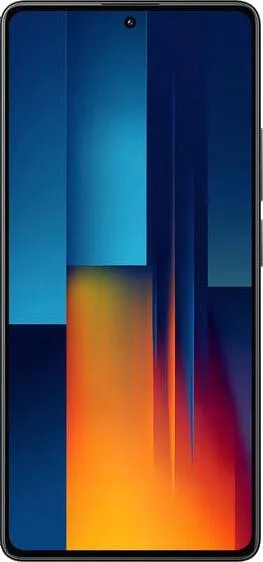
1. Specifications Comparison
| Feature | Samsung Galaxy A14 | Xiaomi Poco M6 Pro | Practical Impact |
|---|---|---|---|
| Design | |||
| Dimensions (mm) | 167.7 x 78 x 9.1 | 161.1 x 75 x 8 | Poco M6 Pro is noticeably smaller and thinner, making it more pocketable and comfortable to hold. |
| Weight (g) | 201 | 179 | The Poco M6 Pro is lighter, reducing hand fatigue during extended use. |
| Build Material | Not specified | Not specified | Cannot compare build quality and durability without material information. |
| Display | |||
| Display Type | PLS LCD | AMOLED | AMOLED offers significantly better contrast, deeper blacks, and potentially brighter colors, resulting in a more vibrant viewing experience. |
| Display Size (inches) | 6.6 | 6.67 | Negligible difference in screen real estate. |
| Resolution | 1080 x 2408 | 1080 x 2400 | Virtually identical resolution; sharpness will be similar on both. |
| Refresh Rate | Not specified | 120Hz | The 120Hz refresh rate on the Poco M6 Pro will deliver smoother scrolling, animations, and gaming compared to the A14's unspecified refresh rate (likely 60Hz). |
| Peak Brightness | Not specified | 1300 nits | Poco M6 Pro's higher peak brightness ensures better visibility in direct sunlight. |
| Performance | |||
| Chipset | Mediatek Helio G80 | Mediatek Helio G99 Ultra | The Helio G99 is a more powerful and efficient chip, leading to faster app loading, smoother multitasking, and better gaming performance on the Poco M6 Pro. |
| CPU | Octa-core (2x2.0 GHz Cortex-A75 & 6x1.8 GHz Cortex-A55) | Octa-core (2x2.2 GHz Cortex-A76 & 6x2.0 GHz Cortex-A55) | The Poco M6 Pro has faster and more modern CPU cores, resulting in a noticeable performance advantage. |
| GPU | Mali-G52 MC2 | Mali-G57 MC2 | Poco M6 Pro's GPU is more powerful, delivering improved gaming and graphics performance. |
| RAM | 4GB/6GB | 8GB/12GB | More RAM in the Poco M6 Pro allows for better multitasking and smoother performance with multiple apps open. |
| Camera | |||
| Main Camera | 50MP (f/1.8) | 64MP (f/1.79) | The Poco M6 Pro's main camera boasts a higher resolution and a wider aperture, potentially capturing more detail and better low-light photos. |
| Front Camera | 13MP (f/2.0) | 16MP | Poco M6 Pro offers a slightly higher resolution front camera for selfies. |
| Video Recording | 1080p@30fps | 1080p@30/60fps | Poco M6 Pro offers more video recording options, including 60fps for smoother footage. |
| Battery | |||
| Capacity | 5000mAh | 5000mAh | Identical battery capacity suggests similar battery life, but real-world usage will depend on other factors like display and processor efficiency. |
| Fast Charging | 15W | 67W | Significantly faster charging on the Poco M6 Pro, minimizing downtime. |
2. Key Differences Analysis
Samsung Galaxy A14 Advantages:
- Potentially Lower Price: Depending on the specific configuration, the A14 may be more affordable.
Xiaomi Poco M6 Pro Advantages:
- Superior Performance: Significantly faster processor and GPU, along with more RAM.
- Better Display: AMOLED screen with a 120Hz refresh rate offers a far superior visual experience.
- Faster Charging: 67W fast charging dramatically reduces charging time.
- Improved Camera: Higher resolution main camera and more video recording options.
- More Modern Design: Smaller, thinner, and lighter build.
3. User Profiles & Recommendations
Samsung Galaxy A14: Budget-conscious users who prioritize basic functionality for tasks like calling, texting, web browsing, and social media. Not recommended for demanding tasks like gaming or heavy multitasking.
Xiaomi Poco M6 Pro: Users who value performance, a smooth and vibrant display, fast charging, and a capable camera. Suitable for gaming, multitasking, media consumption, and content creation.
4. Decision Framework
Key Questions for Buyers:
- What is your budget? The A14 is likely cheaper.
- What are your primary use cases? The Poco M6 Pro is better for demanding tasks.
- How important is display quality and smoothness? The Poco M6 Pro's AMOLED display with 120Hz is a significant advantage.
My Choice: Xiaomi Poco M6 Pro
The Poco M6 Pro offers a significant upgrade in performance, display, and charging speed for a relatively small price difference. The superior AMOLED display with a 120Hz refresh rate alone makes a huge difference in the overall user experience. While specific pricing needs to be considered, the Poco M6 Pro's advantages across multiple categories make it the clear winner for most users. The faster processor, ample RAM, and improved camera further solidify its position as a more compelling device. The A14 only makes sense for extremely budget-constrained buyers who prioritize basic functionality above all else.
