1. Specifications Comparison
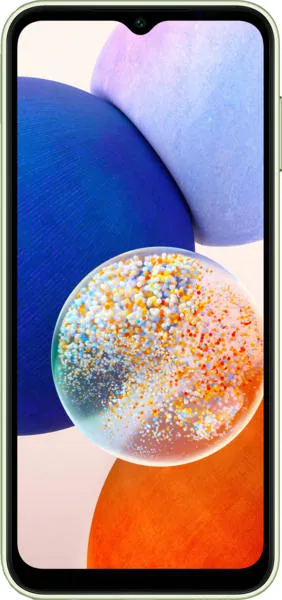
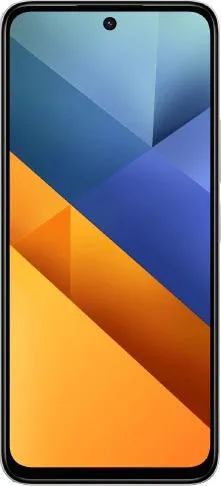
| Feature | Samsung Galaxy A14 | Xiaomi Poco M6 4G | Practical Impact |
|---|---|---|---|
| Design | |||
| Dimensions (mm) | 167.7 x 78 x 9.1 | 168.6 x 76.3 x 8.3 | Poco M6 is slightly thinner. Negligible difference in overall size. |
| Weight (g) | 201 | 205 | Virtually identical weight; no noticeable difference in hand. |
| Build | Unspecified | Unspecified | Build quality cannot be compared due to lack of information. |
| Display | |||
| Display Size | 6.6" | 6.79" | Poco M6 offers a slightly larger screen for more immersive content consumption. |
| Resolution | 1080 x 2408 | 1080 x 2460 | Both have similar sharpness; Poco M6's slightly taller aspect ratio may be preferable for some. |
| Display Type | PLS LCD | IPS LCD | Both are LCD panels; PLS LCD generally offers slightly better color reproduction than standard IPS, but individual panel quality can vary. |
| Refresh Rate | Unspecified | 90Hz | Poco M6's 90Hz refresh rate provides smoother scrolling and animations compared to the A14's unspecified (likely 60Hz) rate. |
| Performance | |||
| Chipset | Mediatek Helio G80 | Mediatek Helio G91 | Helio G91 offers noticeably better performance for demanding tasks and gaming. |
| CPU | Octa-core (2x2.0 GHz A75 & 6x1.8 GHz A55) | Octa-core (2x2.0 GHz A75 & 6x1.8 GHz A55) | Similar CPU core configuration, but the G91 is clocked slightly higher resulting in a performance advantage. |
| GPU | Mali-G52 MC2 | Mali-G52 MC2 | Same GPU, but potential performance difference due to chipset optimizations in the Poco M6. |
| RAM | 4GB | 8GB | Poco M6's 8GB RAM enables significantly better multitasking and app switching. |
| Camera | |||
| Main Camera | 50MP | 108MP | Poco M6's 108MP sensor offers potentially higher resolution and detail, especially in good lighting. However, megapixel count isn't everything; image processing matters significantly. |
| Front Camera | 13MP | 13MP | Similar front camera resolution. |
| Video Recording | 1080p@30fps | 1080p@30fps | Both record video at the same resolution and frame rate. |
| Battery | |||
| Capacity | 5000 mAh | 5030 mAh | Negligible difference in battery capacity. |
| Fast Charging | 15W | 33W | Poco M6 charges significantly faster. |
2. Key Differences Analysis
Samsung Galaxy A14 Advantages:
- Potentially slightly better color reproduction with PLS LCD (depending on the specific panel).
Xiaomi Poco M6 4G Advantages:
- Larger, higher refresh rate display (90Hz).
- Significantly more powerful processor (Helio G91).
- Double the RAM (8GB).
- Higher resolution main camera (108MP).
- Much faster charging (33W).
- Lower price range.
3. User Profiles & Recommendations
Samsung Galaxy A14: Budget-conscious users who prioritize basic smartphone functionality and don't engage in demanding tasks or gaming.
Xiaomi Poco M6 4G: Users who want a smooth and responsive experience for gaming, multitasking, and media consumption without breaking the bank. The larger display and faster charging are also beneficial for heavy users.
4. Decision Framework
Key Questions for Buyers:
- What's your budget? The Poco M6 offers significantly better value for its lower price.
- What are your primary use cases? For basic tasks like calling, texting, and social media browsing, the A14 suffices. For demanding tasks and gaming, the Poco M6 is significantly better.
- How important is display quality and smoothness? The Poco M6's larger, 90Hz display provides a noticeably superior visual experience.
My Choice: Xiaomi Poco M6 4G
The Poco M6 4G is the clear winner for me. While the A14 is a decent budget option, the Poco M6 offers significant advantages in performance, display, and charging speed for a lower price. The 8GB RAM ensures smooth multitasking, the 90Hz display provides a fluid user experience, and the 33W fast charging is a major convenience. The potentially higher resolution camera in the Poco M6 is also attractive, although real-world image quality needs further investigation. The A14 offers little beyond being a very basic smartphone, and even then, the Poco M6 provides better value. The slightly larger screen size of the Poco M6 is also a bonus for media consumption.
