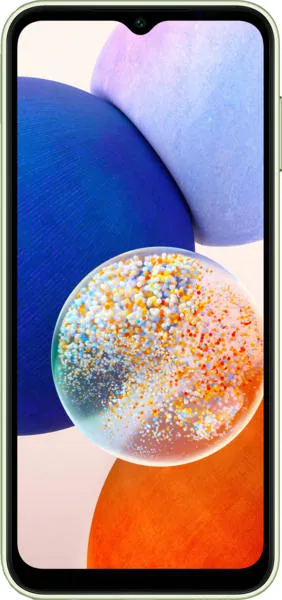
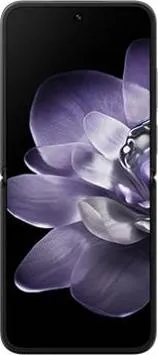
1. Specifications Comparison
| Feature | Samsung Galaxy A14 | Xiaomi Mix Flip | Practical Impact |
|---|---|---|---|
| Design | |||
| Dimensions (mm) | 167.7 x 78 x 9.1 | 167.5 x 74 x 7.6 | Mix Flip is slightly narrower and significantly thinner due to its foldable design. A14 is thicker but potentially more durable when unfolded. |
| Weight (g) | 201 | 190 | Negligible weight difference in practical use. |
| Foldable | No | Yes | Mix Flip's foldable design offers portability and a unique form factor. A14 is a traditional slab phone. |
| Display | |||
| Size (inches) | 6.6 | 6.86 | Mix Flip offers a larger screen real estate for media consumption and multitasking. |
| Resolution (px) | 1080 x 2408 | 1224 x 2912 | Mix Flip has a significantly sharper display with higher pixel density, resulting in crisper images and text. |
| Type | PLS LCD | Foldable LTPO AMOLED | Mix Flip's AMOLED offers superior contrast, deeper blacks, and vibrant colors. LTPO enables dynamic refresh rate adjustment for power saving. A14's LCD is less power-efficient and has less vibrant colors. |
| Refresh Rate (Hz) | Not specified | 120 | Mix Flip's 120Hz refresh rate provides smoother animations and scrolling compared to A14's unspecified refresh rate (likely 60Hz). |
| Peak Brightness (nits) | Not specified | 3000 | Mix Flip's higher peak brightness ensures better visibility in direct sunlight. |
| Performance | |||
| Chipset | Mediatek Helio G80 (12 nm) | Qualcomm Snapdragon 8 Gen 3 (4 nm) | Mix Flip boasts a significantly more powerful and efficient processor, enabling smoother performance in demanding tasks and gaming. |
| CPU | Octa-core (2x2.0 GHz Cortex-A75 & 6x1.8 GHz Cortex-A55) | Octa-core (1x3.3 GHz Cortex-X4 & 3x3.2 GHz Cortex-A720 & 2x3.0 GHz Cortex-A720 & 2x2.3 GHz Cortex-A520) | Mix Flip's CPU offers significantly higher clock speeds and a more modern architecture, translating to much faster processing. |
| GPU | Mali-G52 MC2 | Adreno 750 | Mix Flip's GPU is considerably more powerful, delivering a superior gaming and graphics rendering experience. |
| RAM (GB) | 4 | 12 | Mix Flip's larger RAM allows for smoother multitasking and handling of demanding applications without performance slowdowns. |
| Camera | |||
| Main Camera (MP) | 50 | 50 +60(Telephoto) | Both have comparable main camera resolution, but Mix Flip also has a dedicated telephoto lens for optical zoom. |
| Video Recording | 1080p@30fps | Up to 8K@24fps | Mix Flip offers significantly higher video resolution and frame rate options, enabling professional-grade video recording. |
| Battery | |||
| Capacity (mAh) | 5000 | 4780 | While A14 has a slightly larger battery capacity, Mix Flip's more efficient processor and LTPO display may result in comparable battery life. |
| Fast Charging | 15W | 67W | Mix Flip supports significantly faster charging, minimizing downtime. |
2. Key Differences Analysis
Xiaomi Mix Flip Advantages:
- Significantly more powerful: Snapdragon 8 Gen 3, 12GB RAM, and Adreno 750 GPU offer a vastly superior performance for demanding tasks and gaming.
- Higher quality display: Foldable LTPO AMOLED with 120Hz refresh rate, higher resolution, and brighter display provides a premium visual experience.
- More versatile camera system: Telephoto lens and 8K video recording capabilities enhance photographic and videographic potential.
- Faster charging: 67W fast charging significantly reduces charging time.
- Innovative foldable design: Offers portability and a unique user experience.
Samsung Galaxy A14 Advantages:
- Potentially longer battery life: Slightly larger battery capacity and less demanding hardware might result in extended usage time.
- Lower price: Significantly more affordable than the Mix Flip.
- Potentially more durable: Traditional slab design may offer better durability compared to a foldable phone.
Trade-offs:
- Mix Flip: Higher price, potential durability concerns associated with foldable displays.
- A14: Lower performance, less impressive display, basic camera features.
3. User Profiles & Recommendations
Samsung Galaxy A14: Budget-conscious users who prioritize basic functionality: calling, texting, web browsing, and light social media usage.
Xiaomi Mix Flip: Tech enthusiasts, content creators, and users who demand top-tier performance, a premium display, advanced camera features, and a unique foldable design. Value cutting-edge technology and are willing to pay a premium.
4. Decision Framework
Key Questions for Buyers:
- What is your budget? The A14 is a budget-friendly option, while the Mix Flip is a premium flagship device.
- What are your performance needs? For demanding tasks and gaming, the Mix Flip is far superior. For basic usage, the A14 is sufficient.
- Do you value a foldable design? The Mix Flip's foldable design offers portability and a unique form factor, while the A14 is a traditional slab phone.
Scenario-Based Recommendations:
- Limited budget, basic usage: Samsung Galaxy A14
- Demanding user, values latest technology: Xiaomi Mix Flip
- Prioritizes portability and unique design: Xiaomi Mix Flip
- Seeks best value for money: Samsung Galaxy A14 (depending on individual needs)
My Choice: Xiaomi Mix Flip
While significantly more expensive, the Xiaomi Mix Flip offers a compelling package of cutting-edge technology, a stunning display, powerful performance, and a unique foldable design. The Snapdragon 8 Gen 3, coupled with 12GB of RAM, ensures a future-proof device capable of handling anything thrown at it. The brilliant AMOLED display with a 120Hz refresh rate provides a vastly superior visual experience. Although the foldable design introduces potential durability concerns, the innovative form factor and significant performance advantages outweigh the price premium for me. I prioritize a smooth user experience, high-quality visuals, and the latest technology, making the Mix Flip the clear winner. The A14 serves its purpose as a budget device, but it lacks the premium features and performance I desire.
