1. Specifications Comparison
| Feature | Samsung Galaxy A14 | Xiaomi 14T Pro | Practical Impact |
|---|---|---|---|
| Design | |||
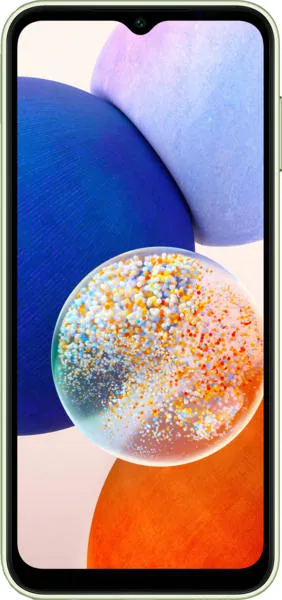
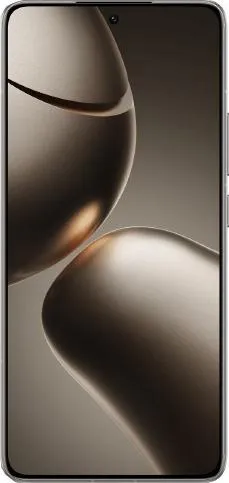
| Dimensions (mm) | 167.7 x 78 x 9.1 | 160.4 x 75.1 x 8.4 | The Xiaomi 14T Pro is noticeably smaller and thinner, making it potentially more pocketable and comfortable to hold. |
| Weight (g) | 201 | 209 | The weight difference is negligible in real-world usage. |
| Build Material | Not specified | Not specified | Cannot compare build quality and durability without this information. |
| Display | |||
| Display Type | PLS LCD | AMOLED | AMOLED offers significantly better contrast, deeper blacks, and more vibrant colors compared to LCD. The Xiaomi's display will be much more visually appealing. |
| Display Size (inches) | 6.6 | 6.67 | Negligible difference in screen real estate. |
| Resolution | 1080 x 2408 | 1220 x 2712 | The Xiaomi 14T Pro boasts a sharper display with higher pixel density, resulting in clearer text and images. |
| Refresh Rate | Not specified | 144Hz | A higher refresh rate like 144Hz on the Xiaomi provides a smoother and more responsive user experience, especially noticeable in gaming and scrolling. |
| HDR | No | Dolby Vision, HDR10+ | The Xiaomi 14T Pro supports HDR standards, resulting in a wider dynamic range and more realistic visuals in compatible content. |
| Peak Brightness | Not specified | 4000 nits | Higher peak brightness ensures better visibility in direct sunlight for the Xiaomi. |
| Performance | |||
| Chipset | Mediatek Helio G80 (12nm) | Mediatek Dimensity 9300+ (4nm) | The Dimensity 9300+ is significantly more powerful and efficient due to its smaller manufacturing process. Expect much faster performance and better battery life from the Xiaomi. |
| CPU | Octa-core (2x2.0 GHz Cortex-A75 & 6x1.8 GHz Cortex-A55) | Octa-core (1x3.4 GHz Cortex-X4 & 3x2.85 GHz Cortex-X4 & 4x2.0 GHz Cortex-A720) | The Xiaomi 14T Pro's CPU offers superior performance with faster clock speeds and a more modern architecture. |
| GPU | Mali-G52 MC2 | Immortalis-G720 MC12 | The Immortalis-G720 is a much more powerful GPU, enabling significantly better gaming performance and smoother graphics rendering on the Xiaomi. |
| RAM | 4GB | 12GB | More RAM enables smoother multitasking and better performance with demanding applications. The Xiaomi will handle heavy workloads much better. |
| Camera | |||
| Main Camera | 50MP | 50MP (Omnivision OVX9000) | While both have 50MP sensors, the specific sensor model in the Xiaomi suggests potentially better image quality, especially considering the larger sensor size and wider aperture (f/1.6 vs. f/1.8). |
| Video Recording | 1080p@30fps | Up to 8K@30fps | The Xiaomi offers substantially better video recording capabilities with much higher resolution and frame rate options. |
| Battery | |||
| Capacity | 5000 mAh | 5000 mAh | Similar battery capacity suggests comparable battery life, however, real-world usage will depend on the efficiency of the respective processors. |
| Fast Charging | 15W | 120W | The Xiaomi's 120W fast charging will dramatically reduce charging times compared to the Galaxy A14's 15W. |
2. Key Differences Analysis
Xiaomi 14T Pro Advantages:
- Significantly better performance: The Dimensity 9300+ chipset, superior CPU/GPU, and ample RAM offer a much smoother and faster experience.
- Superior display: The AMOLED display with 144Hz refresh rate, HDR support, and high brightness delivers a dramatically better visual experience.
- Faster charging: 120W fast charging provides unmatched charging speeds.
- Enhanced camera capabilities: Higher resolution video recording, potentially better image quality due to the main sensor and lens specifications. Wider range of shooting modes.
Samsung Galaxy A14 Advantages:
- Potentially lower price: Given its older release date and lower specifications, the A14 is likely more affordable.
3. User Profiles & Recommendations
Xiaomi 14T Pro: Users who prioritize performance, a premium display, fast charging, and advanced camera features. Ideal for demanding tasks like gaming, content creation, and media consumption.
Samsung Galaxy A14: Budget-conscious users who primarily use their phone for basic tasks like calling, texting, web browsing, and social media.
4. Decision Framework
Key Questions for Buyers:
- What is your budget? The price difference between these phones is likely significant.
- What are your primary phone usage patterns? For basic tasks, the A14 might suffice. For demanding tasks, the 14T Pro is a better choice.
- Which features are most important to you? Prioritize features like display quality, performance, camera, or battery life based on your needs.
My Choice: Xiaomi 14T Pro
The Xiaomi 14T Pro is the clear winner for me. While potentially more expensive, the significantly superior performance, stunning display, incredibly fast charging, and enhanced camera capabilities make it a much more compelling device. The difference in user experience would be substantial. Even if the price is considerably higher, the value proposition of the 14T Pro, considering its cutting-edge technology and feature set, significantly outweighs the budget-friendly appeal of the Galaxy A14. I value a smooth and responsive user experience, a high-quality display for media consumption, and fast charging for convenience – all areas where the 14T Pro excels.
