1. Specifications Comparison
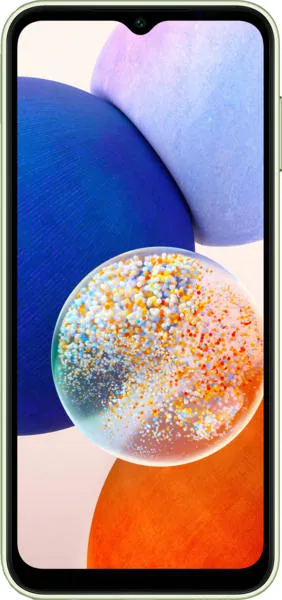
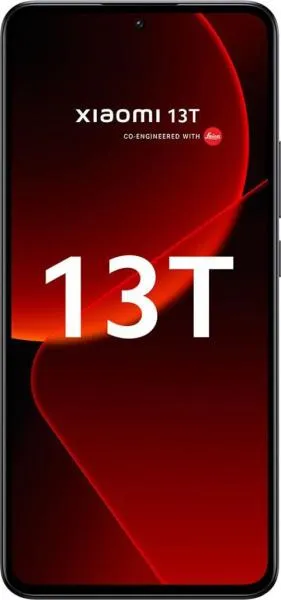
| Feature | Samsung Galaxy A14 | Xiaomi 13T | Practical Impact |
|---|---|---|---|
| Design | |||
| Dimensions (mm) | 167.7 x 78 x 9.1 | 162.2 x 75.7 x 8.5 | Xiaomi 13T is slightly smaller and thinner, making it potentially more pocketable. |
| Weight (g) | 201 | 193 | Xiaomi 13T is slightly lighter, enhancing one-handed usability. |
| Build Material | Not specified | Not specified | Cannot compare build quality and durability without material information. |
| Display | |||
| Display Type | PLS LCD | AMOLED | Xiaomi 13T's AMOLED offers superior contrast, deeper blacks, and potentially better power efficiency. |
| Display Size (inches) | 6.6 | 6.67 | Negligible difference in screen real estate. |
| Resolution (px) | 1080 x 2408 | 1220 x 2712 | Xiaomi 13T boasts a sharper display with higher pixel density (446 ppi vs 400 ppi), resulting in crisper text and images. |
| Refresh Rate (Hz) | Not specified | 144 | Xiaomi 13T's 144Hz refresh rate delivers significantly smoother animations and scrolling compared to the A14's unspecified refresh rate (likely 60Hz). This is a major advantage for gaming and general UI responsiveness. |
| HDR | No | Dolby Vision, HDR10+ | Xiaomi 13T supports HDR standards for a wider dynamic range and more vibrant colors when viewing compatible content. |
| Performance | |||
| Chipset | Mediatek Helio G80 (12nm) | Mediatek Dimensity 8200 Ultra (4nm) | Xiaomi 13T's 4nm Dimensity 8200 Ultra is significantly more powerful and power-efficient than the A14's 12nm Helio G80. This translates to much faster performance in demanding tasks and games. |
| CPU | Octa-core (2x2.0 GHz Cortex-A75 & 6x1.8 GHz Cortex-A55) | Octa-core (1x3.1 GHz Cortex-A78 & 3x3.0 GHz Cortex-A78 & 4x2.0 GHz Cortex-A55) | Xiaomi 13T's CPU architecture is newer and faster, resulting in significantly improved performance and responsiveness. |
| RAM | 4GB | 12GB | Xiaomi 13T's 12GB RAM allows for significantly more apps to run in the background without performance degradation, enabling smoother multitasking. |
| Camera | |||
| Main Camera (MP) | 50 | 50 | While both have 50MP sensors, the Xiaomi 13T utilizes a superior Sony IMX707 sensor with a larger sensor size (1/1.28") and larger pixel size, enabling better low-light performance and dynamic range. |
| Other Cameras | Macro, Depth, Selfie | Telephoto, Wide Angle, Selfie | Xiaomi 13T offers more versatile camera options with a dedicated telephoto lens for optical zoom and a wide-angle lens for broader perspectives. |
| Video Recording | 1080p@30fps | 4K@30fps with HDR, up to 960fps slow-motion | Xiaomi 13T offers significantly better video recording capabilities with higher resolution, HDR support, and significantly higher frame rate slow-motion. |
| Battery | |||
| Capacity (mAh) | 5000 | 5000 | Similar battery capacity, but real-world battery life will depend on the more efficient chip in the Xiaomi 13T. |
| Fast Charging | 15W | 120W | Xiaomi 13T's 120W fast charging drastically reduces charging times compared to the A14's 15W. |
2. Key Differences Analysis
Xiaomi 13T Advantages:
- Significantly faster and more efficient processor: Leading to a smoother overall user experience, better gaming performance, and potentially longer battery life.
- Superior display: AMOLED technology, higher resolution, 144Hz refresh rate, and HDR support deliver a dramatically better visual experience.
- More versatile and capable camera system: Including a telephoto lens and higher quality sensors for improved image and video quality.
- Much faster charging: 120W fast charging allows for incredibly quick top-ups.
- More RAM: Enabling smoother multitasking and better performance with demanding applications.
Samsung Galaxy A14 Advantages:
- Potentially lower price: While exact prices weren't compared, A-series phones are generally more budget-friendly.
3. User Profiles & Recommendations
Xiaomi 13T: Ideal for users who prioritize performance, a high-quality display, a versatile camera system, and fast charging. Suitable for gamers, power users, content creators, and those who consume a lot of media.
Samsung Galaxy A14: Best suited for budget-conscious users who prioritize basic functionality over high-end features. Suitable for light users primarily focused on calling, texting, web browsing, and social media.
4. Decision Framework
Key Questions for Buyers:
- What is your budget? The Xiaomi 13T is significantly more expensive.
- What are your primary smartphone usage patterns? For demanding tasks, the 13T is far superior. For basic usage, the A14 might suffice.
- Which features are most important to you? Prioritize display quality, performance, camera, or battery life based on your needs.
My Choice: Xiaomi 13T
The Xiaomi 13T is the clear winner for me. While potentially more expensive, the significant performance gains, superior display, versatile camera system, and incredibly fast charging make it a far more compelling device. The 144Hz refresh rate alone dramatically improves the day-to-day user experience. The A14 only makes sense for extremely budget-conscious buyers who are willing to sacrifice significantly on performance and features.
