1. Specifications Comparison
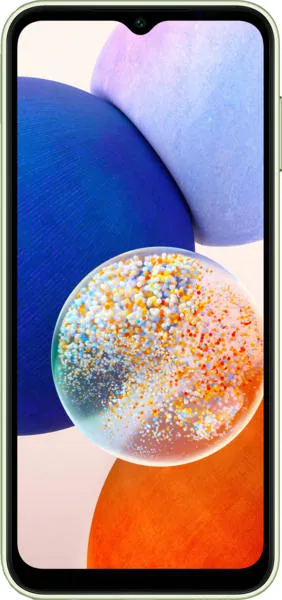
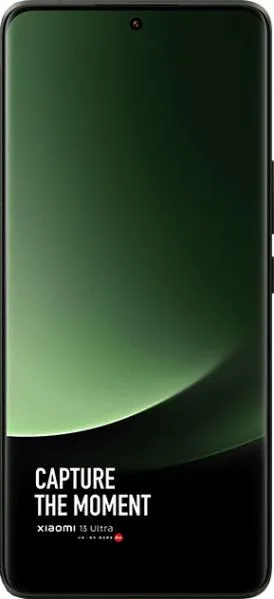
| Feature | Samsung Galaxy A14 | Xiaomi 13 Ultra | Practical Impact |
|---|---|---|---|
| Design | |||
| Dimensions (mm) | 167.7 x 78 x 9.1 | 163.2 x 74.6 x 9.1 | Xiaomi 13 Ultra is slightly smaller and potentially more pocketable despite being heavier. |
| Weight (g) | 201 | 227 | A14 is significantly lighter, reducing hand fatigue during extended use. |
| Build | Material information missing for both, limiting comparison. | ||
| Display | |||
| Size (inches) | 6.6 | 6.73 | Negligible difference in screen real estate. |
| Resolution | 1080 x 2408 | 1440 x 3200 | 13 Ultra offers much sharper visuals, especially noticeable in media consumption and gaming. |
| Type | PLS LCD | LTPO AMOLED | 13 Ultra's AMOLED provides superior contrast, deeper blacks, and potentially better power efficiency due to LTPO. |
| Refresh Rate | Not specified | 120Hz | 13 Ultra's 120Hz offers smoother scrolling and animations, improving overall responsiveness. Missing A14 refresh rate limits comparison. |
| Peak Brightness | Not specified | 2600 nits | 13 Ultra should offer significantly better outdoor visibility. Missing A14 peak brightness limits comparison. |
| Performance | |||
| Chipset | Mediatek Helio G80 | Qualcomm Snapdragon 8 Gen 2 | 13 Ultra boasts significantly faster processing power, enabling seamless multitasking and demanding gaming. |
| CPU | Octa-core (2x2.0 GHz Cortex-A75 & 6x1.8 GHz Cortex-A55) | Octa-core (1x3.2 GHz Cortex-X3 & 2x2.8 GHz Cortex-A715 & 2x2.8 GHz Cortex-A710 & 3x2.0 GHz Cortex-A510) | 13 Ultra's CPU architecture is far superior, translating to vastly improved performance in all tasks. |
| RAM | 4GB/6GB | 12GB/16GB | 13 Ultra offers much larger RAM, enabling smoother multitasking and preventing app closures in the background. |
| Camera | |||
| Main Camera | 50MP | 50MP (1-inch sensor) | While both have 50MP, 13 Ultra's larger 1-inch sensor allows for significantly better low-light performance and depth of field. |
| Lenses | Triple | Quad (Leica) | 13 Ultra offers a versatile quad-camera system with Leica lenses, enabling superior zoom and image quality. |
| Video | 1080p@30fps | 8K@24fps | 13 Ultra allows for significantly higher resolution video recording. |
| Battery | |||
| Capacity | 5000 mAh | 5000 mAh | Similar battery capacity, but real-world battery life will depend on software optimization and display efficiency. |
| Charging | 15W Fast Charging | 90W Fast Charging, 50W Wireless Charging | 13 Ultra offers dramatically faster wired charging and convenient wireless charging. |
2. Key Differences Analysis
Xiaomi 13 Ultra Advantages:
- Superior Performance: Snapdragon 8 Gen 2 and ample RAM provide a flagship-level experience.
- Stunning Display: High-resolution AMOLED with 120Hz offers vibrant colors and smooth visuals.
- Advanced Camera System: Leica-tuned quad camera with a 1-inch sensor excels in various shooting conditions.
- Faster Charging: 90W wired and 50W wireless charging offer unparalleled convenience.
Samsung Galaxy A14 Advantages:
- Lighter Weight: More comfortable for extended use.
- Lower Price: Significantly more affordable.
3. User Profiles & Recommendations
Xiaomi 13 Ultra: Ideal for power users, photographers, videographers, and gamers who demand top-tier performance and features. Excellent for:
- Demanding mobile gaming
- Professional photography and videography
- Multitasking and productivity
- Content consumption on a high-quality display
Samsung Galaxy A14: Suitable for budget-conscious users who prioritize basic functionality and affordability. Excellent for:
- Casual social media browsing
- Light gaming
- Making calls and texting
- General everyday use without demanding tasks
4. Decision Framework
Key Questions for Buyers:
- What is your budget? The price difference is significant.
- What are your primary smartphone usage patterns? Do you require high performance or just basic functionality?
- Which features are most important to you? Camera, display, battery life, performance?
My Choice: Xiaomi 13 Ultra
While the Samsung Galaxy A14 offers good value for its price, the Xiaomi 13 Ultra is the clear winner for me. Its superior performance, stunning display, and advanced camera system justify the higher price. The 90W fast charging is a huge convenience. As someone who values a smooth and responsive user experience, high-quality visuals, and the ability to capture excellent photos and videos, the 13 Ultra aligns perfectly with my needs. The significantly improved performance and features would dramatically enhance my daily workflow and entertainment experiences. While the price is high, the value proposition in terms of performance and features is undeniable.
