
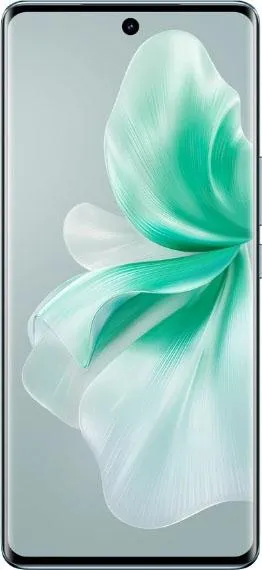
1. Specifications Comparison
| Feature | Samsung Galaxy A14 | vivo V30 | Practical Impact |
|---|---|---|---|
| Design | |||
| Dimensions (mm) | 167.7 x 78 x 9.1 | 164.4 x 75.1 x 7.5 | The vivo V30 is slightly smaller and noticeably thinner, making it more pocketable and comfortable to hold. |
| Weight (g) | 201 | 186 | The vivo V30 is lighter, further enhancing one-handed usability. |
| Display | |||
| Display Type | PLS LCD | AMOLED | The vivo V30's AMOLED display offers significantly better contrast, deeper blacks, and more vibrant colors. |
| Display Size (inches) | 6.6 | 6.78 | The vivo V30 has a slightly larger display, providing a more immersive viewing experience. |
| Resolution (px) | 1080 x 2408 | 1260 x 2800 | The vivo V30 boasts a higher resolution, resulting in sharper text and images. |
| Refresh Rate (Hz) | Not specified | 120 | The 120Hz refresh rate on the vivo V30 delivers smoother scrolling and animations, leading to a more fluid user experience. The lack of information for the A14 prevents direct comparison but suggests a standard 60Hz likely. |
| Peak Brightness (nits) | Not specified | 2800 | The vivo V30's significantly higher peak brightness ensures better visibility in direct sunlight. The missing A14 data prevents a quantifiable comparison. |
| Performance | |||
| Chipset | Mediatek Helio G80 (12nm) | Qualcomm Snapdragon 7 Gen 3 (4nm) | The Snapdragon 7 Gen 3 in the vivo V30 is considerably more powerful and efficient, enabling smoother multitasking, better gaming performance, and improved battery life. |
| CPU | Octa-core (2x2.0 GHz Cortex-A75 & 6x1.8 GHz Cortex-A55) | Octa-core (1x2.63 GHz Cortex-A715 & 3x2.4 GHz Cortex-A715 & 4x1.8 GHz Cortex-A510) | The vivo V30's CPU architecture is more modern and powerful, leading to noticeable performance gains in demanding tasks. |
| RAM (GB) | 4 | 8 | The vivo V30 having double the RAM allows for more apps to run in the background without impacting performance. |
| Camera | |||
| Main Camera (MP) | 50 | 50 | While both have 50MP main sensors, the vivo V30 utilizes a larger sensor (1/1.55") compared to the unspecified size of the A14's sensor, potentially capturing more light and detail. |
| Front Camera (MP) | 13 | 50 | The vivo V30 has a significantly higher resolution front camera, resulting in much better selfie quality. |
| Video Recording | 1080p@30fps | 4K@30fps with EIS | The vivo V30 can record video at a higher resolution (4K) and features Electronic Image Stabilization (EIS) for smoother footage. |
| Battery | |||
| Capacity (mAh) | 5000 | 5000 | Both phones have the same battery capacity. |
| Fast Charging (W) | 15 | 80 | The vivo V30 supports significantly faster charging, drastically reducing charging time. |
2. Key Differences Analysis
vivo V30 Advantages:
- Superior Display: AMOLED with higher resolution, refresh rate, and brightness.
- Significantly Faster Performance: More powerful and efficient chipset, more RAM.
- Better Camera System: Higher resolution front camera, 4K video recording with EIS, larger main sensor.
- Faster Charging: 80W fast charging.
Samsung Galaxy A14 Advantages:
- Potentially Lower Price: Given its older hardware and simpler features, it likely comes at a lower price point, although specific prices weren't provided for comparison.
3. User Profiles & Recommendations
vivo V30: Ideal for users who prioritize performance, a high-quality display, a good camera, and fast charging. Suitable for demanding tasks like gaming, content creation, and media consumption.
Samsung Galaxy A14: Best suited for budget-conscious users who primarily use their phone for basic tasks like calling, texting, web browsing, and social media. Good for users who prioritize affordability over top-tier specs.
4. Decision Framework
Key Questions for Buyers:
- What is your budget? The vivo V30 is likely significantly more expensive.
- What are your primary phone usage patterns? For basic use, the A14 might suffice. For demanding tasks, the V30 is a better choice.
- Which features are most important to you? Prioritize display quality, performance, camera, or battery life based on individual needs.
My Choice: vivo V30
While lacking specific pricing information, the vivo V30 is the clear winner in terms of performance, display, camera, and charging speed. The significantly upgraded processor, beautiful AMOLED display with 120Hz, and vastly superior fast charging make it a much more compelling device for a modern smartphone user. Even if the price is considerably higher, the long-term value proposition of the V30, with its future-proofed performance and features, outweighs the potential cost savings of the A14, which offers a more basic and dated experience. The A14 serves a purpose for budget-conscious buyers, but the V30 offers a substantial leap in user experience.
