1. Specifications Comparison
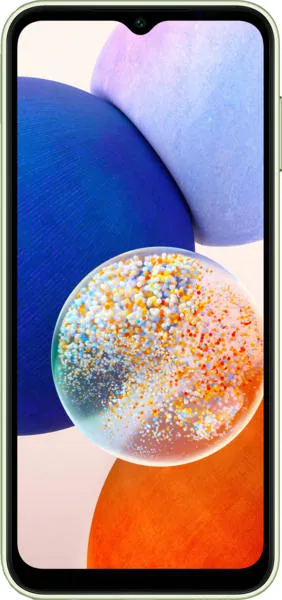
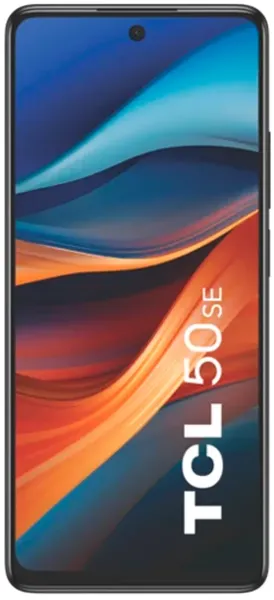
| Feature | Samsung Galaxy A14 | TCL 50 SE | Practical Impact |
|---|---|---|---|
| Design | |||
| Dimensions (mm) | 167.7 x 78 x 9.1 | 168.2 x 75.5 x 8.1 | TCL 50 SE is slightly thinner. Negligible difference in overall size. |
| Weight (g) | 201 | 195 | TCL 50 SE is slightly lighter, but the difference is minimal in hand. |
| Display | |||
| Size (inches) | 6.6 | 6.78 | TCL 50 SE offers a slightly larger screen for more immersive content consumption. |
| Resolution (px) | 1080 x 2408 | 1080 x 2460 | Similar resolutions, though TCL has slightly taller aspect ratio. |
| Density (PPI) | 400 | 396 | Virtually identical pixel density, sharpness will be indistinguishable to the naked eye. |
| Type | PLS LCD | IPS LCD | Both are LCD panels, expect similar color reproduction and viewing angles. PLS LCD generally offers slight improvements in color accuracy and outdoor visibility compared to standard IPS LCD. |
| Refresh Rate (Hz) | Not specified | 90 | The 90Hz refresh rate on the TCL 50 SE will provide a smoother and more responsive user experience, especially noticeable in scrolling and gaming. |
| Performance | |||
| Chipset | Mediatek Helio G80 | Mediatek Helio G88 | Both are entry-level chipsets with minor performance differences. G88 has a slightly higher clock speed, potentially resulting in slightly improved gaming performance. |
| CPU | Octa-core (2x2.0 GHz Cortex-A75 & 6x1.8 GHz Cortex-A55) | Octa-core (2x2.0 GHz Cortex-A75 & 6x1.8 GHz Cortex-A55) | Identical CPU configurations. |
| GPU | Mali-G52 MC2 | Mali-G52 MC2 | Same GPU. Expect similar graphical performance. |
| RAM (GB) | 4 | 4/6 (depending on version) | TCL 50 SE offers a 6GB RAM option, which will provide better multitasking and overall smoother performance compared to the 4GB on the A14. |
| Camera | |||
| Rear Camera (MP) | 50 + 2 + 2 | 50 + 2 | Both have 50MP main sensors. TCL lacks a dedicated depth sensor, potentially affecting portrait mode performance. |
| Front Camera (MP) | 13 | 8 | Samsung A14 has a higher resolution front camera, potentially resulting in better selfie quality. |
| Video Recording | 1080p@30fps | 1080p@30fps | Identical video recording capabilities. |
| Battery | |||
| Capacity (mAh) | 5000 | 5010 | Negligible difference in battery capacity. |
| Fast Charging (W) | 15 | 33 | TCL 50 SE offers significantly faster charging, reducing downtime considerably. |
2. Key Differences Analysis
Samsung Galaxy A14 Advantages:
- Slightly better display quality: PLS LCD generally offers slight advantages over standard IPS LCDs.
- Higher resolution front camera: Potentially better selfies.
TCL 50 SE Advantages:
- Higher refresh rate display: Smoother and more responsive user experience.
- Faster charging: Significantly reduced charging times.
- 6GB RAM option: Improved multitasking and overall performance.
- Larger Display: Slightly more immersive media consumption.
Trade-offs:
- TCL 50 SE: Lower resolution front camera, potential compromises in portrait mode due to lack of dedicated depth sensor.
- Samsung Galaxy A14: Slower refresh rate and charging speed, limited to 4GB RAM.
3. User Profiles & Recommendations
Samsung Galaxy A14: Suitable for budget-conscious users prioritizing basic tasks like calling, texting, social media browsing, and light photography. Good for users who don't heavily multitask or play demanding games.
TCL 50 SE: Better suited for users who value a smooth and responsive user experience, enjoy mobile gaming, or need faster charging. The 6GB RAM option makes it suitable for moderate multitasking.
4. Decision Framework
Key Questions for Buyers:
- What is your budget? The TCL 50 SE is generally more expensive due to the larger storage capacity offered (256GB vs. 128GB). Compare prices for equivalent storage options if available.
- How important is a smooth and responsive display? The 90Hz refresh rate on the TCL 50 SE is a major differentiator.
- How important is fast charging? The TCL 50 SE's 33W fast charging is considerably faster than the A14's 15W.
Scenario-Based Recommendations:
- Tight budget and basic usage: Samsung Galaxy A14
- Moderate budget and value smooth display/faster charging: TCL 50 SE
- Heavy multitasker/mobile gamer: TCL 50 SE (6GB RAM version)
My Choice: TCL 50 SE
While the Samsung Galaxy A14 offers a slightly better display in some aspects and a better front-facing camera, the TCL 50 SE provides a significantly better overall user experience due to its 90Hz refresh rate and drastically faster charging. The availability of a 6GB RAM option also future-proofs the device for longer-term use. While price wasn't directly comparable due to storage differences, the benefits of the TCL 50 SE outweigh the potential price premium for my personal use. The smoother display and faster charging are significant quality-of-life improvements.
