
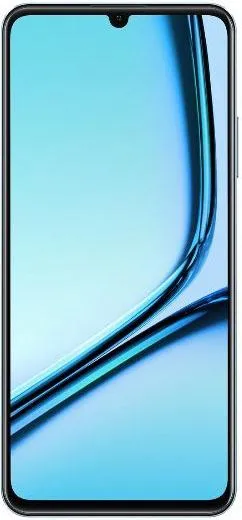
1. Specifications Comparison
| Feature | Samsung Galaxy A14 | Realme Note 50 | Practical Impact |
|---|---|---|---|
| Design | |||
| Dimensions (mm) | 167.7 x 78 x 9.1 | 167.2 x 76.7 x 8 | Realme Note 50 is slightly thinner and lighter. |
| Weight (g) | 201 | 186 | Noticeable difference in hand feel; Realme will feel less bulky. |
| Build | Not specified | Not specified | Cannot compare build quality without more information. |
| Display | |||
| Size (inches) | 6.6 | 6.74 | Realme has a slightly larger screen. |
| Resolution (px) | 1080 x 2408 | 720 x 1600 | Samsung has a significantly sharper display (400 ppi vs 260 ppi), resulting in clearer text and images. |
| Display Type | PLS LCD | IPS LCD | Both are LCD panels, but PLS LCD generally offers slightly better color accuracy and viewing angles compared to standard IPS. |
| Refresh Rate (Hz) | Not specified | 90 | Realme's 90Hz display will provide smoother scrolling and animations. A higher refresh rate on the Samsung would need to be confirmed. |
| Performance | |||
| Chipset | Mediatek Helio G80 (12 nm) | Unisoc Tiger T612 (12 nm) | Both are entry-level chipsets, performance differences likely negligible for everyday tasks. Benchmarks would be needed for detailed comparison. |
| CPU | Octa-core (2x2.0 GHz Cortex-A75 & 6x1.8 GHz Cortex-A55) | Octa-core (2x1.8 GHz Cortex-A75 & 6x1.8 GHz Cortex-A55) | Samsung has slightly faster CPU cores, potentially providing a slight edge in demanding applications. |
| GPU | Mali-G52 MC2 | Mali-G57 | Realme's Mali-G57 GPU likely offers better graphical performance. |
| RAM | 4GB | 3/4GB | 4GB RAM variant of both phones will offer similar multitasking capabilities. The 3GB RAM on the Realme could be limiting. |
| Camera | |||
| Rear Camera | 50MP Main, 2MP Macro, 2MP Depth | 13MP Main, 2MP B&W | Samsung offers a higher resolution main camera, potentially capturing more detail. Realme's B&W sensor's practical benefit is unclear. |
| Front Camera | 13MP | 5MP | Samsung has a significantly higher resolution front camera for better selfies. |
| Video Recording | 1080p@30fps | 1080p@30fps | Both offer basic video recording capabilities. |
| Battery | |||
| Capacity (mAh) | 5000 | 5000 | Similar battery capacity, expected battery life will depend more on software optimization and usage patterns. |
| Fast Charging | 15W | 10W | Samsung offers slightly faster charging. |
2. Key Differences Analysis
Samsung Galaxy A14 Advantages:
- Sharper Display: Significantly higher resolution for clearer visuals.
- Higher Resolution Cameras: Front and rear cameras capture more detail.
- Slightly Faster CPU: Potentially better performance in demanding tasks.
- Faster Charging: 15W vs 10W.
- NFC: Enables contactless payments and other NFC functionalities.
Realme Note 50 Advantages:
- Larger Display: More screen real estate for media consumption.
- Higher Refresh Rate Display: Smoother scrolling and animations (assuming Samsung is standard 60Hz).
- Potentially Better GPU: Could offer smoother gaming.
- Lighter and Thinner: More comfortable to hold and carry.
- Lower Price: Falls into a lower price bracket.
3. User Profiles & Recommendations
Samsung Galaxy A14: Users who prioritize display quality, camera performance, and NFC functionality. Suitable for:
- Photography enthusiasts: Higher resolution cameras for better photos.
- Content consumers: Sharper display for enjoying videos and images.
- Users reliant on contactless payments: NFC for mobile payments and other applications.
Realme Note 50: Budget-conscious users who prioritize a large display and smooth performance. Suitable for:
- Casual users: Basic smartphone needs with a focus on affordability.
- Media consumers on a budget: Large screen for video watching.
- Gamers on a tight budget: Potentially better GPU performance for the price point.
4. Decision Framework
Key Questions for Buyers:
- What is your budget? The Realme Note 50 is more affordable.
- Is display quality or size more important? Samsung offers sharpness, Realme offers size and refresh rate.
- Do you need NFC for contactless payments? Only the Samsung Galaxy A14 offers NFC.
My Choice: Samsung Galaxy A14
While the Realme Note 50 offers a larger display and smoother refresh rate, the Samsung Galaxy A14's significantly sharper display, better camera system, slightly faster processor, NFC functionality, and faster charging make it a more well-rounded device for my needs. I prioritize display quality and camera performance, and the A14 excels in those areas. The slightly higher price is justified by the noticeable improvements in these key areas. While the Realme is a strong contender for budget-conscious buyers, the A14 offers a better overall user experience in my opinion.
