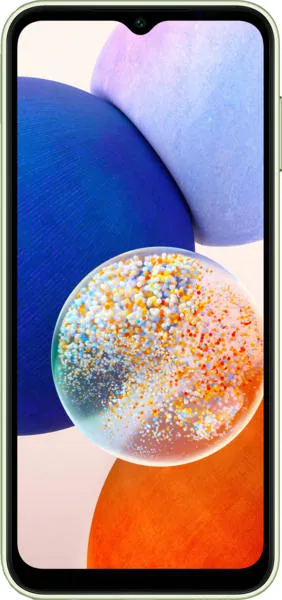
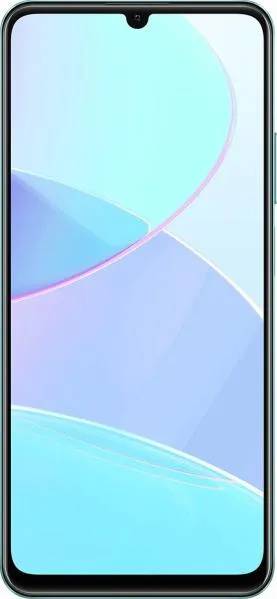
1. Specifications Comparison
| Feature | Samsung Galaxy A14 | Realme C51 | Practical Impact |
|---|---|---|---|
| Design | |||
| Dimensions (mm) | 167.7 x 78 x 9.1 | 167.2 x 76.7 x 8 | Realme C51 is slightly thinner and lighter. Negligible difference in everyday use. |
| Weight (g) | 201 | 186 | Realme C51 is slightly lighter, enhancing one-handed usage. |
| Display | |||
| Size (inches) | 6.6 | 6.74 | Realme C51 offers a slightly larger screen for more immersive content consumption. |
| Resolution | 1080 x 2408 | 720 x 1600 | Galaxy A14 has a significantly sharper display (400 ppi vs 260 ppi), resulting in clearer text and images. |
| Refresh Rate | Unspecified | 90Hz | Realme C51's 90Hz refresh rate provides smoother scrolling and animations, leading to a more fluid user experience. A14's unspecified refresh rate is likely 60Hz, which is standard but less smooth. |
| Display Type | PLS LCD | IPS LCD | Both are LCD panels with similar color reproduction. PLS LCD generally offers slightly better viewing angles. |
| Performance | |||
| Chipset | Mediatek Helio G80 | Unisoc Tiger T612 | Both are entry-level chipsets. Performance differences are minor, sufficient for basic tasks but may struggle with demanding games or multitasking. |
| CPU | Octa-core (2x2.0 GHz Cortex-A75 & 6x1.8 GHz Cortex-A55) | Octa-core (2x1.8 GHz Cortex-A75 & 6x1.8 GHz Cortex-A55) | Galaxy A14 has slightly faster cores, potentially offering a slight edge in performance, though real-world difference might be minimal. |
| GPU | Mali-G52 MC2 | Mali-G57 | Mali-G57 is generally considered a more powerful GPU than the Mali-G52 MC2; this translates to potentially better gaming performance on the Realme C51. |
| RAM | 4GB | 4GB | Both phones have the same RAM, meaning similar multitasking capabilities. |
| Camera | |||
| Main Camera | 50MP | 50MP | Megapixel count is the same, but image quality depends on sensor size and processing, which is not fully detailed. Realme C51 provides more sensor details, suggesting potentially better low-light performance due to pixel binning. |
| Front Camera | 13MP | 5MP | Galaxy A14 boasts a higher resolution front camera for potentially better selfies. |
| Battery | |||
| Capacity | 5000 mAh | 5000 mAh | Identical battery capacity, suggesting similar battery life. |
| Fast Charging | 15W | 33W | Realme C51 supports significantly faster charging, reducing downtime. |
2. Key Differences Analysis
Samsung Galaxy A14 Advantages:
- Sharper Display: Higher resolution (1080p) leads to a noticeably clearer and more detailed visual experience.
- Higher Resolution Selfie Camera: Better for video calls and self-portraits.
- Potentially Slightly Faster CPU: Might offer a slight edge in day-to-day tasks.
Realme C51 Advantages:
- Smoother Display: 90Hz refresh rate provides a more fluid and responsive user experience.
- Faster Charging: 33W fast charging significantly reduces charging time.
- Lighter and Thinner: More comfortable for one-handed use and pocket portability.
- Potentially Better GPU: Could result in smoother gaming performance.
Trade-offs:
- Realme C51: Lower resolution display sacrifices sharpness for a faster refresh rate.
- Samsung Galaxy A14: Slower charging speeds increase downtime. Unspecified refresh rate likely means a standard 60Hz display.
3. User Profiles & Recommendations
Samsung Galaxy A14: Users who prioritize display clarity and sharpness for media consumption, web browsing, and reading. Suitable for casual users who don't heavily multitask or play demanding games.
Realme C51: Users who value a smooth and responsive user experience, especially for gaming and social media. The faster charging is beneficial for users who need quick top-ups. Best suited for budget-conscious users who prioritize speed and modern features like a high refresh rate display.
4. Decision Framework
Key Questions for Buyers:
- Is display sharpness or smoothness more important to you?
- How important is fast charging?
- What is your budget and what features offer the best value within that range?
My Choice: Realme C51
While the Samsung Galaxy A14 offers a sharper display, the Realme C51's combination of a 90Hz refresh rate, faster charging (33W), and lighter weight makes it a more compelling overall package for me. The smoother user experience and reduced charging time outweigh the lower resolution display in my daily usage. I prioritize fluidity and responsiveness over sheer pixel count, and the faster charging is a significant convenience. Furthermore, the likely similar performance between the two devices makes the Realme C51's modern features like the 90Hz display more appealing. The slightly lower price further reinforces its value proposition.
