1. Specifications Comparison
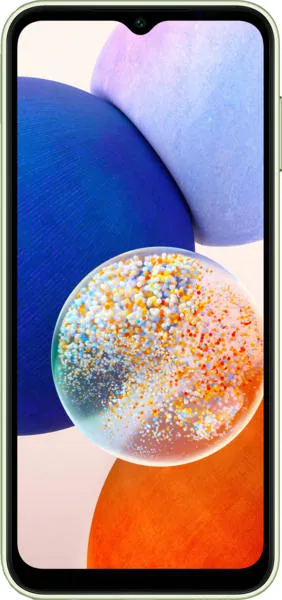
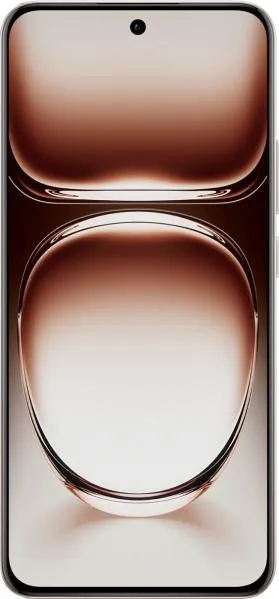
| Feature | Samsung Galaxy A14 | Oppo Reno12 | Practical Impact |
|---|---|---|---|
| Design | |||
| Dimensions (mm) | 167.7 x 78 x 9.1 | 161.4 x 74.1 x 7.6 | Reno12 is noticeably smaller and thinner, making it more pocketable and comfortable to hold. |
| Weight (g) | 201 | 177 | Reno12 is lighter, reducing hand fatigue during extended use. |
| Display | |||
| Display Type | PLS LCD | AMOLED | Reno12's AMOLED display offers significantly better contrast, deeper blacks, and more vibrant colors. |
| Display Size (inches) | 6.6 | 6.7 | Negligible difference in screen real estate. |
| Resolution | 1080 x 2408 | 1080 x 2412 | Virtually identical resolution, resulting in similar sharpness. |
| Refresh Rate (Hz) | Not specified | 120 | Reno12's 120Hz refresh rate provides a much smoother and more responsive user experience, especially noticeable in scrolling and gaming. |
| Peak Brightness (nits) | Not specified | 1200 | Reno12's higher peak brightness ensures better visibility in direct sunlight. |
| Performance | |||
| Chipset | Mediatek Helio G80 (12nm) | Mediatek Dimensity 7300 (4nm) | Reno12's Dimensity 7300, built on a smaller process node, offers significantly better performance, efficiency, and thermal management. This translates to smoother multitasking, faster app loading, and better gaming capabilities. |
| CPU | Octa-core (2x2.0 GHz A75 & 6x1.8 GHz A55) | Octa-core (4x2.5 GHz A78 & 4x2.0 GHz A55) | Reno12 boasts more powerful CPU cores, leading to a substantial performance advantage in demanding tasks. |
| RAM (GB) | 4 | 12 | Reno12's 12GB RAM allows for significantly more apps to be held in memory, reducing the need for frequent reloading. |
| Camera | |||
| Main Camera (MP) | 50 | 50 | Similar megapixel count, but sensor quality details are missing for A14, making a direct comparison difficult. |
| Video Recording | 1080p@30fps | Up to 4K@30fps with OIS and EIS | Reno12 offers superior video recording capabilities with higher resolution, optical image stabilization (OIS), and electronic image stabilization (EIS) for smoother footage. |
| Battery | |||
| Capacity (mAh) | 5000 | 5000 | Identical battery capacity. |
| Fast Charging (W) | 15 | 80 | Reno12's 80W fast charging drastically reduces charging time compared to A14's 15W. |
2. Key Differences Analysis
Oppo Reno12 Advantages:
- Superior Display: AMOLED with 120Hz refresh rate and HDR10+ support.
- Significantly Faster Performance: Dimensity 7300 chipset and 12GB RAM.
- Faster Charging: 80W fast charging.
- Better Video Recording: 4K resolution with OIS and EIS.
- More Modern OS: Ships with Android 14 with guaranteed updates to Android 17.
Samsung Galaxy A14 Advantages:
- Potentially Lower Price: Depending on the specific RAM/storage configuration.
3. User Profiles & Recommendations
Oppo Reno12: Ideal for users who prioritize performance, a smooth and vibrant display, fast charging, and excellent camera capabilities. Suitable for demanding tasks like gaming, content creation, and multitasking.
Samsung Galaxy A14: Best suited for budget-conscious users who prioritize basic functionality and long battery life. Suitable for light usage such as calling, texting, web browsing, and social media.
4. Decision Framework
Key Questions for Buyers:
- What is your budget? The Reno12 is positioned in a higher price bracket.
- What are your primary smartphone usage patterns? For demanding tasks, the Reno12 is a clear winner. For basic usage, the A14 might suffice.
- How important is display quality and smoothness? The Reno12's AMOLED display with a 120Hz refresh rate is a significant upgrade.
My Choice: Oppo Reno12
While lacking specific pricing for both models, the Oppo Reno12 offers significant advantages in performance, display, charging speed, and camera capabilities. The smoother 120Hz AMOLED display, powerful Dimensity 7300 chipset, and incredibly fast 80W charging make it a compelling choice. While the Samsung Galaxy A14 might be more budget-friendly, the Reno12 provides a vastly superior user experience that justifies the likely price difference for most users. The extended software support with updates up to Android 17 also ensures a longer lifespan for the device.
