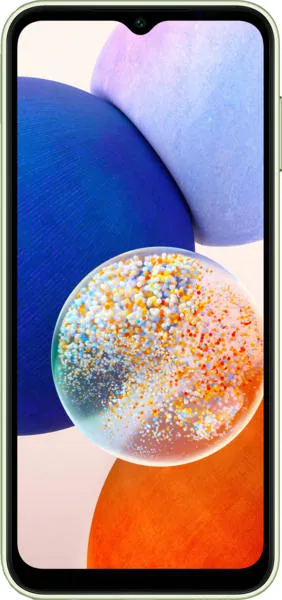
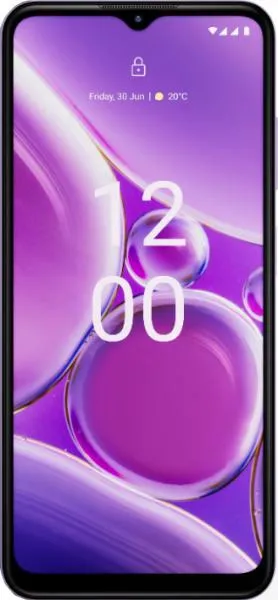
1. Specifications Comparison
| Feature | Samsung Galaxy A14 | Nokia G42 | Practical Impact |
|---|---|---|---|
| Design | |||
| Dimensions (mm) | 167.7 x 78 x 9.1 | 165 x 75.8 x 8.6 | Nokia G42 is slightly smaller and thinner. |
| Weight (g) | 201 | 193.8 | Nokia G42 is slightly lighter, making it marginally more comfortable for extended use. |
| Display | |||
| Size (inches) | 6.6 | 6.56 | Negligible difference in screen real estate. |
| Resolution (px) | 1080 x 2408 | 720 x 1612 | Galaxy A14 has a significantly sharper display (400 ppi vs 269 ppi), resulting in clearer text and images. |
| Display Type | PLS LCD | IPS LCD | Both are LCD panels. PLS LCD generally offers slightly better color reproduction and viewing angles compared to standard IPS LCD. |
| Refresh Rate (Hz) | Not specified | 90 | The 90Hz refresh rate on the Nokia G42 will provide a smoother user experience, especially for scrolling and gaming. |
| Performance | |||
| Chipset | Mediatek Helio G80 (12 nm) | Qualcomm Snapdragon 480+ 5G (8 nm) | Snapdragon 480+ 5G is a more power-efficient and generally more powerful chip, offering better performance and potentially longer battery life. |
| CPU | Octa-core (2x2.0 GHz Cortex-A75 & 6x1.8 GHz Cortex-A55) | Octa-core (2x2.2 GHz Kryo 460 & 6x1.8 GHz Kryo 460) | Snapdragon 480+ offers better CPU performance. |
| GPU | Mali-G52 MC2 | Adreno 619 | Adreno 619 provides better graphics performance for gaming and demanding applications. |
| RAM (GB) | 4 | 4/6/8 (depending on version) | More RAM options available for the Nokia G42. 6GB or 8GB will provide smoother multitasking. |
| Camera | |||
| Main Camera (MP) | 50 | 50 | Similar resolution, but image quality will depend on sensor and processing. |
| Selfie Camera (MP) | 13 | 8 | Galaxy A14 has a higher resolution selfie camera. |
| Video Recording | 1080p@30fps | 1080p@30fps | Similar video recording capabilities. |
| Battery | |||
| Capacity (mAh) | 5000 | 5000 | Same battery capacity, but actual battery life will depend on factors like chipset efficiency and display usage. |
| Fast Charging | 15W | 20W | Nokia G42 supports faster charging. |
2. Key Differences Analysis
Samsung Galaxy A14 Advantages:
- Sharper Display: Significantly higher pixel density resulting in a more detailed and crisp viewing experience.
- Higher Resolution Selfie Camera: Better for video calls and self-portraits.
Nokia G42 Advantages:
- More Powerful and Efficient Chipset: Snapdragon 480+ 5G offers better performance and battery life.
- Higher Refresh Rate Display: Smoother and more responsive user experience.
- Faster Charging: Reduces downtime.
- 5G Connectivity: Offers faster data speeds in areas with 5G coverage. More future-proof.
- Larger RAM Options: 6GB and 8GB RAM options allow for better multitasking performance.
3. User Profiles & Recommendations
Samsung Galaxy A14: Users who prioritize display quality and a good selfie camera on a budget. Ideal for:
- Casual social media users: Sharper display enhances photo and video viewing.
- Users who consume a lot of media: Clearer display for a better viewing experience.
Nokia G42: Users who prioritize overall performance, smoother user experience, and future-proof features like 5G. Ideal for:
- Mobile gamers: Better performance and higher refresh rate display.
- Users who multitask heavily: More RAM options available for smoother performance.
- Users who need fast data speeds: 5G connectivity for faster downloads and streaming.
4. Decision Framework
Key Questions for Buyers:
- Is a sharper display a priority? If yes, the Galaxy A14 is the better choice.
- Is performance and future-proofing important? If yes, the Nokia G42 with its more powerful processor and 5G capabilities is preferred.
- What is your budget? Consider the price difference between the two phones and the RAM/storage configurations available for the Nokia G42.
My Choice: Nokia G42
While the Samsung Galaxy A14 boasts a sharper display, the Nokia G42 offers a more well-rounded package. The Snapdragon 480+ 5G chip provides significantly better performance and efficiency, resulting in a smoother user experience and longer battery life. The 90Hz refresh rate further enhances the smoothness. Furthermore, the availability of larger RAM options and 5G connectivity future-proofs the device. While the lower resolution display is a trade-off, the overall performance and longevity of the Nokia G42 make it a more compelling choice for me. The faster charging is also a significant advantage in my daily usage. I prioritize performance and future-proof features over a slightly sharper display, especially considering the relatively small price difference between the two devices.
