
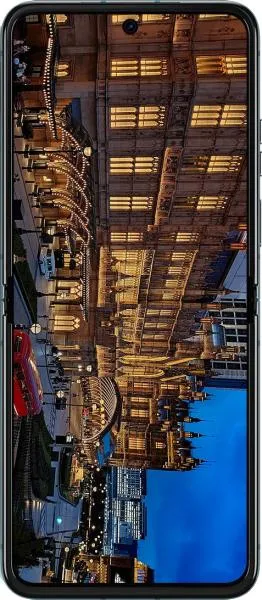
1. Specifications Comparison
| Feature | Samsung Galaxy A14 | Motorola Razr 40 | Practical Impact |
|---|---|---|---|
| Design | |||
| Dimensions | 167.7 x 78 x 9.1 mm | 170.8 x 74 x 7.4 mm | Razr 40 is noticeably thinner and slightly narrower, but taller when unfolded. Significantly more pocketable due to folding design. |
| Weight | 201g | 188.6g | Razr 40 is lighter despite its larger main screen. |
| Foldable | No | Yes | Razr 40's folding design offers unique portability and a secondary external display for quick interactions. |
| Display | |||
| Display Type | PLS LCD | Foldable LTPO AMOLED | Razr 40 boasts superior contrast, color accuracy, and power efficiency due to AMOLED technology. LTPO allows for dynamic refresh rate adjustment, saving battery. |
| Size | 6.6" | 6.9" | Razr 40 offers a larger main display for immersive content consumption. |
| Resolution | 1080 x 2408 | 1080 x 2640 | Both have similar sharpness, but Razr 40's taller aspect ratio provides more vertical screen real estate. |
| Refresh Rate | Not specified | 144Hz | Razr 40's high refresh rate delivers significantly smoother scrolling and animations, enhancing gaming and everyday use. A14's refresh rate is unknown, likely 60Hz, resulting in a less fluid experience. |
| Peak Brightness | Not specified | 1400 nits | Razr 40's higher peak brightness ensures better visibility in direct sunlight. Lack of data for A14 prevents direct comparison. |
| Performance | |||
| Chipset | Mediatek Helio G80 (12nm) | Snapdragon 7 Gen 1 (4nm) | Razr 40's Snapdragon 7 Gen 1 offers significantly better performance, efficiency, and graphics capabilities compared to the Helio G80. This translates to faster app loading, smoother multitasking, and better gaming performance. |
| CPU | Octa-core (2x2.0 GHz A75 & 6x1.8 GHz A55) | Octa-core (1x2.4 GHz A710 & 3x2.36 GHz A710 & 4x1.8 GHz A510) | Razr 40 utilizes more powerful and modern CPU cores, resulting in a noticeable performance advantage. |
| RAM | 4GB | 8GB | Razr 40's larger RAM enables better multitasking and reduces app reloading, leading to a smoother overall experience. |
| Camera | |||
| Main Camera | 50MP | 64MP | While megapixels aren't everything, Razr 40's main camera likely captures more detail. Real-world image quality depends on factors beyond resolution, which requires further review. |
| Video Recording | 1080p@30fps | 4K@30fps | Razr 40 offers significantly higher video resolution, capturing more detail and offering greater flexibility for editing. |
| Optical Stabilization | No | Yes | Razr 40's optical image stabilization results in smoother videos and reduces blur in photos, especially in low light. |
| Battery | |||
| Capacity | 5000mAh | 4200mAh | A14 has a larger battery capacity, potentially offering longer battery life. However, Razr 40's more efficient processor and LTPO display could offset this difference. Real-world usage will vary. |
| Fast Charging | 15W | 33W | Razr 40 supports significantly faster charging, minimizing downtime. |
2. Key Differences Analysis
Samsung Galaxy A14 Advantages:
- Potentially longer battery life: Larger 5000mAh battery.
- Lower price: Typically more affordable.
Motorola Razr 40 Advantages:
- Significantly more powerful: Snapdragon 7 Gen 1 offers superior performance and efficiency.
- Higher quality display: Foldable AMOLED with 144Hz refresh rate and HDR10+ provides a superior visual experience.
- More compact and portable: Folding design for enhanced pocketability.
- Faster charging: 33W fast charging.
- More versatile camera system: Higher resolution main sensor, optical image stabilization, and 4K video recording.
Trade-offs:
- Razr 40's smaller battery: Folding design necessitates a smaller battery, potentially impacting battery life despite efficiency improvements.
- Razr 40's higher price: Premium features and foldable design come at a higher cost.
3. User Profiles & Recommendations
Samsung Galaxy A14: Budget-conscious users prioritizing basic functionality, long battery life, and affordability. Ideal for:
- Casual users primarily using their phone for calling, texting, and light browsing.
- Users seeking a large screen for media consumption on a budget.
Motorola Razr 40: Users prioritizing performance, portability, a premium display, and a unique foldable design. Ideal for:
- Users who value a compact and pocketable phone without sacrificing performance.
- Users who engage in demanding tasks like gaming or heavy multitasking.
- Users who appreciate a high-quality display and smooth user experience.
- Trendsetters seeking a unique and stylish device.
4. Decision Framework
Key Questions for Buyers:
- Budget: How much are you willing to spend?
- Performance needs: Do you require a powerful phone for demanding tasks or is basic functionality sufficient?
- Portability vs. Battery Life: Is ultimate portability more important or do you prioritize all-day battery life?
Scenario-Based Recommendations:
- Limited budget and basic needs: Samsung Galaxy A14
- Prioritize performance, portability, and premium features: Motorola Razr 40
- Long battery life is crucial: Further battery life comparisons are needed before a definitive recommendation can be made, though the A14 is likely to last longer.
My Choice: Motorola Razr 40
While the Samsung Galaxy A14 offers a larger battery and lower price, the Motorola Razr 40 is the superior device overall. Its significantly faster processor, stunning foldable AMOLED display with a 144Hz refresh rate, more versatile camera system, and faster charging outweigh the potential battery life advantage and price difference for me. I value a smooth and responsive user experience, portability, and a high-quality display, which the Razr 40 delivers in spades. The unique form factor is a bonus, making the phone incredibly pocketable. I am willing to compromise slightly on battery life for the significant gains in other areas. The A14 feels like a device focused on basic functionality, whereas the Razr 40 offers a more premium and engaging smartphone experience.
