
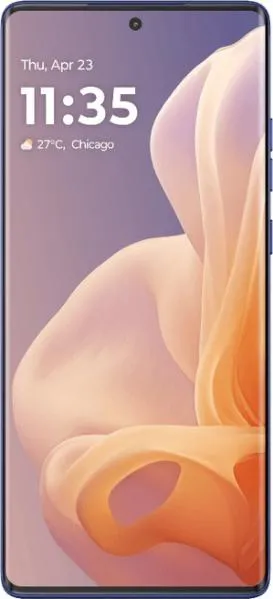
1. Specifications Comparison
| Feature | Samsung Galaxy A14 | Motorola Moto G85 | Practical Impact |
|---|---|---|---|
| Design | |||
| Dimensions (mm) | 167.7 x 78 x 9.1 | 161.9 x 73.1 x 7.6 | Moto G85 is slightly smaller and noticeably thinner, making it more pocketable. |
| Weight (g) | 201 | 171 | Moto G85 is significantly lighter, reducing hand fatigue during extended use. |
| Display | |||
| Display Type | PLS LCD | P-OLED | Moto G85's OLED offers deeper blacks, more vibrant colors, and better power efficiency. |
| Size (inches) | 6.6 | 6.67 | Negligible size difference. |
| Resolution | 1080 x 2408 | 1080 x 2400 | Virtually identical resolution; sharpness will be similar on both. |
| Refresh Rate | Not specified | 120Hz | Moto G85's 120Hz refresh rate provides smoother scrolling and animations, leading to a more fluid user experience. |
| Peak Brightness | Not specified | 1600 nits | Moto G85 should offer significantly better outdoor visibility. |
| Performance | |||
| Chipset | Mediatek Helio G80 (12nm) | Qualcomm Snapdragon 6s Gen 3 (6nm) | Snapdragon 6s Gen 3 is built on a smaller process node, likely resulting in better performance and power efficiency than the Helio G80. |
| CPU | Octa-core (2x2.0 GHz Cortex-A75 & 6x1.8 GHz Cortex-A55) | Octa-core (2x2.3 GHz Cortex-A78 & 6x2.0 GHz Cortex-A55) | Moto G85's CPU features faster and more modern cores, translating to noticeably improved performance in demanding tasks and multitasking. |
| GPU | Mali-G52 MC2 | Adreno 619 | Adreno 619 offers better gaming performance and graphics rendering compared to the Mali-G52 MC2. |
| RAM | 4GB | 12GB | Moto G85's significantly larger RAM allows for more apps to run in the background without reloading, leading to smoother multitasking. |
| Camera | |||
| Main Camera | 50MP | 50MP (Sony LYT-600) | While both have 50MP sensors, the Moto G85 utilizes a known Sony sensor, potentially indicating better image quality. More details on the A14's sensor are needed for a comprehensive comparison. |
| Additional Cameras | Macro, Depth, Selfie | Wide Angle, Selfie | Moto G85 offers a more versatile wide-angle lens, while A14 includes a dedicated macro lens, the usability of which varies. |
| Video Recording | 1080p@30fps | 1080p@30/60fps | Moto G85 can record smoother video at 60fps. |
| Battery | |||
| Capacity | 5000 mAh | 5000 mAh | Identical battery capacities suggest similar battery life, but real-world usage will depend on other factors like software optimization and display efficiency. |
| Fast Charging | 15W | 30W | Moto G85 supports significantly faster charging, reducing downtime. |
2. Key Differences Analysis
Motorola Moto G85 Advantages:
- Superior Display: OLED with 120Hz refresh rate offers a smoother, more vibrant, and power-efficient visual experience.
- Significantly Better Performance: More powerful CPU, GPU, and substantially more RAM ensure smoother multitasking and better gaming capabilities.
- Faster Charging: 30W fast charging significantly reduces charging time.
- More Versatile Camera System: Inclusion of a wide-angle lens enhances photographic flexibility.
- Lighter and Slimmer Design: Improves portability and in-hand comfort.
Samsung Galaxy A14 Advantages:
- Potentially Lower Price: Depending on specific configurations and market conditions. (Need more price info for conclusive comparison)
3. User Profiles & Recommendations
Motorola Moto G85: Suited for users who prioritize performance, a smooth and vibrant display, faster charging, and a versatile camera system. Ideal for gamers, content consumers, and those who value a premium user experience.
Samsung Galaxy A14: Best for budget-conscious users who prioritize basic functionality and long battery life. Suitable for light users who primarily use their phones for calling, texting, and social media.
4. Decision Framework
Key Questions for Buyers:
- What is your budget? The Moto G85 is likely more expensive.
- What are your primary smartphone usage patterns? Heavy users will appreciate the Moto G85's performance, while light users might find the A14 sufficient.
- Which features are most important to you? Prioritize display quality, performance, charging speed, or camera versatility accordingly.
My Choice: Motorola Moto G85
While pricing information is incomplete, the Moto G85 offers a substantial upgrade in almost every aspect for a likely moderate price increase. The superior display, significantly improved performance, faster charging, and more versatile camera system outweigh the potential price difference. The 12GB of RAM ensures future-proofing and a smooth user experience for years to come. The A14, while functional, lacks the performance and features to compete with the overall user experience offered by the Moto G85.
