1. Specifications Comparison
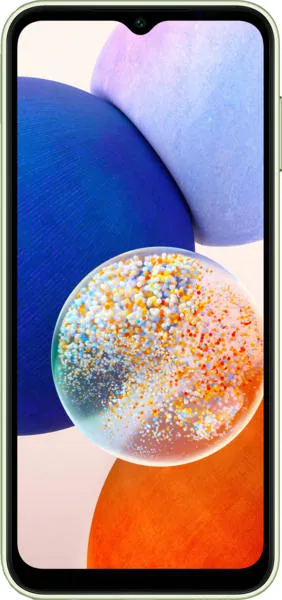
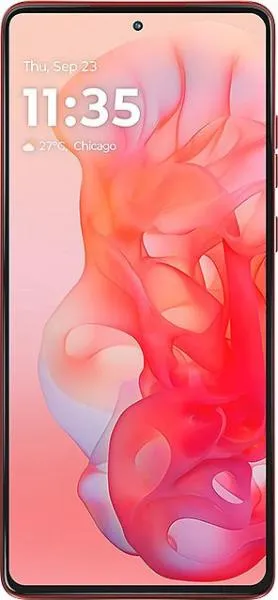
| Feature | Samsung Galaxy A14 | Motorola Moto G Stylus 5G (2024) | Practical Impact |
|---|---|---|---|
| Design | |||
| Dimensions (mm) | 167.7 x 78 x 9.1 | 162.6 x 74.8 x 8.3 | Moto G Stylus is slightly smaller and thinner, potentially improving one-handed use. |
| Weight (g) | 201 | 190 | Moto G Stylus is slightly lighter, enhancing portability. |
| Build Material | Not specified | Not specified | Cannot compare build quality and durability without material information. |
| Display | |||
| Display Type | PLS LCD | P-OLED | Moto G Stylus offers deeper blacks, more vibrant colors, and better power efficiency due to P-OLED technology. |
| Display Size (inches) | 6.6 | 6.7 | Negligible difference in screen real estate. |
| Resolution (pixels) | 1080 x 2408 | 1080 x 2400 | Nearly identical resolution; sharpness will be similar on both. |
| Refresh Rate (Hz) | Not specified | 120 | Moto G Stylus's 120Hz refresh rate will provide a significantly smoother user experience, especially noticeable in scrolling and gaming. |
| Peak Brightness (nits) | Not specified | 1200 | Moto G Stylus's higher peak brightness ensures better visibility in direct sunlight. |
| Performance | |||
| Chipset | Mediatek Helio G80 (12nm) | Qualcomm Snapdragon 6 Gen 1 (4nm) | Snapdragon 6 Gen 1 offers significantly better performance and power efficiency due to its more advanced manufacturing process and architecture. |
| CPU | Octa-core (2x2.0 GHz Cortex-A75 & 6x1.8 GHz Cortex-A55) | Octa-core (4x2.2 GHz Cortex-A78 & 4x1.8 GHz Cortex-A55) | Moto G Stylus has a more powerful CPU with faster cores, resulting in smoother multitasking and faster app loading. |
| GPU | Mali-G52 MC2 | Adreno 710 | Adreno 710 provides a substantial improvement in graphics performance, benefiting gaming and media consumption. |
| RAM (GB) | 4 | 8 | Moto G Stylus's 8GB RAM enables better multitasking and reduces app closures in the background. |
| Camera | |||
| Main Camera (MP) | 50 | 50 | Megapixel count is the same, but image quality depends on sensor size, aperture, and processing, which are not fully comparable here. |
| Front Camera (MP) | 13 | 32 | Moto G Stylus boasts a much higher resolution front camera, resulting in significantly better selfies. |
| Video Recording | 1080p@30fps | Up to 4K@30fps | Moto G Stylus offers higher resolution video recording capabilities. |
| Battery | |||
| Capacity (mAh) | 5000 | 5000 | Identical battery capacity suggests similar battery life, but real-world usage will vary depending on other factors. |
| Fast Charging | 15W | 30W | Moto G Stylus charges significantly faster. |
2. Key Differences Analysis
Motorola Moto G Stylus 5G (2024) Advantages:
- Significantly better performance: Snapdragon 6 Gen 1, more powerful CPU/GPU, and more RAM translate to smoother multitasking, faster app loading, and improved gaming.
- Superior Display: P-OLED technology with a 120Hz refresh rate and higher brightness delivers more vibrant visuals and a smoother user experience.
- Faster Charging: 30W fast charging significantly reduces charging time.
- Better front camera: Higher resolution for superior selfies.
- More advanced software: Ships with Android 14 and guaranteed upgrade to Android 15.
Samsung Galaxy A14 Advantages:
- Potentially lower price: Depending on specific configurations and deals, the A14 may be more affordable.
3. User Profiles & Recommendations
Samsung Galaxy A14: Budget-conscious users who prioritize basic functionality for everyday tasks like calling, texting, and web browsing.
Motorola Moto G Stylus 5G (2024): Users who value performance, a smooth display, fast charging, a good front-facing camera, and the latest software features. Suitable for gaming, media consumption, and multitasking. The stylus adds functionality for note-taking and drawing.
4. Decision Framework
Key Questions for Buyers:
- What is your budget? The A14 is likely cheaper.
- What are your performance expectations? The Moto G Stylus offers significantly better performance.
- How important is display quality and smoothness? The Moto G Stylus's P-OLED display with a 120Hz refresh rate is a major advantage.
My Choice: Motorola Moto G Stylus 5G (2024)
While pricing details aren't fully clear, the Moto G Stylus 5G (2024) offers substantial upgrades in performance, display, charging, and camera quality that outweigh the potential price difference. The smoother 120Hz display, faster processor, and improved camera make for a more enjoyable and responsive user experience. The longer software support with guaranteed updates to Android 15 also ensures a longer lifespan for the device. The inclusion of a stylus, while not heavily factored in due to lack of personal need, adds potential value for users who benefit from that feature. The Samsung Galaxy A14 is a decent budget option, but the Moto G Stylus offers a superior overall package.
