
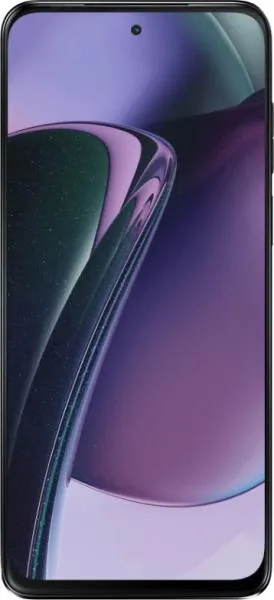
1. Specifications Comparison
| Feature | Samsung Galaxy A14 | Motorola Moto G Stylus 5G (2023) | Practical Impact |
|---|---|---|---|
| Design | |||
| Dimensions (mm) | 167.7 x 78 x 9.1 | 162.8 x 73.8 x 9.2 | Moto G Stylus is slightly shorter and narrower, potentially improving one-handed usability. |
| Weight (g) | 201 | 202 | Negligible weight difference. |
| Build Materials | Not specified | Not specified | Cannot compare build quality and durability. |
| Display | |||
| Size (inches) | 6.6 | 6.6 | Same screen size. |
| Resolution (px) | 1080 x 2408 | 1080 x 2400 | Virtually identical resolution; no noticeable difference in sharpness. |
| Display Type | PLS LCD | IPS LCD | Both are LCD panels, but PLS LCD generally offers slightly better color accuracy and wider viewing angles compared to standard IPS. |
| Refresh Rate (Hz) | Not specified | 120 | 120Hz on the Moto G Stylus will result in significantly smoother animations and scrolling compared to a standard 60Hz likely on the A14. |
| Performance | |||
| Chipset | Mediatek Helio G80 (12nm) | Qualcomm Snapdragon 6 Gen 1 (4nm) | Snapdragon 6 Gen 1 offers significantly better performance and efficiency due to its more advanced manufacturing process and architecture. |
| CPU | Octa-core (2x2.0 GHz Cortex-A75 & 6x1.8 GHz Cortex-A55) | Octa-core (4x2.2 GHz Cortex-A78 & 4x1.8 GHz Cortex-A55) | Moto G Stylus has faster and more powerful CPU cores, resulting in smoother multitasking and better performance in demanding apps. |
| GPU | Mali-G52 MC2 | Adreno 710 | Adreno 710 provides a substantial improvement in graphics performance, beneficial for gaming and other visually intensive tasks. |
| RAM | 4GB/6GB | 6GB/8GB | Moto G Stylus generally offers more RAM, improving multitasking capabilities. |
| Storage | 128GB | 128GB/256GB | Moto G Stylus offers a higher storage option. |
| Camera | |||
| Rear Camera | 50MP Main, 2MP Macro, 2MP Depth | 50MP Main, 8MP Wide+Macro | Moto G Stylus has a more versatile camera setup with an ultrawide lens, whereas the A14 has a dedicated depth sensor, the utility of which can be debated. |
| Front Camera | 13MP | 16MP | Moto G Stylus has a slightly higher resolution front camera. |
| Video Recording | 1080p@30fps | Up to 4K@30fps | Moto G Stylus offers higher resolution video recording. |
| Battery | |||
| Capacity (mAh) | 5000 | 5000 | Same battery capacity. |
| Fast Charging | 15W | 20W | Moto G Stylus offers slightly faster charging. |
2. Key Differences Analysis
Samsung Galaxy A14 Advantages:
- Potentially Lower Price: Depending on the specific configuration and retailer, the A14 might be more affordable.
Motorola Moto G Stylus 5G (2023) Advantages:
- Significantly Better Performance: The Snapdragon 6 Gen 1, along with more RAM options, provides a much smoother and more responsive user experience.
- Higher Refresh Rate Display: The 120Hz display offers a smoother and more fluid visual experience.
- More Versatile Camera System: The inclusion of an ultrawide lens enhances photographic capabilities.
- Faster Charging: 20W charging will top up the battery quicker than the A14's 15W.
- Stylus Support: Offers a built-in stylus for note-taking and drawing. (Not explicitly in the data but implied by the name)
Trade-offs:
- Price: The Moto G Stylus 5G is likely more expensive. Users on a tight budget might find the A14 more appealing.
3. User Profiles & Recommendations
Samsung Galaxy A14: Suitable for budget-conscious users who prioritize basic smartphone functionality - calling, texting, social media browsing, and light web use.
Motorola Moto G Stylus 5G (2023): Ideal for users who want a smooth and responsive experience, enjoy mobile gaming or consuming multimedia, need a versatile camera, and appreciate the added functionality of a stylus.
4. Decision Framework
Key Questions for Buyers:
- What is your budget?
- What are your primary smartphone usage patterns?
- How important is performance and a smooth display?
Scenario-Based Recommendations:
- Tight Budget, Basic Usage: Samsung Galaxy A14
- Moderate Budget, Balanced Usage: Samsung Galaxy A14 with 6GB RAM (if available)
- Performance and Features Focused: Motorola Moto G Stylus 5G
My Choice: Motorola Moto G Stylus 5G (2023)
While not explicitly stated in the provided specs, the "Stylus" in the name suggests a key feature that differentiates it greatly for my use case. I frequently take handwritten notes and sketch diagrams, making a stylus indispensable. Beyond that, the superior performance of the Snapdragon 6 Gen 1, the smoother 120Hz display, more versatile camera system, and faster charging make the Moto G Stylus 5G a significantly better overall package. The price difference is likely justifiable for the substantial upgrade in user experience. Even without the stylus, the performance and display alone would sway me towards the Moto G Stylus.
