1. Specifications Comparison
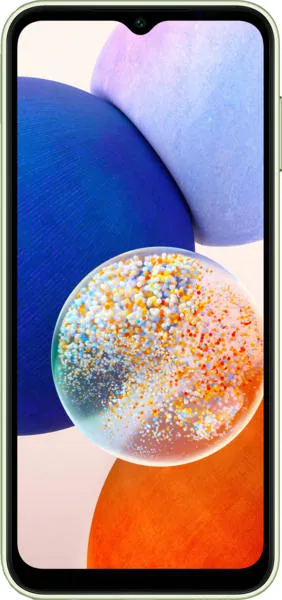
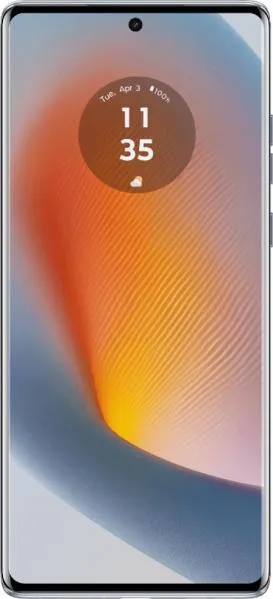
| Feature | Samsung Galaxy A14 | Motorola Edge 50 Fusion | Practical Impact |
|---|---|---|---|
| Design | |||
| Dimensions (mm) | 167.7 x 78 x 9.1 | 161.9 x 73.1 x 7.9 | Edge 50 Fusion is slightly smaller and thinner, making it potentially more pocketable. |
| Weight (g) | 201 | 174.9 | Edge 50 Fusion is noticeably lighter, improving one-handed use and reducing fatigue. |
| Display | |||
| Size (inches) | 6.6 | 6.7 | Negligible difference in screen real estate. |
| Resolution (px) | 1080 x 2408 | 1080 x 2400 | Virtually identical resolution, offering similar sharpness. |
| Display Type | PLS LCD | P-OLED | Edge 50 Fusion's OLED offers deeper blacks, richer colors, and potentially better power efficiency. |
| Refresh Rate (Hz) | Not specified | 120 | Higher refresh rate on the Edge 50 Fusion results in smoother animations and scrolling. |
| Performance | |||
| Chipset | Mediatek Helio G80 (12nm) | Qualcomm Snapdragon 7s Gen 2 (4nm) | Edge 50 Fusion's newer and more powerful chipset offers significantly better performance in demanding tasks and gaming. The 4nm process also suggests better power efficiency. |
| CPU | Octa-core (2x2.0 GHz A75 & 6x1.8 GHz A55) | Octa-core (4x2.4 GHz A78 & 4x1.95 GHz A55) | Edge 50 Fusion has faster and more modern CPU cores, resulting in a more responsive user experience. |
| RAM (GB) | 4 | 8 | More RAM on the Edge 50 Fusion allows for better multitasking and smoother performance with multiple apps open. |
| OS | Android 13 | Android 14 | Edge 50 Fusion ships with a newer Android version, offering potential feature and security advantages and longer software support with an update to Android 17 confirmed. |
| Camera | |||
| Main Camera (MP) | 50 | 50 | Similar megapixel count, but sensor quality and other factors impact overall image quality. Motorola provides more sensor details, indicating a potentially superior camera system. |
| Video Recording | 1080p@30fps | 4K@30fps, 1080p@120fps | Edge 50 Fusion offers significantly better video recording capabilities with higher resolution and frame rates. It also includes Optical Image Stabilization (OIS) for smoother footage. |
| Battery | |||
| Capacity (mAh) | 5000 | 5000 | Same battery capacity, but real-world battery life depends on other factors like display type and processor efficiency. |
| Fast Charging | 15W | 68W | Edge 50 Fusion supports significantly faster charging, minimizing downtime. |
2. Key Differences Analysis
Motorola Edge 50 Fusion Advantages:
- Significantly better performance: The Snapdragon 7s Gen 2, coupled with more RAM, provides a smoother and more responsive experience, especially for gaming and demanding applications.
- Superior display: The OLED panel offers vibrant colors, deeper blacks, and a higher refresh rate for a more visually appealing and fluid user experience.
- Faster charging: 68W fast charging dramatically reduces charging time compared to the A14's 15W.
- Enhanced camera capabilities: 4K video recording, Optical Image Stabilization, and more detailed sensor specifications suggest a more capable camera system. The inclusion of slow-motion video at up to 960fps is a significant advantage.
- More recent software: Android 14 with a guaranteed upgrade path to Android 17 means longer software support and access to newer features.
Samsung Galaxy A14 Advantages:
- Potentially lower price: While pricing can vary, the A14 generally falls into a more budget-friendly category.
3. User Profiles & Recommendations
Samsung Galaxy A14: Suitable for budget-conscious users who prioritize basic smartphone functionality like calling, texting, web browsing, and social media. Not recommended for demanding tasks like gaming or heavy multitasking.
Motorola Edge 50 Fusion: Ideal for users who want a well-rounded smartphone with good performance, a vibrant display, a capable camera, and fast charging. Suitable for gaming, media consumption, and multitasking.
4. Decision Framework
Key Questions for Buyers:
- What is your budget? The A14 is likely more affordable.
- What are your primary use cases? The Edge 50 Fusion is better for demanding tasks and media consumption.
- How important is long-term software support? The Motorola Edge 50 Fusion will receive updates for a longer period.
My Choice: Motorola Edge 50 Fusion
While the Samsung Galaxy A14 might be a more budget-friendly option, the Motorola Edge 50 Fusion offers a significantly better overall package. The superior performance, display, camera, and faster charging outweigh the potential price difference for me. The longer software update commitment from Motorola also contributes significantly to the value proposition. The Edge 50 Fusion would provide a more enjoyable and future-proof smartphone experience.
