1. Specifications Comparison
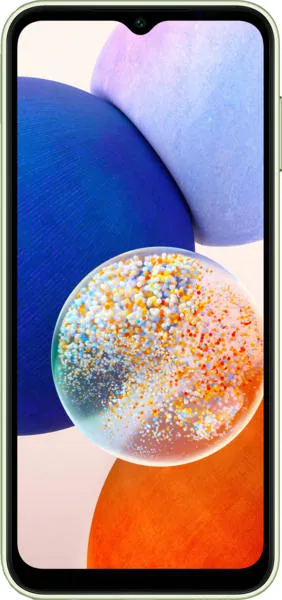
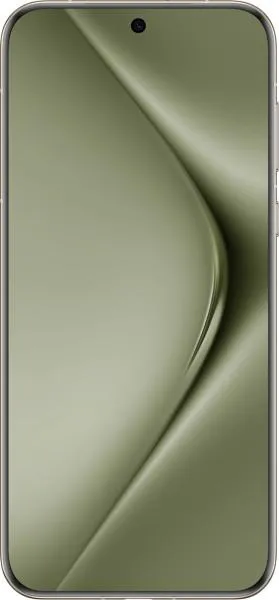
| Feature | Samsung Galaxy A14 | Huawei Pura 70 Ultra | Practical Impact |
|---|---|---|---|
| Design | |||
| Dimensions (mm) | 167.7 x 78 x 9.1 | 162.6 x 75.1 x 8.4 | The Huawei phone is slightly smaller and thinner, potentially offering better one-handed usability. |
| Weight (g) | 201 | 226 | The Samsung phone is noticeably lighter, reducing hand fatigue during extended use. |
| Build | Not specified | Not specified | Build materials impact durability and premium feel; this information is missing. |
| Display | |||
| Size (inches) | 6.6 | 6.8 | The Huawei phone offers a slightly larger screen for more immersive media consumption. |
| Resolution (pixels) | 1080 x 2408 | 1260 x 2844 | The Huawei phone has a significantly sharper display, resulting in crisper text and images. |
| Display Type | PLS LCD | LTPO OLED | The Huawei phone utilizes superior OLED technology with higher brightness, better contrast, and more vibrant colors. LTPO also allows for dynamic refresh rate adjustment, saving battery. |
| Refresh Rate (Hz) | Not specified | 120 | A higher refresh rate on the Huawei phone results in smoother animations and scrolling. |
| Performance | |||
| Chipset | Mediatek Helio G80 (12nm) | Kirin 9010 (7nm) | The Kirin 9010 in the Huawei phone is a significantly more powerful and efficient processor, enabling smoother multitasking and demanding gaming. |
| CPU | Octa-core (2x2.0 GHz Cortex-A75 & 6x1.8 GHz Cortex-A55) | Octa-core (1x2.3 GHz Taishan Big & 3x2.18 GHz Taishan Mid & 4x1.55 GHz Cortex-A510) | The Huawei phone boasts a more powerful CPU architecture, leading to superior performance in demanding applications. |
| RAM (GB) | 4 | 16 | The massive 16GB RAM on the Huawei phone allows for seamless multitasking and effortless switching between numerous apps. The Samsung's 4GB will likely lead to more frequent app closures in the background. |
| Storage (GB) | 128 | 1000 | The Huawei phone offers significantly more storage for apps, photos, and videos. |
| Camera | |||
| Main Camera (MP) | 50 | 50 | Both phones feature a 50MP main camera, but sensor size and other factors, not specified for the Samsung phone, greatly influence image quality. |
| Other Cameras | Macro, Depth, Selfie | Wide-angle, Telephoto, Selfie | The Huawei phone boasts a more versatile camera system with a wide-angle and telephoto lens, enabling broader perspectives and zoomed shots. |
| Camera Features | Basic features | Advanced features including variable aperture, optical zoom, and slow-motion video at 960fps | The Huawei phone offers a significantly more feature-rich camera experience. |
| Battery | |||
| Capacity (mAh) | 5000 | 5200 | Both phones have large batteries, but the Huawei has a slightly larger capacity. Real-world battery life depends heavily on usage and software optimization. |
| Charging | 15W Fast Charging | 100W Fast Charging, 80W Wireless Charging, 20W Reverse Wireless Charging | The Huawei phone offers dramatically faster wired and wireless charging and can charge other devices wirelessly. |
2. Key Differences Analysis
Huawei Pura 70 Ultra Advantages:
- Significantly more powerful: Superior processor, significantly more RAM, resulting in smoother performance, better multitasking, and enhanced gaming capabilities.
- Superior Display: Higher resolution, OLED technology, 120Hz refresh rate translates to a more vibrant, responsive, and immersive visual experience.
- More Versatile Camera System: Wide-angle and telephoto lenses offer greater creative freedom. Advanced features like variable aperture and higher quality slow-motion video.
- Faster Charging: Significantly faster wired and wireless charging dramatically reduces downtime. Reverse wireless charging adds convenience.
Samsung Galaxy A14 Advantages:
- Lighter Weight: Noticeably less hand fatigue during extended use.
- Lower Price: Positioned in the medium price range, making it more accessible.
3. User Profiles & Recommendations
Samsung Galaxy A14: Suitable for budget-conscious users prioritizing basic communication, social media, and light web browsing. Not recommended for demanding tasks like gaming or heavy multitasking.
Huawei Pura 70 Ultra: Ideal for power users, photographers, videographers, and mobile gamers who demand top-tier performance, a stunning display, and advanced camera features.
4. Decision Framework
Key Questions for Buyers:
- What is your budget? The price difference between these phones is significant.
- What are your primary smartphone usage patterns? Basic tasks vs. demanding applications and gaming.
- How important are camera quality and features? Casual snapshots vs. professional-grade photography and videography.
My Choice: Huawei Pura 70 Ultra
While significantly more expensive, the Huawei Pura 70 Ultra offers a vastly superior user experience across the board. The performance difference, display quality, camera versatility, and charging speeds are substantial upgrades that justify the higher price for me. The 16GB of RAM ensures smooth multitasking for years to come, and the superior camera system allows for capturing stunning photos and videos. As someone who values a fluid and responsive user experience and utilizes demanding applications, the Huawei is the clear winner. The Samsung Galaxy A14 serves a different market segment - budget-conscious buyers who prioritize affordability over top-tier performance and features.
