1. Specifications Comparison
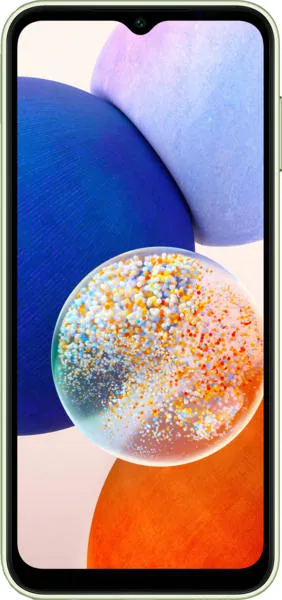
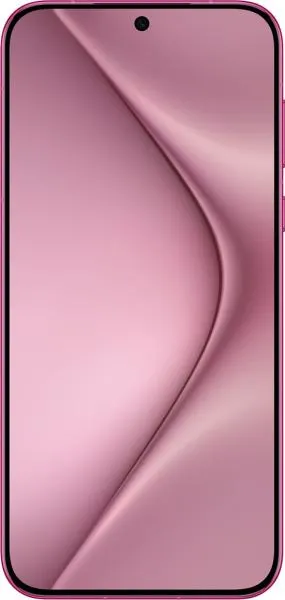
| Feature | Samsung Galaxy A14 | Huawei Pura 70 | Practical Impact |
|---|---|---|---|
| Design | |||
| Dimensions (mm) | 167.7 x 78 x 9.1 | 157.6 x 74.3 x 8 | Huawei Pura 70 is noticeably smaller and thinner, making it more pocketable and comfortable to hold. |
| Weight (g) | 201 | 207 | Negligible weight difference; both phones are relatively lightweight. |
| Build | Material information missing for both; can't compare durability or premium feel. | ||
| Display | |||
| Display Type | PLS LCD | LTPO OLED | OLED offers significantly better contrast, deeper blacks, and wider viewing angles compared to LCD. |
| Display Size (inches) | 6.6 | 6.6 | Same size; offers similar screen real-estate. |
| Resolution (px) | 1080 x 2408 | 1256 x 2760 | Huawei Pura 70 has a sharper display due to higher resolution, resulting in clearer text and images. |
| Refresh Rate (Hz) | Not specified | 120 | 120Hz refresh rate on the Huawei Pura 70 delivers smoother animations and scrolling compared to a standard 60Hz likely on the A14. |
| Peak Brightness (nits) | Not specified | 2500 | Higher peak brightness on the Huawei Pura 70 ensures better visibility in direct sunlight. |
| Performance | |||
| Chipset | Mediatek Helio G80 | Kirin 9000S1 | Kirin 9000S1 is a significantly more powerful chipset, offering much better performance in demanding tasks and gaming. |
| CPU | Octa-core (2x2.0 GHz Cortex-A75 & 6x1.8 GHz Cortex-A55) | Octa-core | Specific core configuration missing for Huawei, but Kirin 9000S1 is expected to be considerably faster. |
| RAM (GB) | 4 | 12 | Significantly more RAM on Huawei allows for smoother multitasking and better performance with multiple apps open. |
| Storage (GB) | 128 | 512 | Huawei offers much larger storage capacity, allowing for storing more apps, photos, and videos. |
| Camera | |||
| Main Camera (MP) | 50 | 50 | Both have the same megapixel count, but sensor and lens quality are crucial for image quality and not fully detailed here. |
| Other Cameras | Macro, Depth, Selfie | Wide, Telephoto, Selfie | Huawei offers more versatile camera options with wide-angle and telephoto lenses. |
| Camera Features | Basic features | Advanced features including OIS and higher zoom capabilities | Huawei provides a more feature-rich camera experience, including optical image stabilization for steadier shots and better low-light performance. |
| Battery | |||
| Capacity (mAh) | 5000 | 4900 | Negligible difference in battery capacity. Real-world battery life depends on usage and optimization. |
| Fast Charging | 15W | 65W | Huawei offers significantly faster charging, minimizing downtime. |
2. Key Differences Analysis
Huawei Pura 70 Advantages:
- Significantly more powerful: Superior chipset, more RAM, and faster storage contribute to a smoother and faster user experience.
- Higher quality display: OLED technology, higher resolution, 120Hz refresh rate, and higher peak brightness deliver a superior visual experience.
- More versatile camera system: Wide-angle and telephoto lenses offer more shooting options. Optical image stabilization and faster aperture on the main lens suggest better low-light performance.
- Faster Charging: 65W fast charging significantly reduces charging time.
Samsung Galaxy A14 Advantages:
- Potentially lower price: Based on historical data and the "medium price" designation, the A14 is likely to be significantly cheaper.
3. User Profiles & Recommendations
Samsung Galaxy A14: Suitable for budget-conscious users who prioritize basic functionality like calling, texting, web browsing, and social media. Not recommended for demanding tasks like gaming or heavy multitasking.
Huawei Pura 70: Ideal for users who demand top-tier performance, a premium display, and a versatile camera system. Excellent for gaming, content creation, and multitasking.
4. Decision Framework
Key Questions for Buyers:
- What is your budget? The Huawei Pura 70 is likely significantly more expensive.
- What are your primary use cases? For basic tasks, the A14 might suffice. For demanding tasks and multimedia consumption, the Huawei is better.
- How important is display quality and camera versatility? The Huawei offers a vastly superior experience in these areas.
My Choice: Huawei Pura 70
While the price difference is significant, the Huawei Pura 70 offers a substantial upgrade in performance, display quality, camera capabilities, and charging speed. The superior user experience offered by the powerful chipset, high refresh rate display, and versatile camera system justifies the higher cost for me. I prioritize a smooth and responsive phone for multitasking, media consumption, and occasional gaming, making the Pura 70 a clear winner. The significantly faster charging is also a major plus. While the Samsung Galaxy A14 is a decent budget option, the compromises in performance and features are too significant compared to the Pura 70.
