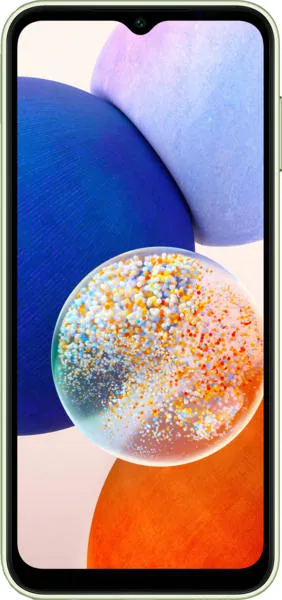
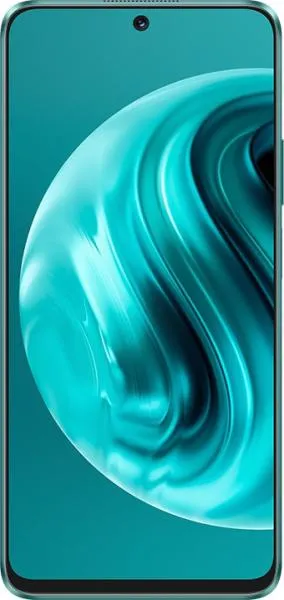
1. Specifications Comparison
| Feature | Samsung Galaxy A14 | Huawei nova 12i | Practical Impact |
|---|---|---|---|
| Design | |||
| Dimensions (mm) | 167.7 x 78 x 9.1 | 163.3 x 74.7 x 8.4 | Nova 12i is slightly smaller and thinner, potentially more pocketable. |
| Weight (g) | 201 | 199 | Negligible weight difference. |
| Display | |||
| Size (inches) | 6.6 | 6.7 | Nova 12i has a slightly larger screen. |
| Resolution (px) | 1080 x 2408 | 1080 x 2388 | Virtually identical resolutions; sharpness will be similar. |
| Type | PLS LCD | IPS LCD | Both are LCDs; expect similar color accuracy and viewing angles. |
| Refresh Rate (Hz) | Not specified | 90 | The 90Hz refresh rate on the Nova 12i will result in smoother scrolling and animations compared to the standard 60Hz expected on the A14 (though not explicitly stated). |
| Performance | |||
| Chipset | Mediatek Helio G80 (12 nm) | Qualcomm Snapdragon 680 4G (6 nm) | Snapdragon 680 is generally more power-efficient and offers better performance than the Helio G80. |
| CPU | Octa-core (2x2.0 GHz Cortex-A75 & 6x1.8 GHz Cortex-A55) | Octa-core (4x2.4 GHz Cortex-A73 & 4x1.9 GHz Cortex-A53) | Nova 12i's CPU architecture is more modern and likely to deliver superior performance in demanding tasks and multitasking. |
| RAM (GB) | 4/6 | 8 | Nova 12i offers significantly more RAM, enabling smoother multitasking and better handling of demanding apps. |
| GPU | Mali-G52 MC2 | Adreno 610 | Adreno 610 provides better gaming performance compared to the Mali-G52 MC2. |
| Camera | |||
| Main Camera (MP) | 50 | 108 | Nova 12i boasts a much higher resolution main camera, potentially capturing more detail. |
| Front Camera (MP) | 13 | 8 | A14 has a higher resolution front camera for selfies. |
| Video Recording | 1080p@30fps | 1080p@30fps | Identical video recording capabilities. |
| Battery | |||
| Capacity (mAh) | 5000 | 5000 | Identical battery capacities. |
| Fast Charging | 15W | 40W | Nova 12i supports significantly faster charging, minimizing downtime. |
2. Key Differences Analysis
Samsung Galaxy A14 Advantages:
- Potentially Lower Price: Depending on the specific RAM/storage configuration, the A14 might be more affordable.
- Higher Resolution Front Camera: Better for selfie enthusiasts.
Huawei nova 12i Advantages:
- Superior Performance: The Snapdragon 680, coupled with 8GB RAM, delivers a noticeably smoother and faster user experience.
- Higher Refresh Rate Display: The 90Hz display makes interactions feel more fluid.
- Faster Charging: Significantly reduced charging times with 40W fast charging.
- Higher Resolution Main Camera: Potentially better image quality in various scenarios.
Trade-offs:
- Huawei's Ecosystem: The Nova 12i might not have access to Google Mobile Services (GMS), impacting app availability and functionality. This is a significant consideration.
3. User Profiles & Recommendations
Samsung Galaxy A14: Budget-conscious users prioritizing basic smartphone functionality, casual photography, and longer battery life. Suitable for:
- Casual users: Primarily using social media, browsing, and making calls.
- Students: Needing a reliable device for communication and light productivity.
Huawei nova 12i: Users seeking a smooth and responsive experience with better performance, faster charging, and improved camera capabilities. Suitable for:
- Mobile gamers: Demanding better graphics and performance.
- Power users: Multitasking heavily and using demanding applications.
- Photography enthusiasts: Wanting higher resolution photos and more detailed shots.
4. Decision Framework
Key Questions:
- What is your budget? The A14 is likely to be cheaper.
- What is your priority? Performance and features (Nova 12i) or affordability (A14)?
- Are Google Mobile Services essential for you? This is crucial for the Nova 12i due to potential limitations.
My Choice: Huawei nova 12i
While acknowledging the potential GMS limitations of the Nova 12i (a major factor depending on the region and user's reliance on Google services), I would choose the Huawei nova 12i. The significant performance advantages (Snapdragon 680, 8GB RAM, 90Hz display), faster 40W charging, and the higher resolution main camera offer a substantially better user experience for my needs. I prioritize a smooth and responsive phone for multitasking, media consumption, and occasional gaming. The price difference, if moderate, is justifiable for the significant upgrade in overall user experience. However, if GMS unavailability is confirmed in my region, this would significantly impact my decision and potentially shift the favor towards the Samsung A14 depending on the severity of the limitations.
