1. Specifications Comparison
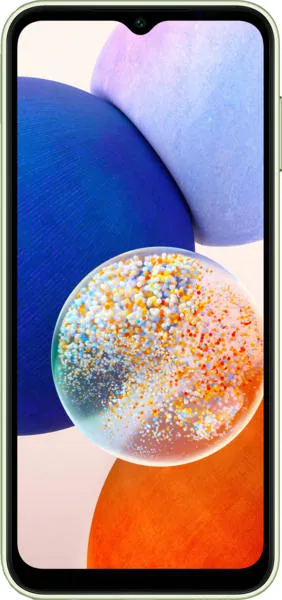
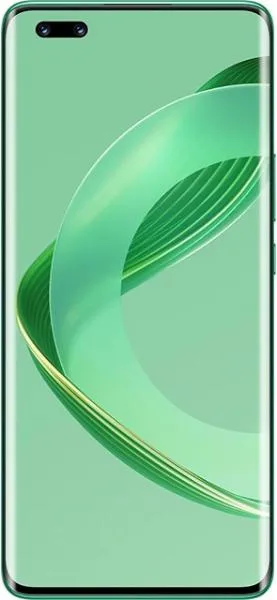
| Feature | Samsung Galaxy A14 | Huawei nova 11 Pro | Practical Impact |
|---|---|---|---|
| Design | |||
| Dimensions (mm) | 167.7 x 78 x 9.1 | 164.3 x 74.4 x 7.9 | Nova 11 Pro is slightly smaller and thinner, making it potentially more pocketable. |
| Weight (g) | 201 | 188 | Nova 11 Pro is noticeably lighter, improving one-handed use. |
| Build Material | Not specified | Not specified | Cannot compare build quality and durability without material information. |
| Display | |||
| Display Type | PLS LCD | OLED | OLED offers significantly better contrast, deeper blacks, and potentially higher brightness, resulting in a more vibrant viewing experience. |
| Display Size (inches) | 6.6 | 6.78 | Nova 11 Pro has a slightly larger display, providing more screen real estate. |
| Resolution | 1080 x 2408 | 1200 x 2652 | Nova 11 Pro has a sharper display with higher pixel density (429 ppi vs 400 ppi), resulting in crisper text and images. |
| Refresh Rate | Not specified | 120Hz | 120Hz refresh rate on the Nova 11 Pro delivers smoother animations and scrolling compared to a standard 60Hz likely on the A14 (though not explicitly stated). |
| Performance | |||
| Chipset | Mediatek Helio G80 | Qualcomm Snapdragon 778G 4G | Snapdragon 778G is significantly more powerful, enabling smoother multitasking, faster app loading, and better gaming performance. |
| CPU | Octa-core (2x2.0 GHz Cortex-A75 & 6x1.8 GHz Cortex-A55) | Octa-core (4x2.4 GHz Kryo 670 & 4x1.8 GHz Kryo 670) | Snapdragon 778G's Kryo 670 cores offer superior performance compared to the Helio G80's Cortex cores. |
| RAM | 4GB | 8GB | More RAM on the Nova 11 Pro allows for more apps to run in the background without performance slowdown. |
| Camera | |||
| Main Camera | 50MP | 50MP | Megapixel count is similar, but sensor and image processing differences (not detailed) will likely impact image quality. |
| Selfie Camera | 13MP | 60MP + 8MP Depth Sensor | Nova 11 Pro boasts a significantly higher resolution selfie camera and a dedicated depth sensor for improved portrait mode. |
| Video Recording | 1080p@30fps | 720p@960fps (Slow-mo), unspecified standard recording resolution. | While Nova 11 Pro offers impressive slow-motion capabilities, lack of standard video recording resolution information hinders a complete comparison. A14's 1080p@30fps is standard definition. |
| Battery | |||
| Capacity | 5000 mAh | 4500 mAh | Galaxy A14 has a larger battery capacity, potentially offering longer battery life. |
| Fast Charging | 15W | 100W | Nova 11 Pro supports significantly faster charging, minimizing downtime. |
2. Key Differences Analysis
Samsung Galaxy A14 Advantages:
- Longer Battery Life (Potentially): Larger 5000 mAh battery.
- Lower Price (Expected): Positioned in the medium price range, likely more affordable than the Nova 11 Pro.
Huawei nova 11 Pro Advantages:
- Significantly Superior Performance: Snapdragon 778G offers a much smoother and faster user experience.
- Higher Quality Display: OLED with 120Hz refresh rate provides vibrant colors, deeper blacks, and smooth scrolling.
- Faster Charging: 100W fast charging drastically reduces charging time.
- Enhanced Camera Features: Higher resolution selfie camera with depth sensor and impressive slow-motion video recording.
3. User Profiles & Recommendations
Samsung Galaxy A14: Budget-conscious users prioritizing basic functionality, long battery life, and affordability. Suitable for casual use like calling, texting, web browsing, and social media.
Huawei nova 11 Pro: Users who value performance, a premium display, fast charging, and advanced camera features. Ideal for demanding tasks like gaming, content creation, and photography.
4. Decision Framework
Key Questions for Buyers:
- What is your budget? The A14 likely offers better value for budget-conscious buyers.
- What are your primary smartphone usage patterns? Casual users might find the A14 sufficient, while power users will appreciate the Nova 11 Pro's performance.
- Which features are most important to you? Prioritize battery life with the A14 or display quality, performance, and camera with the Nova 11 Pro.
My Choice: Huawei nova 11 Pro
While lacking specific pricing for both models makes a definitive value assessment difficult, based on the available specifications, I would choose the Huawei nova 11 Pro. The significantly superior performance, higher quality display with a 120Hz refresh rate, incredibly fast 100W charging, and enhanced camera features outweigh the potential benefits of the A14's larger battery. The slightly smaller and lighter form factor of the Nova 11 Pro is also appealing. I prioritize a smooth and responsive user experience, vibrant visuals, and quick charging, and the Nova 11 Pro excels in these areas. I am willing to accept a potentially higher price and slightly smaller battery for these advantages. The lack of OS information for the Nova 11 Pro is a concern, however, and should be investigated before committing to a purchase. If it lacks access to Google Mobile Services, this could significantly impact the app ecosystem and user experience.
