1. Specifications Comparison
| Feature | Category | Samsung Galaxy A14 | Google Pixel 8a | Practical Impact |
|---|---|---|---|---|
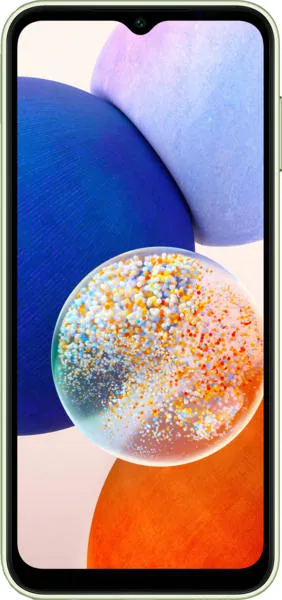
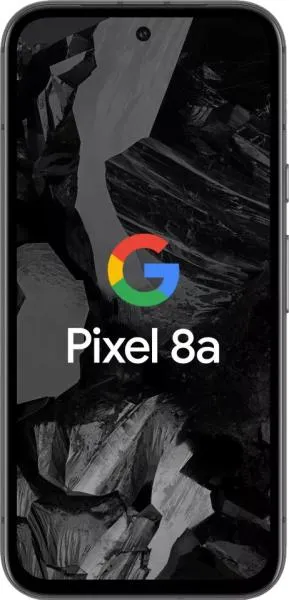
| Dimensions | Design | 167.7 x 78 x 9.1 mm, 201g | 152.1 x 72.7 x 8.9 mm, 188g | Pixel 8a is noticeably smaller and lighter, making it more pocketable and comfortable for one-handed use. |
| Display | Display | 6.6" PLS LCD, 1080x2408, 400ppi | 6.1" OLED, 1080x2400, 430ppi, 120Hz | Pixel 8a offers a more vibrant, power-efficient display with smoother animations and scrolling thanks to the higher refresh rate and OLED technology. A14's LCD might be brighter in direct sunlight. Missing color depth and HDR info limits analysis. |
| Chipset | Performance | Mediatek Helio G80 (12nm) | Google Tensor G3 (4nm) | Tensor G3 offers significantly better performance, efficiency, and AI capabilities compared to the Helio G80. This translates to smoother multitasking, faster app loading, and better gaming performance on the Pixel 8a. |
| CPU | Performance | Octa-core (2x2.0 GHz Cortex-A75 & 6x1.8 GHz Cortex-A55) | Nona-core (1x3.0 GHz Cortex-X3 & 4x2.45 GHz Cortex-A715 & 4x2.15 GHz Cortex-A510) | Pixel 8a's more modern and powerful CPU architecture provides a significant performance advantage in demanding tasks. |
| RAM | Performance | 4GB/6GB | 8GB | More RAM in Pixel 8a allows for better multitasking and smoother performance with multiple apps open. |
| OS | Software | Android 13 | Android 14, guaranteed updates to 21 | Pixel 8a runs a newer OS version out-of-the-box and will receive longer software updates, ensuring security and feature updates for a longer period. |
| Main Camera | Camera | 50MP, f/1.8 | 64MP, f/1.89, Sony IMX787, OIS | Pixel 8a has a larger sensor with OIS, likely resulting in better low-light performance and sharper images. Missing sensor size on A14 makes detailed comparison difficult. |
| Video Recording | Camera | 1080p@30fps | Up to 4K@60fps with OIS | Pixel 8a offers superior video recording capabilities with higher resolution and frame rates, along with stabilization for smoother footage. |
| Battery | Battery | 5000mAh, 15W fast charging | 4500mAh, 18W fast charging | While the A14 has a slightly larger battery capacity, the Pixel 8a's more efficient chip might result in comparable battery life. Pixel has slightly faster charging. |
| USB | Connectivity | USB Type-C 2.0 | USB Type-C 3.2 | Pixel 8a's USB 3.2 offers significantly faster data transfer speeds compared to the A14's USB 2.0. |
2. Key Differences Analysis
Pixel 8a Advantages:
- Significantly better performance: The Tensor G3 chip and more RAM provide a vastly superior user experience for demanding tasks and gaming.
- Superior camera: Larger sensor with OIS and advanced processing capabilities will likely produce better images and videos.
- Longer software support: Guaranteed updates to Android 21 ensure security and new features for years to come.
- More premium display: OLED technology offers vibrant colors, deep blacks, and better power efficiency. The 120Hz refresh rate makes for a smoother user experience.
- Faster data transfer: USB 3.2 significantly speeds up file transfers.
Samsung Galaxy A14 Advantages:
- Potentially longer battery life: Larger battery capacity might result in longer usage time, although this depends on real-world usage patterns.
3. User Profiles & Recommendations
Pixel 8a: Users who prioritize performance, camera quality, software updates, and a premium display experience. Ideal for gaming, photography, and demanding tasks.
Samsung Galaxy A14: Budget-conscious users who prioritize battery life and basic functionality. Suitable for light usage, social media, and web browsing.
4. Decision Framework
Key Questions for Buyers:
- What is your budget? The Pixel 8a is significantly more expensive.
- What are your primary use cases? Gaming, photography, and multitasking benefit from the Pixel 8a's performance.
- How important are software updates and long-term support? The Pixel 8a offers much longer support.
Scenario-Based Recommendations:
- Limited Budget, Basic Usage: Samsung Galaxy A14
- Performance and Camera Focused: Google Pixel 8a
My Choice: Google Pixel 8a
While the Samsung Galaxy A14 offers a larger battery and a lower price, the Google Pixel 8a is the superior device overall. The significantly improved performance, superior camera system, OLED display with 120Hz, longer software support, and faster USB connectivity make it a much more compelling option for the long term. The price difference is justified by the significant upgrades in key areas that impact daily usage. Even if battery life is slightly shorter, the overall user experience on the Pixel 8a will be far more enjoyable and future-proof.
