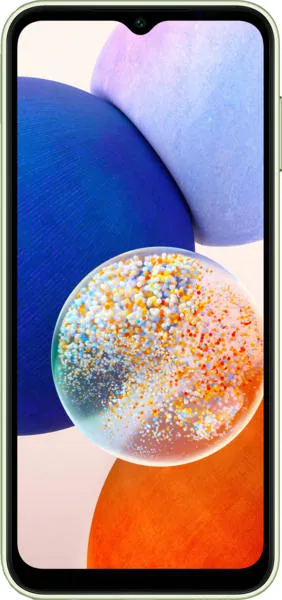
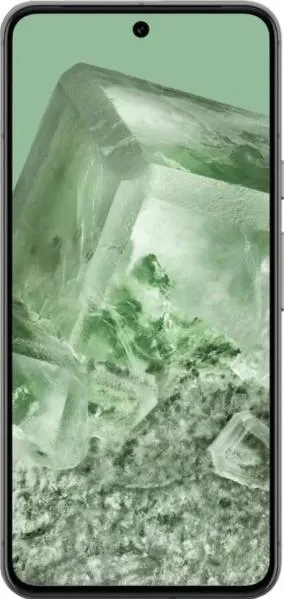
1. Specifications Comparison
| Feature | Samsung Galaxy A14 | Google Pixel 8 | Practical Impact |
|---|---|---|---|
| Design | |||
| Dimensions (mm) | 167.7 x 78 x 9.1 | 150.5 x 70.8 x 8.9 | Pixel 8 is significantly more compact and easier to handle one-handed. |
| Weight (g) | 201 | 187 | Pixel 8 is noticeably lighter. |
| Build Material | Unspecified | Unspecified | Material differences can impact durability and premium feel; information is lacking here. |
| Display | |||
| Display Type | PLS LCD | OLED | Pixel 8's OLED offers superior contrast, deeper blacks, and potentially better power efficiency. |
| Size (inches) | 6.6 | 6.2 | A14 offers a larger screen for media consumption, while the Pixel 8 is more pocketable. |
| Resolution | 1080 x 2408 | 1080 x 2408 | Identical resolution, but Pixel 8's smaller size results in a higher pixel density (sharper image). |
| Refresh Rate | Unspecified | 120Hz | Pixel 8's 120Hz provides smoother scrolling and animations for a more fluid user experience. A14's refresh rate is unknown. |
| Performance | |||
| Chipset | Mediatek Helio G80 (12nm) | Google Tensor G3 (4nm) | Tensor G3 is significantly more powerful, enabling faster performance, better multitasking, and AI capabilities. |
| CPU | Octa-core (2x2.0 GHz Cortex-A75 & 6x1.8 GHz Cortex-A55) | Nona-core (1x3.0 GHz Cortex-X3 & 4x2.45 GHz Cortex-A715 & 4x2.15 GHz Cortex-A510) | Pixel 8's CPU offers a substantial performance advantage for demanding tasks and gaming. |
| RAM | 4GB | 8GB | Pixel 8's larger RAM allows for smoother multitasking and app switching. |
| OS | Android 13 | Android 14 | Pixel 8 has the latest Android version with newer features and longer security updates guaranteed until Android 21. |
| Camera | |||
| Main Camera | 50MP | 50MP (Samsung GNV Sensor) | While both have 50MP, the Pixel 8 likely benefits from Google's superior image processing. Sensor details for A14 are missing. |
| Video Recording | 1080p@30fps | Up to 4K@60fps with HDR, OIS, EIS | Pixel 8 offers significantly better video recording capabilities with higher resolution, frame rates, and stabilization. |
| Battery | |||
| Capacity | 5000mAh | 4575mAh | A14 has a slightly larger battery capacity, potentially offering longer battery life. |
| Fast Charging | 15W | 27W | Pixel 8 supports significantly faster charging. |
2. Key Differences Analysis
Pixel 8 Advantages:
- Significantly more powerful: The Tensor G3 chip provides a huge performance leap over the Helio G80, resulting in a smoother and more responsive user experience.
- Superior Display: The 120Hz OLED display provides vibrant colors, deep blacks, and smooth animations.
- Better Camera System: Expected superior image quality and video recording capabilities thanks to the advanced sensor and Google's image processing algorithms.
- Faster Charging: 27W fast charging significantly reduces downtime compared to the A14's 15W.
- Software Updates: Guaranteed updates to Android 21 ensure the phone stays secure and up-to-date for longer.
A14 Advantages:
- Larger Battery: Potentially longer battery life.
- Larger Display: More screen real estate for media consumption.
- Lower Price: Expected to be significantly cheaper than the Pixel 8.
3. User Profiles & Recommendations
Pixel 8: Users who prioritize performance, camera quality, a premium display, and timely software updates. Ideal for demanding tasks, gaming, photography, and videography.
A14: Budget-conscious users who prioritize battery life and a large screen for media consumption. Suitable for basic tasks, web browsing, and casual gaming.
4. Decision Framework
Key Questions for Buyers:
- What is your budget? The Pixel 8 is significantly more expensive.
- What are your primary use cases? (e.g., gaming, photography, social media)
- How important are performance and software updates?
Scenario-Based Recommendations:
- Limited Budget, Basic Usage: A14
- Power User, Photography Enthusiast: Pixel 8
- Balance of Price and Performance: Consider other mid-range options, potentially with better specifications than the A14.
My Choice: Google Pixel 8
While the Samsung Galaxy A14 might offer a larger battery and display, the Pixel 8's significant advantages in performance, camera quality, display technology (OLED with 120Hz), and software support make it the clear winner for me. The Tensor G3 chip, coupled with Google's AI capabilities and guaranteed Android updates, promises a much more future-proof and enjoyable user experience. I prioritize a smooth and responsive phone, excellent camera performance, and long-term software support, making the Pixel 8 a better fit for my needs, despite the higher price. The more compact form factor is also a plus.
