1. Specifications Comparison
| Feature | Samsung Galaxy A14 | Asus ROG Phone 8 Pro | Practical Impact |
|---|---|---|---|
| Design | |||
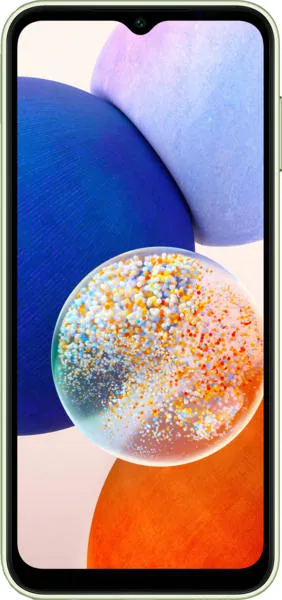
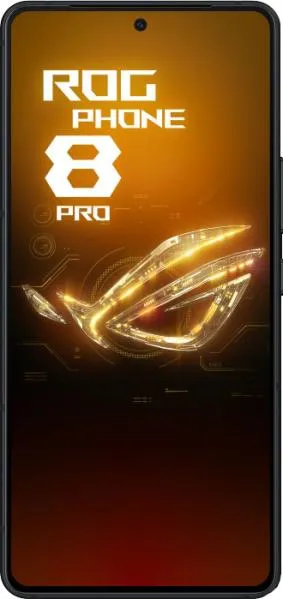
| Dimensions (mm) | 167.7 x 78 x 9.1 | 163.8 x 76.8 x 8.9 | ROG Phone 8 Pro is slightly shorter, narrower, and thinner. Negligible difference in daily use. |
| Weight (g) | 201 | 225 | ROG Phone 8 Pro is noticeably heavier, potentially impacting long-term comfort. |
| Build Material | Unspecified | Unspecified | Material differences could impact durability and premium feel; information lacking. |
| Display | |||
| Display Type | PLS LCD | LTPO AMOLED | AMOLED offers significantly better contrast, color accuracy, and power efficiency. |
| Display Size (inches) | 6.6 | 6.78 | ROG Phone 8 Pro has a slightly larger display, providing more screen real estate. |
| Resolution (px) | 1080 x 2408 | 1080 x 2448 | Virtually identical resolution; sharpness will be similar on both devices. |
| Refresh Rate (Hz) | Unspecified | 165 | Higher refresh rate on ROG Phone 8 Pro delivers smoother animations and scrolling. A major advantage for gaming and overall UI responsiveness. |
| Peak Brightness (nits) | Unspecified | 2500 | Higher peak brightness on the ROG Phone 8 Pro ensures better visibility in direct sunlight. Missing spec for the A14 limits comparison. |
| Performance | |||
| Chipset | Mediatek Helio G80 (12nm) | Qualcomm Snapdragon 8 Gen 3 (4nm) | Snapdragon 8 Gen 3 provides significantly faster CPU and GPU performance, enabling demanding gaming and multitasking. |
| CPU | Octa-core (2x2.0 GHz Cortex-A75 & 6x1.8 GHz Cortex-A55) | Octa-core (1x3.3 GHz Cortex-X4 & 3x3.2 GHz Cortex-A720 & 2x3.0 GHz Cortex-A720 & 2x2.3 GHz Cortex-A520) | ROG Phone 8 Pro has a much more powerful and modern CPU architecture. |
| GPU | Mali-G52 MC2 | Adreno 750 | Adreno 750 offers drastically improved graphics performance for high-end gaming and demanding applications. |
| RAM (GB) | 4 | 24 | Massively more RAM on the ROG Phone 8 Pro allows for extreme multitasking and keeping numerous apps open in the background without performance slowdown. |
| Storage (GB) | 128 | 1000 | ROG Phone 8 Pro offers far more storage for apps, photos, videos, and games. |
| Camera | |||
| Main Camera (MP) | 50 | 50 | Megapixel count is similar, but sensor quality and other features likely differ. |
| Other Cameras | Macro, Depth, Selfie | Wide, Telephoto, Selfie | ROG Phone 8 Pro offers a more versatile camera system with a dedicated telephoto lens. |
| Video Recording | 1080p@30fps | 8K@24fps, 4K@60fps | ROG Phone 8 Pro offers significantly higher video resolution and frame rates. |
| Battery | |||
| Capacity (mAh) | 5000 | 6000 | ROG Phone 8 Pro has a larger battery, potentially offering longer battery life. |
| Fast Charging (W) | 15 | 65 | ROG Phone 8 Pro supports significantly faster charging, minimizing downtime. |
2. Key Differences Analysis
Samsung Galaxy A14 Advantages:
- Potentially Lower Price: A14 likely falls in a more budget-friendly price bracket.
Asus ROG Phone 8 Pro Advantages:
- Superior Performance: Significantly faster processor, GPU, and more RAM for demanding tasks and gaming.
- Better Display: AMOLED technology offers vibrant colors, deep blacks, and higher refresh rate for a smoother experience.
- Faster Charging: Charges much faster, reducing downtime.
- More Versatile Camera System: Telephoto lens enables optical zoom, and higher video recording capabilities.
- Larger Storage: More space for apps, files, and media.
3. User Profiles & Recommendations
Samsung Galaxy A14: Budget-conscious users who prioritize basic communication, social media, and light web browsing. Not recommended for demanding tasks or gaming.
Asus ROG Phone 8 Pro: Power users, mobile gamers, and content creators who demand top-tier performance, a premium display, and advanced camera features.
4. Decision Framework
Key Questions for Buyers:
- What is your budget? The ROG Phone 8 Pro is significantly more expensive.
- What are your primary use cases? Basic tasks vs. gaming, content creation, etc.
- How important is display quality and performance?
My Choice: Asus ROG Phone 8 Pro
While significantly more expensive, the ROG Phone 8 Pro offers a vastly superior user experience across the board. Its flagship-level performance, stunning AMOLED display with a high refresh rate, faster charging, and versatile camera system make it a clear winner for my needs. As someone who values a smooth and responsive user experience, the performance difference alone justifies the higher price. The A14, while potentially more affordable, compromises too much on key areas that impact daily usage. I would prioritize long-term satisfaction over initial cost savings.
