
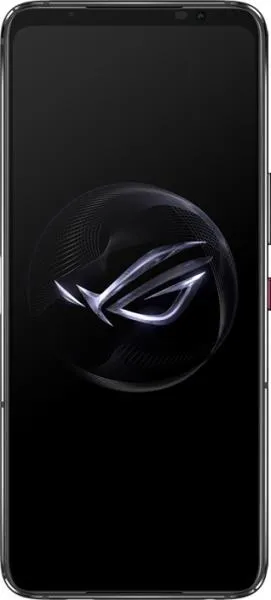
1. Specifications Comparison
| Feature | Samsung Galaxy A14 | Asus ROG Phone 7 | Practical Impact |
|---|---|---|---|
| Design | |||
| Dimensions (mm) | 167.7 x 78 x 9.1 | 173 x 77 x 10.3 | ROG Phone 7 is slightly larger and noticeably thicker. |
| Weight (g) | 201 | 239 | ROG Phone 7 is significantly heavier, impacting one-handed use and portability. |
| Build Material | Not specified | Not specified | Build quality and durability are unclear without material information. |
| Display | |||
| Display Type | PLS LCD | AMOLED | AMOLED offers superior contrast, deeper blacks, and potentially better power efficiency. |
| Display Size (inches) | 6.6 | 6.78 | ROG Phone 7 has a slightly larger display, providing more screen real estate. |
| Resolution (px) | 1080 x 2408 | 1080 x 2448 | Nearly identical resolution; minimal practical difference in sharpness. |
| Refresh Rate (Hz) | Not specified | 165 | 165Hz on the ROG Phone 7 delivers significantly smoother scrolling, animations, and gaming experience. A14's refresh rate is unknown but likely 60Hz, resulting in a less fluid experience. |
| Peak Brightness (nits) | Not specified | 1500 | ROG Phone 7's much higher peak brightness ensures excellent outdoor visibility. A14's unspecified brightness may struggle in sunlight. |
| Performance | |||
| Chipset | Mediatek Helio G80 (12 nm) | Qualcomm Snapdragon 8 Gen 2 (4 nm) | Snapdragon 8 Gen 2 offers vastly superior CPU and GPU performance, enabling demanding gaming, multitasking, and faster app loading. |
| CPU | Octa-core (2x2.0 GHz Cortex-A75 & 6x1.8 GHz Cortex-A55) | Octa-core (1x3.2 GHz Cortex-X3 & ...) | ROG Phone 7's CPU architecture is significantly more powerful and efficient. |
| RAM (GB) | 4/6 | 12/16 | ROG Phone 7 offers substantially more RAM, enabling smoother multitasking and preventing app closures in the background. |
| Storage (GB) | 128 | 256/512 | ROG Phone 7 provides more storage options for apps, media, and files. |
| Camera | |||
| Main Camera (MP) | 50 | 50 | Megapixel count is similar, but sensor quality and other factors (aperture, pixel size) are not fully specified for comparison. |
| Video Recording | 1080p@30fps | 8K@24fps | ROG Phone 7 supports much higher video resolution and frame rates. |
| Battery | |||
| Capacity (mAh) | 5000 | 6000 | ROG Phone 7's larger battery capacity likely translates to longer battery life. |
| Fast Charging (W) | 15 | 65 | ROG Phone 7 supports significantly faster charging, minimizing downtime. |
2. Key Differences Analysis
Samsung Galaxy A14 Advantages:
- Potentially Lower Price: Belongs to a medium price range, making it more affordable.
Asus ROG Phone 7 Advantages:
- Significantly Higher Performance: Superior CPU, GPU, and more RAM for demanding tasks and gaming.
- Superior Display: AMOLED with 165Hz refresh rate and higher brightness.
- Larger Battery with Faster Charging: Longer battery life and significantly reduced charging time.
- Enhanced Camera Capabilities: Higher video resolution and frame rates.
- More Storage Options: Greater capacity for storing apps, media, and files.
3. User Profiles & Recommendations
Samsung Galaxy A14: Budget-conscious users who prioritize basic smartphone functionalities like calling, texting, web browsing, and social media.
Asus ROG Phone 7: Gamers, power users, and content creators who demand top-tier performance, a smooth display, and fast charging.
4. Decision Framework
Key Questions for Buyers:
- What is your budget? The A14 is significantly more affordable.
- What are your primary use cases? The ROG Phone 7 excels in demanding tasks and gaming.
- How important is battery life and charging speed? The ROG Phone 7 offers a larger battery and much faster charging.
My Choice: Asus ROG Phone 7
While significantly more expensive, the ROG Phone 7 is the clear winner for me. The Snapdragon 8 Gen 2, coupled with ample RAM and the 165Hz AMOLED display, delivers a vastly superior user experience. The performance difference would be noticeable in everyday use, from app loading speeds to multitasking fluidity. The significantly faster charging and larger battery are also huge benefits in my fast-paced life. While the A14 offers good value for its price, the ROG Phone 7's performance and feature set justify the premium for my needs. I prioritize a smooth and responsive experience, which the ROG Phone 7 unequivocally delivers.
