1. Specifications Comparison
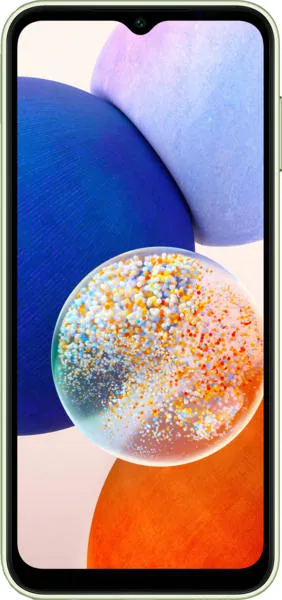
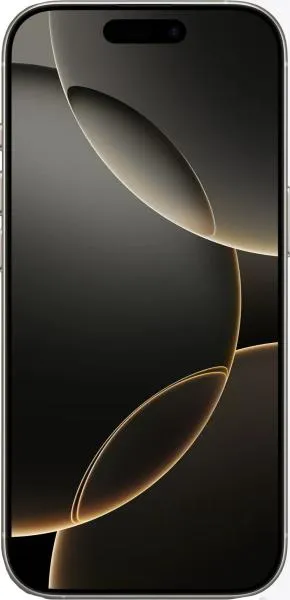
| Feature | Samsung Galaxy A14 | Apple iPhone 16 Pro | Practical Impact |
|---|---|---|---|
| Design | |||
| Dimensions (mm) | 167.7 x 78 x 9.1 | 149.6 x 71.5 x 8.3 | iPhone 16 Pro is significantly smaller and more pocketable. |
| Weight (g) | 201 | 199 | Negligible weight difference. |
| Build Material | Not specified | Not specified | Cannot compare build quality and durability. |
| Display | |||
| Display Type | PLS LCD | LTPO Super Retina XDR OLED | iPhone's OLED offers superior contrast, deeper blacks, and potentially better power efficiency due to LTPO. |
| Display Size (inches) | 6.6 | 6.3 | A14 has a slightly larger screen for more immersive content consumption. |
| Resolution (pixels) | 1080 x 2408 | 1206 x 2622 | iPhone has a sharper display with higher pixel density (460 vs 400 ppi). |
| Refresh Rate (Hz) | Not specified | 120 | iPhone 16 Pro's 120Hz offers smoother scrolling and animations. |
| Performance | |||
| Chipset | Mediatek Helio G80 (12nm) | Apple A18 Pro (3nm) | A18 Pro is significantly more powerful, enabling smoother multitasking, faster app loading, and better gaming performance. |
| CPU | Octa-core (2x2.0 GHz Cortex-A75 & 6x1.8 GHz Cortex-A55) | Hexa-core (2x4.05 GHz + 4x2.42 GHz) | iPhone's CPU boasts higher clock speeds and a more advanced architecture. |
| RAM (GB) | 4 | 8 | iPhone has double the RAM, allowing for more apps to run in the background without performance degradation. |
| Camera | |||
| Main Camera (MP) | 50 | 48 | Megapixel count doesn't tell the whole story; image quality depends on sensor size, aperture, and processing. iPhone utilizes a larger sensor (1/1.3"). |
| Front Camera (MP) | 13 | 12 | Similar resolution; practical difference depends on image processing. |
| Video Recording | 1080p@30fps | Up to 4K@120fps with HDR | iPhone offers significantly superior video recording capabilities with higher resolution, frame rates, and HDR. |
| Battery | |||
| Capacity (mAh) | 5000 | 3582 | Galaxy A14 has a larger battery capacity, potentially offering longer battery life. |
| Fast Charging | 15W | 25W | iPhone 16 Pro supports faster charging. |
2. Key Differences Analysis
Samsung Galaxy A14 Advantages:
- Larger Battery: Potentially longer battery life.
- Larger Display: More immersive for media consumption.
- Lower Price: Significantly more affordable.
Apple iPhone 16 Pro Advantages:
- Significantly More Powerful: Smoother performance in all tasks.
- Superior Display: Higher resolution, refresh rate, and OLED technology.
- Advanced Camera System: Higher quality photos and videos with more features.
- Faster Charging: Less downtime.
Trade-offs:
- Battery Life vs. Performance: A14 prioritizes battery life with a larger battery but less powerful processor, while iPhone 16 Pro offers superior performance at the cost of potential battery life.
- Price vs. Features: A14 offers basic features at an affordable price, while iPhone 16 Pro provides cutting-edge technology at a premium price.
3. User Profiles & Recommendations
Samsung Galaxy A14:
- Ideal User: Budget-conscious users who prioritize basic functionality, long battery life, and a large screen for media consumption. Students, casual users, or those on a tight budget.
- Use Cases: Web browsing, social media, casual gaming, video streaming.
Apple iPhone 16 Pro:
- Ideal User: Users who demand the best performance, latest technology, a premium camera system, and a smooth user experience. Professionals, power users, content creators, mobile gamers.
- Use Cases: Demanding applications, professional photography/videography, mobile gaming, multitasking.
4. Decision Framework
Key Questions for Buyers:
- What is your budget? The iPhone 16 Pro is significantly more expensive.
- What are your primary use cases? Basic tasks vs. demanding applications and content creation.
- How important is battery life to you? The A14 likely offers longer battery life, while the iPhone 16 Pro charges faster.
My Choice: Apple iPhone 16 Pro
While the Samsung Galaxy A14 offers excellent value for its price, I would choose the Apple iPhone 16 Pro. The significantly improved performance, superior display, advanced camera system, and the overall ecosystem of Apple products are compelling. The smoother user experience and future-proofing provided by the powerful A18 Pro chip are worth the premium price for me. While battery life might be a concern, the faster charging mitigates this somewhat. I prioritize performance and a premium user experience, making the iPhone 16 Pro the better choice for my needs.
