1. Specifications Comparison
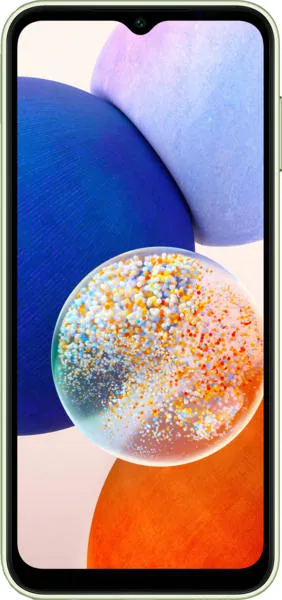
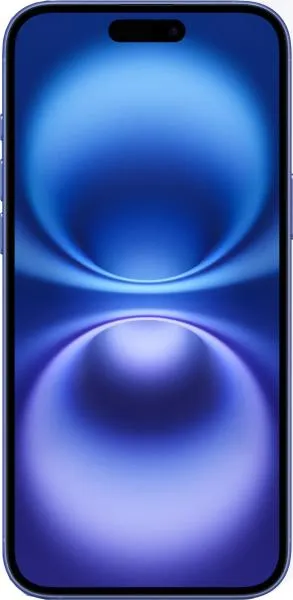
| Feature | Samsung Galaxy A14 | Apple iPhone 16 Plus | Practical Impact |
|---|---|---|---|
| Design | |||
| Dimensions (mm) | 167.7 x 78 x 9.1 | 160.9 x 77.8 x 7.8 | iPhone 16 Plus is slightly smaller and thinner, making it potentially more pocketable. |
| Weight (g) | 201 | 199 | Negligible weight difference. |
| Build Material | Not specified | Not specified | Cannot compare build quality and durability without material information. |
| Display | |||
| Display Type | PLS LCD | Super Retina XDR OLED | iPhone's OLED offers superior contrast, deeper blacks, and potentially better power efficiency. Samsung's LCD might be brighter in direct sunlight. |
| Size (inches) | 6.6 | 6.7 | iPhone has a slightly larger screen. |
| Resolution | 1080 x 2408 | 1290 x 2796 | iPhone has a significantly sharper display with higher pixel density (460 ppi vs 405 ppi), resulting in crisper text and images. |
| Refresh Rate | Not specified | Not specified | Cannot compare smoothness of scrolling and animations without refresh rate information. |
| HDR | No Dolby Vision | Dolby Vision | iPhone supports Dolby Vision for a wider range of colors and dynamic range in compatible content. |
| Performance | |||
| Chipset | Mediatek Helio G80 (12nm) | Apple A18 (3nm) | A18 is significantly more powerful, enabling smoother multitasking, faster app loading, and better gaming performance. |
| CPU | Octa-core (2x2.0 GHz Cortex-A75 & 6x1.8 GHz Cortex-A55) | Hexa-core (2x4.04 GHz + 4x2.20 GHz) | iPhone's CPU boasts higher clock speeds and a more advanced architecture, translating to a significant performance advantage. |
| GPU | Mali-G52 MC2 | Apple GPU (5-core) | iPhone's GPU is expected to be considerably more powerful, providing a superior gaming and graphics-intensive application experience. |
| RAM | 4GB | 8GB | iPhone has double the RAM, allowing for more apps to run in the background without performance degradation. |
| Camera | |||
| Main Camera | 50MP | 48MP | While Samsung has a higher megapixel count, iPhone's larger sensor (1/1.3") and wider aperture (f/1.6) likely result in better low-light performance and depth of field. |
| Video Recording | 1080p@30fps | Up to 4K@60fps with HDR | iPhone offers significantly higher video resolution and frame rates, along with HDR support for richer video quality. |
| Battery | |||
| Capacity | 5000 mAh | 4674 mAh | While Samsung has a slightly larger battery, real-world battery life depends on optimization and usage patterns. iPhone's more efficient chip could offset the smaller battery capacity. |
| Fast Charging | 15W | 25W | iPhone supports faster charging. |
2. Key Differences Analysis
Samsung Galaxy A14 Advantages:
- Potentially Lower Price: A14 falls in the "medium price" range, and likely significantly cheaper than the iPhone 16 Plus.
- Larger Battery Capacity: Might offer longer battery life depending on usage.
Apple iPhone 16 Plus Advantages:
- Significantly Higher Performance: A18 chip offers superior processing power for demanding tasks and gaming.
- Superior Display: OLED technology with Dolby Vision provides richer colors and deeper blacks. Higher resolution leads to sharper visuals.
- Better Camera System: Larger sensor, wider aperture, and advanced features like cinematic mode offer superior image and video quality.
- Faster Charging: 25W fast charging enables quicker top-ups.
- More polished software and ecosystem integration.
Trade-offs:
- Price: iPhone 16 Plus is significantly more expensive.
- Operating System: Preference for iOS vs. Android is subjective.
3. User Profiles & Recommendations
Samsung Galaxy A14: Budget-conscious users prioritizing basic smartphone functionality (calling, texting, social media) and long battery life.
Apple iPhone 16 Plus: Users prioritizing performance, premium display, high-quality camera, and seamless integration with the Apple ecosystem. Ideal for demanding tasks, gaming, content creation, and media consumption.
4. Decision Framework
Key Questions for Buyers:
- What is your budget? The price difference is significant.
- What are your primary smartphone use cases? (e.g., basic communication, gaming, photography)
- Do you prefer iOS or Android?
My Choice: Apple iPhone 16 Plus
While the Samsung Galaxy A14 offers a larger battery and lower price, the iPhone 16 Plus provides a significantly superior overall user experience. The A18 chip's performance advantage, combined with the OLED display, higher quality camera, and faster charging, justifies the higher price for me. I prioritize a smooth, responsive user experience, high-quality media consumption, and a capable camera, making the iPhone 16 Plus the clear winner. The long-term software support and ecosystem integration offered by Apple also contribute to the decision. While battery life is a concern, I am willing to bet on Apple's chip efficiency to potentially offset the smaller battery capacity.
