1. Specifications Comparison
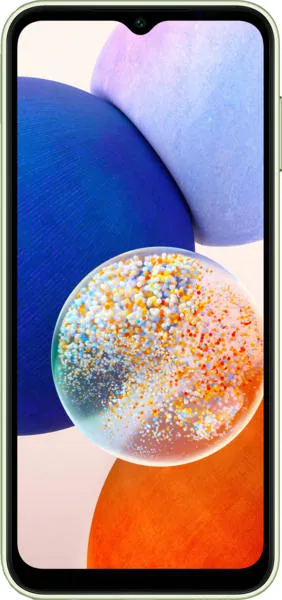
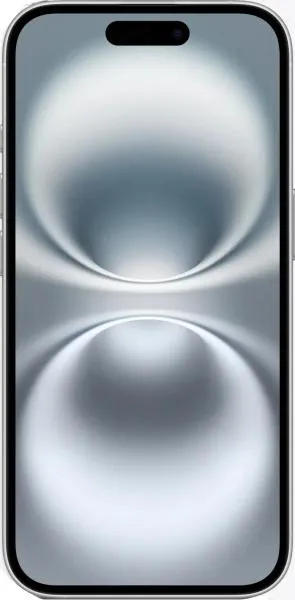
| Feature | Samsung Galaxy A14 | Apple iPhone 16 | Practical Impact |
|---|---|---|---|
| Design | |||
| Dimensions (mm) | 167.7 x 78 x 9.1 | 147.6 x 71.6 x 7.8 | iPhone 16 is significantly smaller and more pocketable. |
| Weight (g) | 201 | 170 | iPhone 16 is noticeably lighter, reducing hand fatigue. |
| Build Material | Not specified | Not specified | Cannot compare build quality and durability without material information. |
| Display | |||
| Display Type | PLS LCD | Super Retina XDR OLED | iPhone 16's OLED offers superior contrast, deeper blacks, and potentially better power efficiency. |
| Size (inches) | 6.6 | 6.1 | A14 offers a larger screen for media consumption, but iPhone 16 is more one-hand friendly. |
| Resolution | 1080 x 2408 | 1179 x 2556 | iPhone 16 has a sharper display with higher pixel density (460 ppi vs 400 ppi), resulting in crisper text and images. |
| HDR | No | HDR10, Dolby Vision | iPhone 16 supports HDR content, resulting in a more dynamic and visually appealing viewing experience. |
| Performance | |||
| Chipset | Mediatek Helio G80 (12nm) | Apple A18 (3nm) | A18 is significantly more powerful, enabling smoother multitasking, faster app loading, and better gaming performance. 3nm fabrication suggests superior power efficiency. |
| CPU | Octa-core (2x2.0 GHz Cortex-A75 & 6x1.8 GHz Cortex-A55) | Hexa-core (2x4.04 GHz + 4x2.20 GHz) | iPhone 16's CPU boasts higher clock speeds and likely a more advanced architecture, translating to significantly faster processing. |
| RAM | 4GB/6GB | 8GB | More RAM on the iPhone 16 allows for more apps to run in the background without performance degradation. |
| GPU | Mali-G52 MC2 | Apple GPU (5-core) | iPhone 16's GPU is expected to provide a substantial leap in graphics performance, crucial for demanding games and AR applications. |
| Camera | |||
| Main Camera | 50MP | 48MP (Sony IMX904) | While A14 has higher megapixels, iPhone's sensor and processing generally produce superior image quality. Specific sensor model on iPhone allows for more informed analysis. |
| Video Recording | 1080p@30fps | Up to 4K@60fps with HDR | iPhone 16 offers significantly higher resolution and frame rate video recording with HDR, resulting in more detailed and vibrant videos. |
| Features | Basic features | Cinematic Mode, Pro Video Mode, Sensor-shift OIS | iPhone 16 boasts more advanced camera features for professional-grade video recording and enhanced stabilization. |
| Battery | |||
| Capacity (mAh) | 5000 | 3561 | While the A14 has a larger battery capacity, real-world battery life depends on software optimization and chip efficiency. iPhone's A18 chip's efficiency could offset the smaller battery. |
| Fast Charging | 15W | 25W | iPhone 16 supports faster charging, reducing downtime. |
2. Key Differences Analysis
Samsung Galaxy A14 Advantages:
- Larger Display: Better for media consumption and multitasking, but potentially less pocketable.
- Potentially Longer Battery Life: Larger battery capacity, but real-world usage depends on various factors.
Apple iPhone 16 Advantages:
- Significantly Faster Performance: A18 Bionic chip provides a massive performance advantage for demanding tasks and gaming.
- Superior Display Quality: OLED offers better contrast, colors, and HDR support.
- More Advanced Camera System: Higher quality sensor, better video recording capabilities, and advanced features like Cinematic Mode.
- Premium Build (Expected): iPhones generally feature high-quality build materials, though this cannot be confirmed without specifics.
- Faster Charging: Reduced charging time compared to A14.
Trade-offs:
- Price: iPhone 16 is considerably more expensive.
- Battery Capacity: iPhone 16 has a smaller battery capacity, though A18 efficiency could mitigate this.
3. User Profiles & Recommendations
Samsung Galaxy A14: Budget-conscious users who prioritize a large display and long battery life for basic tasks like web browsing, social media, and casual gaming.
Apple iPhone 16: Users who demand top-tier performance, a premium display, and an advanced camera system. Ideal for power users, gamers, content creators, and those seeking a flagship experience.
4. Decision Framework
Key Questions for Buyers:
- What is your budget? The iPhone 16 is significantly more expensive.
- What are your primary use cases? Basic tasks vs. demanding applications, gaming, content creation.
- Which features are most important to you? Display quality, performance, camera, battery life.
Scenario-Based Recommendations:
- Limited Budget, Basic Use: Samsung Galaxy A14
- Demanding User, High Budget: Apple iPhone 16
- Balance of Performance and Value: Consider upper-midrange Android options (information not provided).
My Choice: Apple iPhone 16
While the Samsung Galaxy A14 offers a larger battery and display, the iPhone 16's superior performance, advanced camera system, stunning display, and faster charging make it the clear winner for me. I prioritize a smooth and responsive user experience, high-quality visuals, and the ability to capture stunning photos and videos. The significant performance gap between the A18 Bionic and the Helio G80 is a deciding factor, as it future-proofs the device for demanding applications and ensures a lag-free experience for years to come. I'm willing to pay the premium for the iPhone 16's comprehensive advantages and the refined user experience offered by iOS. The smaller battery capacity is a concern, but the A18's efficiency might deliver comparable real-world battery life.
