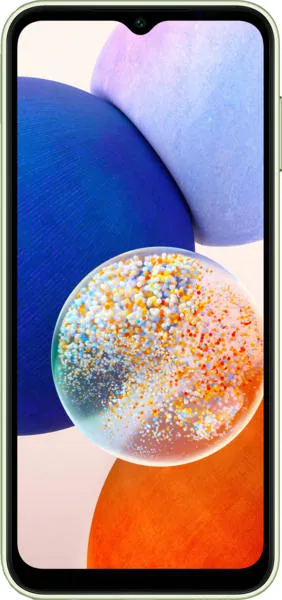
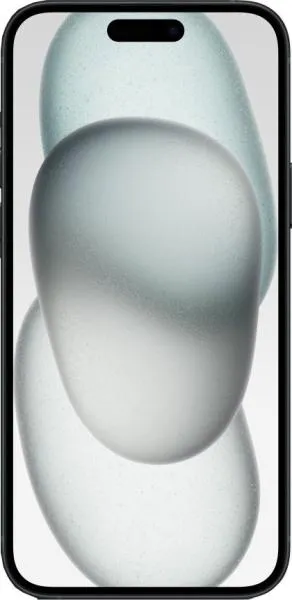
1. Specifications Comparison
| Feature | Samsung Galaxy A14 | Apple iPhone 15 Plus | Practical Impact |
|---|---|---|---|
| Design | |||
| Dimensions (mm) | 167.7 x 78 x 9.1 | 160.9 x 77.8 x 7.8 | iPhone 15 Plus is slightly smaller and thinner, making it potentially more pocketable. |
| Weight (g) | 201 | 201 | Both phones weigh the same. |
| Build Material | Not specified | Aluminum & Glass | iPhone's premium materials generally offer better durability and a more premium feel. Lack of specification for A14 limits comparison. |
| Display | |||
| Display Type | PLS LCD | Super Retina XDR OLED | iPhone's OLED offers significantly better contrast, deeper blacks, and wider viewing angles, resulting in a superior visual experience. |
| Display Size (inches) | 6.6 | 6.7 | Negligible difference in screen real estate. |
| Resolution (px) | 1080 x 2408 | 1290 x 2796 | iPhone has a sharper display with higher pixel density (460 ppi vs 400 ppi), leading to clearer text and images. |
| Peak Brightness (nits) | Not specified | 2000 | iPhone's higher peak brightness ensures better visibility in direct sunlight. Missing A14 data limits full comparison. |
| Performance | |||
| Chipset | Mediatek Helio G80 (12 nm) | Apple A16 Bionic (4 nm) | A16 is significantly more powerful, enabling smoother multitasking, faster app loading, and better gaming performance. |
| CPU | Octa-core (2x2.0 GHz Cortex-A75 & 6x1.8 GHz Cortex-A55) | Hexa-core (2x3.46 GHz Everest + 4x2.02 GHz Sawtooth) | A16's architecture and higher clock speeds provide a substantial performance advantage. |
| GPU | Mali-G52 MC2 | Apple GPU (5-core graphics) | iPhone's GPU offers superior graphics performance for demanding games and applications. |
| RAM (GB) | 4 | 6 | More RAM on the iPhone allows for more apps to run in the background without performance slowdown. |
| Camera | |||
| Main Camera (MP) | 50 | 48 | While A14 has a higher megapixel count, iPhone's larger sensor, advanced image processing, and wider aperture (f/1.6 vs f/1.8) likely result in better overall image quality, especially in low light. |
| Video Recording | 1080p@30fps | Up to 4K@60fps with HDR, Dolby Vision | iPhone offers significantly higher resolution and frame rate video recording with HDR and Dolby Vision for superior dynamic range and color accuracy. |
| Battery | |||
| Capacity (mAh) | 5000 | 4383 | While A14 has a larger battery capacity, iPhone's energy-efficient A16 chip may result in comparable or even better battery life. Real-world usage will vary. |
| Fast Charging | 15W | 20W | iPhone supports faster charging. |
2. Key Differences Analysis
Samsung Galaxy A14 Advantages:
- Potentially longer battery life: Larger battery capacity might offer longer usage time, though this depends on real-world usage patterns.
- Lower price: The A14 is significantly more affordable.
Apple iPhone 15 Plus Advantages:
- Significantly higher performance: The A16 Bionic chip delivers a much smoother and faster user experience.
- Superior display: The OLED display provides vibrant colors, deep blacks, and excellent viewing angles.
- Better camera system: Larger sensor, wider aperture, and advanced image processing capabilities result in superior image and video quality.
- Premium build quality: Aluminum and glass construction offers durability and a more premium feel.
- Longer software support: Apple typically provides software updates for a longer period than Samsung for its mid-range devices.
Trade-offs:
- Price: The iPhone 15 Plus is significantly more expensive.
- Battery Capacity: While potentially offering similar battery life due to chip efficiency, the iPhone has a smaller battery capacity on paper.
3. User Profiles & Recommendations
Samsung Galaxy A14: Budget-conscious users who prioritize basic functionality, long battery life, and affordability. Ideal for:
- Casual users primarily using their phone for calling, texting, and social media.
- Users on a tight budget.
Apple iPhone 15 Plus: Users who prioritize performance, premium design, a high-quality camera, and a long software update cycle. Ideal for:
- Power users who demand smooth multitasking and fast app loading.
- Mobile gamers and content creators.
- Users who value a premium and durable device.
4. Decision Framework
Key Questions for Buyers:
- What is your budget? The iPhone 15 Plus commands a significantly higher price.
- What are your primary phone usage patterns? Casual users might find the A14 sufficient, while power users will appreciate the iPhone's performance.
- How important are camera quality and display quality to you? The iPhone excels in both areas.
My Choice: Apple iPhone 15 Plus
While the Samsung Galaxy A14 offers good value for its price, the iPhone 15 Plus's superior performance, display, camera, and long-term software support make it a more compelling choice for me. The A16 Bionic chip ensures a smooth and future-proof experience, while the OLED display provides a significant visual upgrade. Although the price is higher, the overall user experience and longevity offered by the iPhone 15 Plus justify the investment in my opinion. I prioritize performance and long-term value over marginal battery capacity differences. The A14's lack of specific details on build and display brightness further hinders its competitiveness.
