1. Specifications Comparison
| Feature | Samsung Galaxy A14 | Apple iPhone 15 | Practical Impact |
|---|---|---|---|
| Design | |||
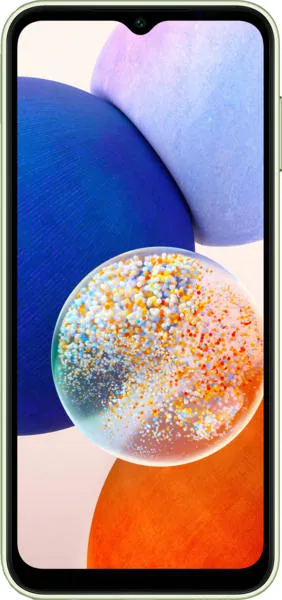
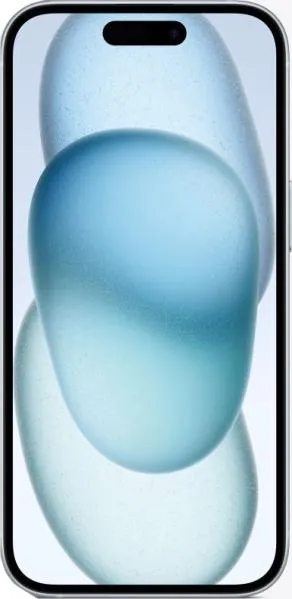
| Dimensions (mm) | 167.7 x 78 x 9.1 | 147.6 x 71.6 x 7.8 | iPhone 15 is significantly smaller and more pocketable. |
| Weight (g) | 201 | 171 | iPhone 15 is noticeably lighter for comfortable one-handed use. |
| Build | Plastic | Aluminum & Glass | iPhone 15 offers a more premium feel and potentially better durability. |
| Display | |||
| Display Type | PLS LCD | Super Retina XDR OLED | iPhone 15's OLED provides superior contrast, deeper blacks, and wider viewing angles. |
| Size (inches) | 6.6 | 6.1 | A14 offers a larger screen for media consumption; iPhone 15 prioritizes portability. |
| Resolution (px) | 1080 x 2408 | 1179 x 2556 | iPhone 15 boasts sharper visuals due to higher pixel density (461 vs 400 ppi). |
| Peak Brightness (nits) | Not specified | 2000 | iPhone 15's display is significantly brighter, ensuring better outdoor visibility. Missing A14 brightness limits comparison. |
| HDR | No | HDR10, Dolby Vision | iPhone 15 supports HDR content for a more dynamic viewing experience. |
| Performance | |||
| Chipset | Mediatek Helio G80 (12 nm) | Apple A16 Bionic (4 nm) | A16 is significantly more powerful, resulting in smoother multitasking, faster app loading, and better gaming performance. |
| CPU | Octa-core (2x2.0 GHz Cortex-A75 & 6x1.8 GHz Cortex-A55) | Hexa-core (2x3.46 GHz Everest + 4x2.02 GHz Sawtooth) | iPhone 15's CPU offers significantly faster processing speeds. |
| GPU | Mali-G52 MC2 | Apple GPU (5-core graphics) | iPhone 15's GPU provides a major leap in graphics performance for demanding games and applications. |
| RAM | 4GB | 6GB | More RAM in iPhone 15 allows for smoother multitasking and less frequent app reloading. |
| OS | Android 13 | iOS 17 | OS preference is subjective; both offer the latest features of their respective ecosystems. |
| Camera | |||
| Main Camera (MP) | 50 | 48 | Despite lower resolution, iPhone 15's larger sensor, wider aperture (f/1.6 vs f/1.8), and advanced image processing likely result in superior image quality. |
| Video Recording | 1080p@30fps | Up to 4K@60fps with HDR, Dolby Vision | iPhone 15 offers significantly better video recording capabilities with higher resolution, frame rates, and HDR support. |
| Battery | |||
| Capacity (mAh) | 5000 | 3877 (Rumored, Spec sheet says 3349) | A14 boasts a larger battery capacity suggesting longer battery life; real-world usage may vary. iPhone spec sheet discrepancy noted. |
| Fast Charging | 15W | 20W | iPhone 15 charges faster. |
2. Key Differences Analysis
Samsung Galaxy A14 Advantages:
- Larger Display: Better for media consumption and multitasking.
- Potentially Longer Battery Life: Larger battery capacity suggests longer usage between charges. Real-world testing needed due to iPhone spec sheet discrepancy.
Apple iPhone 15 Advantages:
- Significantly Faster Performance: A16 Bionic chip provides a huge performance advantage for demanding tasks and gaming.
- Superior Display Quality: OLED screen offers richer colors, deeper blacks, and better viewing angles.
- More Premium Design: Smaller, lighter, and built with higher quality materials.
- Advanced Camera System: Expected to produce better quality photos and videos due to larger sensor, wider aperture, and superior image processing.
3. User Profiles & Recommendations
Samsung Galaxy A14: Budget-conscious users prioritizing a large display and long battery life for basic tasks like browsing, social media, and casual gaming.
Apple iPhone 15: Users who prioritize performance, premium design, a high-quality camera, and seamless integration with the Apple ecosystem. Suitable for demanding tasks, mobile gaming, and content creation.
4. Decision Framework
Key Questions for Buyers:
- What is your budget? The iPhone 15 is significantly more expensive.
- What are your performance needs? For demanding tasks and gaming, the iPhone 15 is far superior.
- Which ecosystem do you prefer? Android or iOS?
My Choice: Apple iPhone 15
While the Samsung Galaxy A14 offers a larger battery and display, the iPhone 15's superior performance, premium design, stunning display, and advanced camera system make it the clear winner for me. The A16 Bionic chip offers a significant leap in performance that dramatically improves the overall user experience. Although the A14's larger battery is appealing, the iPhone 15's overall feature set aligns better with my needs for a fast, responsive, and capable device. The higher price tag is justified by the significant performance and feature upgrades.
