
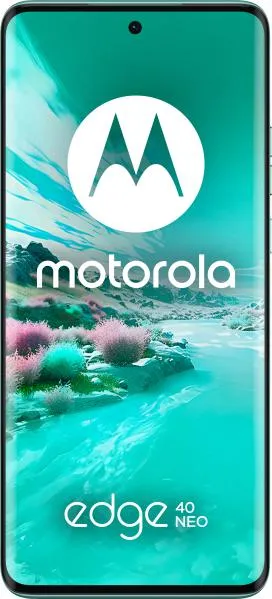
Okay, let's dive deep into this comparison of the Samsung Galaxy A14 5G and the Motorola Edge 40 Neo. It's a classic showdown between a budget contender and a mid-range marvel, and as always, the devil is in the details.
1. Specifications Breakdown
Here's a detailed comparison table, focusing on the practical implications of each spec:
| Feature | Samsung Galaxy A14 5G | Motorola Edge 40 Neo | Real-World Implications |
|---|---|---|---|
| DESIGN | |||
| Dimensions | 167.7 x 78 x 9.1 mm | 159.6 x 72 x 7.9 mm | The Edge 40 Neo is more compact, making it pocket-friendly and easier to handle. |
| Weight | 202g | 170g | Edge 40 Neo feels lighter, which is noticeable during extended use. |
| Build | Unknown | Corning Gorilla Glass 3 | Edge 40 Neo likely offers better screen protection. |
| DISPLAY | |||
| Size | 6.6" | 6.55" | Barely a noticeable difference; both offer large viewing areas. |
| Resolution | 1080 x 2408 | 1080 x 2400 | Practically identical sharpness. |
| PPI | 400 | 402 | Very similar pixel density, which makes for similarly sharp screens. |
| Technology | PLS LCD | P-OLED | Edge 40 Neo’s OLED offers richer colors, deeper blacks, and better viewing angles. |
| Refresh Rate | 90Hz | 144Hz | Edge 40 Neo delivers noticeably smoother scrolling and animations. |
| Brightness | 0 nits | 1300 nits | Edge 40 Neo is dramatically better for outdoor use in bright sunlight. |
| PERFORMANCE | |||
| Chipset | Exynos 1330 (5nm) | Dimensity 7030 (6nm) | Edge 40 Neo will feel snappier in everyday tasks. |
| AnTuTu Score | 412,200 | 527,666 | Edge 40 Neo offers a noticeable speed advantage. |
| GPU | Mali-G68 MP2 (MC4) | Mali-G610 MC3 | Edge 40 Neo's graphics will perform slightly better in gaming. |
| CAMERA | |||
| Standard Rear | 50MP f/1.8 | 50MP f/1.8 (1/1.55", OV50A) | Edge 40 Neo's larger sensor and sensor model likely means superior image quality, especially in low light. |
| Selfie Camera | 13MP f/2.0 | 32MP f/2.4 | Edge 40 Neo's higher resolution promises more detailed selfies. |
| Portrait Mode | 2MP f/2.4 | None | Galaxy A14 5G includes dedicated depth camera for portraits. |
| Macro Lens | 2MP f/2.4 | None | Galaxy A14 5G has a dedicated macro lens for close up photography. |
| Wide Angle + Macro | None | 13MP f/2.2 | Edge 40 Neo provides extra shooting options, including wide-angle shots. |
| Video Recording | 1080p@30fps | Up to 4K@30fps, 1080p@120/240 | Edge 40 Neo offers high-res recording, and better image stabilization. |
| DXOMark | N/A | 103 | Edge 40 Neo has better camera based on tests. |
| Camera Features | Triple camera, OIS | Dual camera, OIS | Edge 40 Neo offers an additional feature: RAW |
| BATTERY LIFE | |||
| Capacity | 5000mAh | 5000mAh | Similar battery capacity; both should last a full day with typical use. |
| Charging | 15W Fast Charging | 68W Fast Charging | Edge 40 Neo charges much faster, allowing for quick top-ups. |
| SOFTWARE & CONNECTIVITY | |||
| Operating System | Android 13 (up to 14) | Android 13 (up to 15) | Edge 40 Neo will receive one additional OS update. |
| Wi-Fi | Wi-Fi 5 | Wi-Fi 6 | Edge 40 Neo will support faster network connections. |
| Bluetooth | 5.2 | 5.4 | Edge 40 Neo has newer standard, possibly improved stability, and additional codecs. |
| SIM | Nano SIM + Nano SIM | Nano SIM + eSIM | Edge 40 Neo has an eSIM and digital carrier switching. |
| STORAGE & AUDIO | |||
| Internal Storage | 64 GB/128 GB | 256 GB | Edge 40 Neo has significantly more storage capacity. |
| RAM | 4 GB / 6 GB | 8 GB / 12 GB | Edge 40 Neo handles multitasking and demanding apps much better. |
| Audio Quality | Dolby Atmos, Dolby Digital Plus | Dolby Atmos, Stereo Speakers, 2 mics | Edge 40 Neo's stereo speakers provide a more immersive audio experience. |
| SECURITY | |||
| Security | Side-mounted fingerprint | Basic fingerprint sensor | Galaxy A14 5G has a better security feature. |
| SENSORS | Accelerometer, Gyroscope, Proximity | Accelerometer, Compass, Gyroscope, Proximity | The Edge 40 Neo has the additional feature of a Compass. |
2. Key Insights
Samsung Galaxy A14 5G:
- Strengths: This phone is a budget-friendly option with a large screen, good battery life, and a decent main camera. It also offers a dedicated macro and portrait mode lens.
- Competitive Advantage: It’s an entry-level 5G phone that gets the basics right, like a full day of battery life, which is important for many users.
- Trade-offs: The Galaxy A14 5G uses an LCD screen, a slower processor, and slower charging and doesn't have much internal storage.
Motorola Edge 40 Neo:
- Strengths: The Edge 40 Neo boasts a superior P-OLED display with a 144Hz refresh rate, a more powerful processor, faster charging, and a better camera setup. It also has a much larger internal storage.
- Competitive Advantage: This phone is a strong mid-ranger, outperforming the A14 5G in nearly every aspect.
- Trade-offs: It is more expensive than the A14 5G and does not include dedicated lenses for macro or portrait.
3. User Profiles and Recommendations
Samsung Galaxy A14 5G:
- Best For: Budget-conscious users who need a large screen, long battery life, and are primarily focused on basic smartphone tasks like browsing, calls, and casual photography.
- Use Cases: Great for students, seniors, and anyone who wants a reliable, affordable phone.
- Price-to-Value: It's very affordable, making it a good option for those on a tight budget.
Motorola Edge 40 Neo:
- Best For: Users who value a premium display, fast performance, quick charging, and good camera quality. It is also good for media consumption and gaming due to the 144Hz refresh rate and high-quality screen.
- Use Cases: Ideal for those who frequently use their phone for social media, streaming, gaming, and high-quality photos and videos.
- Price-to-Value: It offers excellent value for its mid-range price, outperforming many competitors in the same bracket.
4. Buying Decision Framework
Here are three questions to guide your decision:
- What's your budget? If you're on a tight budget, the A14 5G is a good starting point. If you can afford to spend a bit more, the Edge 40 Neo offers significantly better value.
- How important is display quality and performance? If you prioritize a smooth, vibrant display and snappy performance for multimedia, gaming, or app use, the Edge 40 Neo is the clear winner.
- What are your primary use cases? If you're primarily using your phone for basic tasks, the A14 5G does the job. For more demanding usage like content creation, gaming, and enjoying media, the Edge 40 Neo shines.
Scenario-Based Recommendations:
- Budget-Conscious User: Choose the Samsung Galaxy A14 5G for basic functionality at a low price.
- Multimedia Enthusiast: Go for the Motorola Edge 40 Neo for a better screen, enhanced performance, and a high-quality camera.
- Gaming Aficionado: The Motorola Edge 40 Neo is the superior option, offering better processing power and a 144Hz refresh rate.
My Choice
If I were choosing between these two phones, I would definitively go with the Motorola Edge 40 Neo. While the Samsung Galaxy A14 5G is a solid budget option, the Edge 40 Neo offers a far superior user experience that is worth the extra cost. The faster processor, 144Hz P-OLED display, and quick charging are all huge advantages. The enhanced camera capabilities, larger storage, and better connectivity make it a much more versatile and future-proof device. The difference in day-to-day use would be very noticeable.
