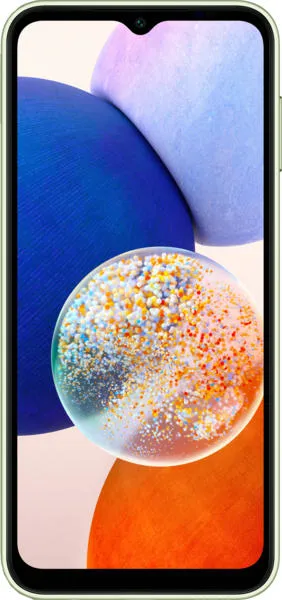
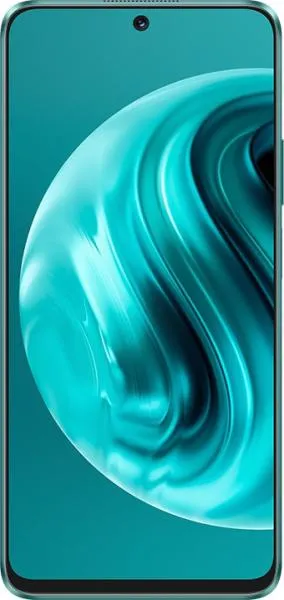
Alright, let's dive into a head-to-head comparison of the Samsung Galaxy A14 5G and the Huawei nova 12i. I'm going to break down the specs, give you the real-world implications, and help you figure out which of these phones might be the right fit for you.
1. Specifications Breakdown
| Feature | Samsung Galaxy A14 5G | Huawei nova 12i | Real-World Implications |
|---|---|---|---|
| Design | |||
| Dimensions (mm) | 167.7 × 78 × 9.1 | 163.3 × 74.7 × 8.4 | A14 5G is slightly larger and thicker, may feel less comfortable in hand for some. Nova 12i is more compact and easier to pocket. |
| Weight (g) | 202 | 199 | Virtually identical weight, both feel quite substantial. |
| Display | |||
| Size (inches) | 6.6 | 6.7 | Nova 12i has a negligibly larger screen for slightly more immersive content consumption. |
| Resolution | 1080x2408 | 1080x2388 | Very similar resolutions, both offer sharp visuals. Minimal difference in pixel count. |
| Pixel Density (PPI) | 400 | 391 | Almost identical sharpness; both appear crisp in regular use. |
| Technology | PLS LCD | IPS LCD | IPS LCD (Nova 12i) offers superior viewing angles and color accuracy compared to PLS LCD (A14 5G). |
| Refresh Rate (Hz) | 90 | 90 | Both offer the same smoothness when scrolling and navigating. |
| Performance | |||
| Chipset | Exynos 1330 (5 nm) | Snapdragon 680 4G (6 nm) | Exynos 1330 offers better overall performance, including faster app loading and smoother operation. |
| AnTuTu Score | 412,200 | 289,000 | Samsung A14 5G has significantly better benchmark performance, translates to a snappier daily user experience. |
| GPU | Mali-G68 MP2 | Adreno 610 | Exynos' GPU (A14 5G) is more powerful, which matters for gaming and graphical performance. |
| Camera | |||
| Main Camera (MP) | 50 (f/1.8) | 108 (f/1.9) | Nova 12i has a significantly higher resolution sensor, allowing for more detail in shots, though aperture is slightly less wide. |
| Selfie Camera (MP) | 13 (f/2.0) | 8 (f/2.0) | A14 5G’s selfie cam captures more detail due to the higher pixel count. |
| Portrait/Depth Lens | 2MP (f/2.4) | 2MP (f/2.4) | Identical depth sensors, expect similar performance for portrait mode effects. |
| Macro Lens | 2MP (f/2.4) | None | A14 5G offers a dedicated macro lens for close-up shots, while Nova 12i lacks this feature. |
| Video | 1080p@30fps | 1080p@30fps | Both capture videos at the same resolution and framerate. A14 5G offers more slow-motion capabilities at 120fps. |
| Camera Features | 4K, Stabilization, Night Mode, Triple Camera | PDAF, Continuous Shooting, Dual Camera | Samsung A14 5G has advanced features like 4K recording and Night Mode. Huawei nova 12i has PDAF and continuous shooting mode. |
| Battery Life | |||
| Capacity (mAh) | 5000 | 5000 | Both have similar battery capacities, meaning they should last a similar length under regular usage. |
| Charging Speed (W) | 15W | 40W | Nova 12i has much faster charging, meaning less downtime waiting to get back to 100%. |
| Software | |||
| OS Version | Android 13, max 14 | Android 14 | A14 5G has a clear path to future updates, while the OS version on the Huawei is unknown. |
| Connectivity | |||
| WiFi | 802.11ac | 802.11ac | Both support modern dual-band WiFi standards. |
| Bluetooth | 5.2 LE | 5.0 LE | A14 5G has the newer Bluetooth version, which may offer slightly better performance. Nova 12i supports LDAC, SBC and AAC codecs. |
| GPS | GPS, A-GPS, GLONASS, Beidou, Galileo | GPS, A-GPS, GLONASS, Beidou, QZSS, Galileo | Huawei has slightly better location accuracy thanks to the inclusion of QZSS support. |
| Storage & Memory | |||
| Internal Storage (GB) | 64/128 | 128/256 | Nova 12i offers double the storage space in its highest variant. |
| RAM (GB) | 4/6 | 8 | Nova 12i has more RAM, better for heavy multitasking and gaming performance. |
| Expandable Storage | No | No | Neither phone has expandable storage, so buy the storage capacity you need. |
| Audio | |||
| Quality | Dolby Atmos, Dolby Digital Plus | Basic audio features | A14 5G delivers better audio with Dolby Atmos and Digital Plus support for enhanced spatial and surround sound. |
| Security | |||
| Fingerprint Sensor | Side-mounted | Side-mounted | Both have side-mounted fingerprint sensors for fast and reliable unlocking. |
| Sensors | |||
| Sensors | Fingerprint, Proximity, Accelerometer, Gyroscope | Fingerprint, Accelerometer, Compass, Ultrasonic Proximity | Both have all the needed sensors. Samsung additionally has gyroscope and proximity. Huawei has a compass and an ultrasonic proximity sensor. |
2. Key Insights
Samsung Galaxy A14 5G:
- Strengths: The Galaxy A14 5G stands out with its superior performance thanks to the Exynos 1330 chipset and a better GPU. It also has the upper hand when it comes to the selfie camera and offers a macro lens.
- Competitive Advantages: Better processing power, a more capable selfie camera, the inclusion of a macro lens, and Dolby Atmos audio support are big wins for the A14.
- Trade-offs: It lacks the faster charging speed and has lower storage and less RAM than the Nova 12i. The display also uses PLS LCD technology, which is not as good as IPS LCD.
Huawei nova 12i:
- Strengths: The nova 12i offers a larger screen with better display technology (IPS LCD), faster charging, more RAM, and more storage. Its main camera has higher resolution.
- Competitive Advantages: Faster 40W charging, more storage/RAM, a better display (IPS LCD), a larger screen, and a higher resolution main camera are key selling points.
- Trade-offs: It has lower benchmark scores, meaning performance is less smooth. It also has a lower resolution selfie camera.
3. User Profiles and Recommendations
Samsung Galaxy A14 5G:
- Best Suited For: Users who prioritize performance and a smoother experience, as well as those who enjoy taking selfies and experimenting with macro photography.
- Use Cases: Gaming, multitasking, demanding applications, and users who heavily use their front-facing camera.
- Value: Good value for those seeking robust performance on a budget.
Huawei nova 12i:
- Best Suited For: Users who value larger screens with excellent color accuracy and viewing angles, require ample storage, and want the convenience of faster charging.
- Use Cases: Media consumption (watching videos, browsing), users who take a lot of pictures with the main camera, and general usage without much gaming.
- Value: Good value for those looking for a bigger screen, a better display, more storage, and faster charging.
4. Buying Decision Framework
Here are three key questions to consider when deciding between these phones:
Performance or Features?
- If you want the snappiest performance and gaming, the A14 5G with its Exynos chipset is the way to go. If you value a better display and faster charging over raw power, the Nova 12i is better.
Storage and RAM or Camera?
- If you're worried about running out of storage and RAM, the Nova 12i’s 8GB RAM and up to 256GB of storage are preferable. However, if you want a more detailed selfie camera and macro lens, the A14 5G is the better choice.
Display Quality or Convenience?
- Do you prefer slightly larger screens with better colors and viewing angles? If so, the Nova 12i’s IPS LCD is the better option. Alternatively, if you value more features such as 4K video recording and better low light photography, then the A14 5G is a better option
Scenario-Based Recommendations:
- For Gamers: The Samsung Galaxy A14 5G's more capable processor and GPU make it the clear winner for smooth gaming.
- For Heavy Media Users: The Huawei nova 12i offers a slightly larger, higher quality display, making it ideal for watching videos and reading.
- For Social Media Enthusiasts: The A14 5G provides more detailed selfies and the inclusion of a macro lens offers more creative freedom.
- For Everyday Users: The nova 12i with faster charging, more storage and a better display is better for general everyday use.
My Choice
For me, I'd lean towards the Samsung Galaxy A14 5G. While the Huawei nova 12i has the appeal of faster charging and a slightly better display, the performance difference is what matters most to me. As someone who uses my phone for everything, including the occasional mobile game and photo editing, the Exynos chipset and better GPU of the A14 5G offer the smooth experience I want. I also appreciate the inclusion of a macro lens and the slightly better selfie camera. The lower storage is a bit of a hit, but it's a sacrifice I'm willing to make for more processing power and features.
Ultimately, though, both are solid contenders in the budget category. It comes down to which set of priorities matters most to you.
