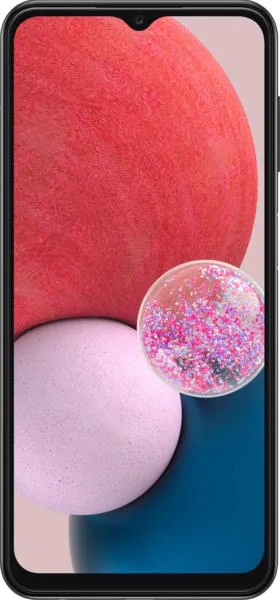
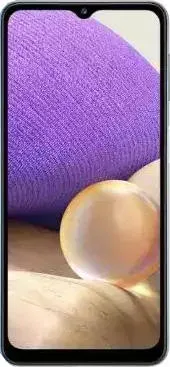
Samsung Galaxy A13 vs. Samsung Galaxy M33: A User-Centered Comparison
Let's dive into a comparative analysis of the Samsung Galaxy A13 and the Samsung Galaxy M33, focusing on the user experience rather than just raw specifications. We'll weave a narrative around their features to understand how these devices fit into different lifestyles.
1. Design and Usability Assessment:
| Feature | Samsung Galaxy A13 | Samsung Galaxy M33 | User Experience Impact |
|---|---|---|---|
| Interface Design | PLS LCD | TFT LCD, 120Hz | The M33's 120Hz refresh rate offers a significantly smoother and more responsive visual experience, benefiting users who enjoy gaming or simply appreciate fluid scrolling and animations. |
| Interaction Flow | Standard Android 12 | Standard Android 12 | Both offer a familiar Android experience. However, the M33's faster processor (Exynos 1280) will likely result in snappier app loading and multitasking, improving overall flow. |
| Accessibility | Fingerprint sensor | Fingerprint sensor | Both devices feature a side-mounted fingerprint sensor, providing convenient and secure unlocking. |
| Ergonomics | 195g | 198g | Negligible weight difference; both phones should feel comfortable in hand for most users. |
2. Narrative-Driven Feature Exploration:
Scenario: Imagine two users: a college student named Maria and a young professional named David.
Maria, with a tighter budget, is drawn to the A13. She primarily uses her phone for social media, browsing, and casual photography. The A13's 5000mAh battery ensures she can stay connected throughout the day without worrying about charging. While the Exynos 850 processor handles everyday tasks efficiently, it might show some limitations with more demanding applications.
David, who values performance and a fluid user experience, opts for the M33. The Exynos 1280 processor coupled with the 120Hz display makes his multitasking between work apps, browsing, and light gaming seamless and enjoyable. He appreciates the smooth scrolling and the responsiveness of the interface. The enhanced video capabilities (4K recording) also allow him to capture high-quality videos for work and personal use.
3. Inclusive Technology Evaluation:
Both phones cater to a broad audience with their user-friendly Android interface and essential features. However, the M33's superior performance makes it more suitable for users who engage in demanding tasks or value a highly responsive experience. The A13 excels in providing a reliable, long-lasting battery life, making it ideal for users who prioritize all-day usage.
4. Design-Centric Decision Framework:
The core design difference lies in the display. The M33's 120Hz refresh rate significantly enhances the user experience, offering a visual fluidity absent in the A13. While both phones offer similar core functionalities, the M33 provides a noticeable step up in performance and overall responsiveness.
My Choice: As Sophia Rodriguez, I would choose the Samsung Galaxy M33.
Why? Although the price point is higher, the 120Hz display is a game-changer in terms of user experience. That smooth, responsive interaction elevates everyday tasks, making browsing, gaming, and even simple scrolling more enjoyable. As a technology communicator focused on user experience, I appreciate how this seemingly small detail translates into a significant improvement in overall usability. The more powerful processor also future-proofs the device, ensuring a consistently smooth experience even as apps become more demanding. While the A13 is a solid budget option, the M33's enhanced user experience aligns better with my personal values and professional perspective. It provides a tangible example of how thoughtful design choices can significantly impact how we interact with technology.
