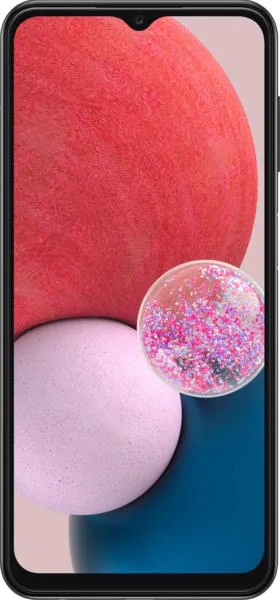
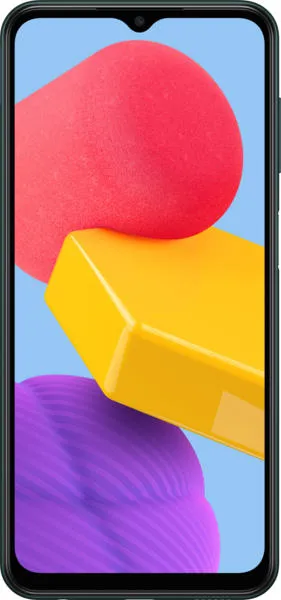
Samsung Galaxy A13 vs. Samsung Galaxy M13: A User-Centered Comparison
As a technology communications specialist, my goal is to help you understand these phones not just by their specs, but by how they fit into your life. Let's delve into the Samsung Galaxy A13 and M13, focusing on the user experience.
1. Design and Usability Assessment:
| Feature | Galaxy A13 | Galaxy M13 | User Experience Impact |
|---|---|---|---|
| Interface Design | Standard Samsung One UI | Standard Samsung One UI | Virtually identical user interface; familiarity across Samsung ecosystem. |
| Interaction Flow | Smooth, responsive (depending on RAM) | Smooth, responsive (depending on RAM) | Day-to-day tasks should feel similar on both devices. |
| Accessibility | Standard Android accessibility features | Standard Android accessibility features | Both offer basic accessibility options, but individual needs may vary. |
| Ergonomics | Slightly thicker and heavier | Slightly thinner and lighter | M13 might offer a slightly more comfortable one-handed use due to its weight. |
2. Narrative-Driven Feature Exploration:
Scenario: Imagine you're a student using your phone for note-taking, research, and staying connected with friends.
- Both phones: Offer large 6.6" screens, perfect for viewing documents and multitasking. The 5000mAh battery ensures you can power through a full day of classes without constantly searching for an outlet. The Exynos 850 processor handles everyday tasks efficiently.
- A13 Advantage: Offers more RAM and storage options (up to 6GB/128GB), beneficial for multitasking and storing large files. This allows for a smoother user experience when switching between apps. Think of it as having more desks in your mental workspace to organize your thoughts and projects.
3. Inclusive Technology Evaluation:
- For budget-conscious users: Both phones offer excellent value. The A13's wider range of RAM/storage options allows for customization based on individual needs and budget constraints.
- For users prioritizing performance: While both have the same processor, the A13's potential for higher RAM could give it a slight edge in multitasking and demanding applications.
- For users focused on portability: The M13's slightly lighter and thinner profile might be preferred.
4. Design-Centric Decision Framework:
Beyond the technical similarities, the subtle design differences can significantly impact your experience.
- Do you need maximum storage and multitasking capability on a budget? The A13 offers more flexibility in configuration.
- Is a slightly lighter and more compact design paramount? The M13 might be a better fit.
My Choice: As Sophia Rodriguez, focusing on the holistic user experience, I would choose the Samsung Galaxy A13. While marginally heavier, the potential for greater RAM and storage (up to 6GB/128GB) directly translates to a smoother, more efficient user experience in the long run. This allows for seamless multitasking, especially for productivity-focused tasks. The wider range of storage options caters to diverse user needs, accommodating large files like photos, videos, and documents without compromising performance. The subtle difference in weight is a minor trade-off for a significantly enhanced user experience driven by greater processing power and storage flexibility. In essence, the A13 offers more future-proofing and adaptability to evolving user needs within a comparable price range.
