
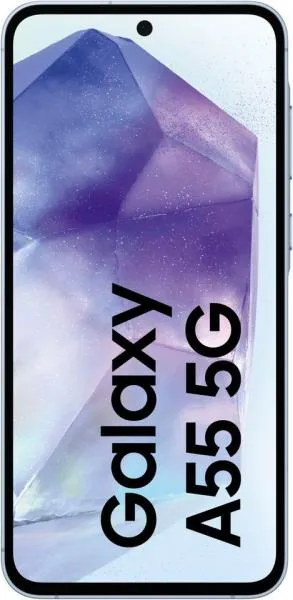
Samsung Galaxy A13 vs. Samsung Galaxy A55: A User-Centered Comparison
Let's dive into a comparative analysis of the Samsung Galaxy A13 and A55, focusing on the user experience rather than just specs.
1. Design and Usability Assessment:
| Feature | Samsung Galaxy A13 | Samsung Galaxy A55 | User Experience Impact |
|---|---|---|---|
| Interface Design | PLS LCD, 6.6", 400 ppi | Super AMOLED, 6.6", 403 ppi, 120Hz refresh rate | A55 offers a significantly richer visual experience with vibrant colors, smoother animations, and reduced motion blur due to the higher refresh rate. |
| Interaction Flow | Standard Android 12 experience | Android 14 with potential for longer software updates | A55 benefits from newer OS features and extended security support, contributing to a more modern and future-proof user experience. |
| Accessibility Features | Basic Android accessibility options | Enhanced Android 14 accessibility features | A55 likely provides more comprehensive accessibility options catering to a wider range of user needs. |
| Design Ergonomics | Plastic body, 195g | More premium materials, though slightly heavier at 213g | A55 may offer a more premium feel, while A13 prioritizes lightweight portability. |
2. Narrative-Driven Feature Exploration:
Scenario: Imagine a student using their phone for note-taking, browsing, and casual gaming.
- A13: The student might experience some lag during multitasking or gaming due to the less powerful processor. The display, while functional, lacks the vibrancy and smoothness of the A55.
- A55: The student enjoys a seamless experience with smooth scrolling, responsive gaming, and a visually engaging display. The faster refresh rate makes note-taking feel more natural and less strenuous on the eyes.
3. Inclusive Technology Evaluation:
- Visually Impaired Users: The A55's superior display and enhanced accessibility features in Android 14 would offer a better experience for users with visual impairments.
- Budget-Conscious Users: The A13 offers a more affordable entry point for users prioritizing basic functionality over premium features.
- Power Users: The A55's more powerful processor, higher refresh rate, and longer software support cater to users who demand performance and longevity.
4. Design-Centric Decision Framework:
The A13 prioritizes affordability and basic functionality. The A55 focuses on a premium user experience with a superior display, faster performance, and longer-term software support.
My Choice: Samsung Galaxy A55
While the A13 offers a budget-friendly option, the A55's superior display, smoother performance, extended software updates, and enhanced camera capabilities create a significantly better overall user experience. The investment in the A55 translates to a more enjoyable and future-proof mobile experience. The smoother display alone significantly impacts daily interactions, making everything from scrolling through social media to taking notes feel more fluid and responsive. Furthermore, the commitment to longer software updates ensures the device remains secure and relevant for an extended period. For these reasons, the A55 is the clear winner from a user-centered perspective.
