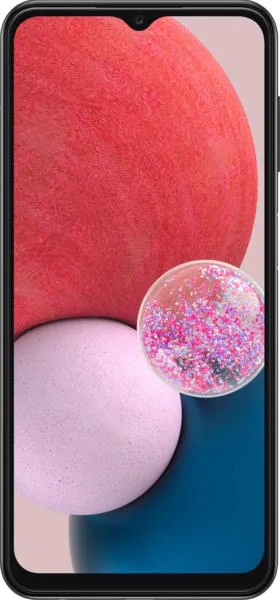
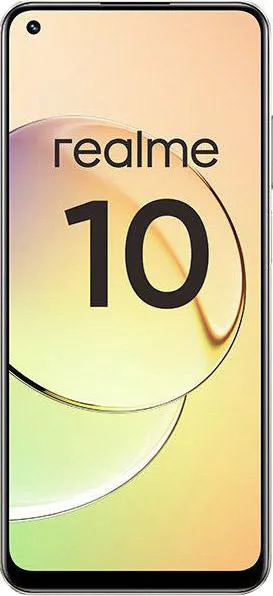
Samsung Galaxy A13 vs. Realme 10: A User-Centered Comparison
Let's embark on a journey beyond the numbers and delve into the user experience offered by the Samsung Galaxy A13 and the Realme 10. Instead of getting lost in a sea of specifications, we'll explore how these devices translate into real-world use.
1. Design and Usability Assessment:
| Feature | Samsung Galaxy A13 | Realme 10 | User Experience Impact |
|---|---|---|---|
| Interface Design | One UI Core 4.1 | Realme UI 3.0 | Realme UI generally offers more customization options and a slightly cleaner aesthetic, potentially appealing to users who prefer a more personalized experience. |
| Interaction Flow | Standard Android | Optimized UI | Realme 10 boasts a 90Hz AMOLED display leading to smoother animations and transitions, making interactions feel more fluid and responsive. |
| Accessibility | Basic Android Features | Basic Android Features | Both devices offer standard Android accessibility features. However, Realme's brighter display (1000 nits peak) can enhance readability in sunlight, benefiting users with visual impairments. |
| Design Ergonomics | Plastic Build, Larger | Slimmer, Lighter | Realme 10's slimmer profile and lighter weight (178g vs 195g) contribute to a more comfortable one-handed use. |
2. Narrative-Driven Feature Exploration:
Scenario: Imagine a busy professional who relies on their phone for communication, productivity, and entertainment.
- Galaxy A13: The large 6.6" PLS LCD provides ample screen real estate for multitasking. However, the standard 60Hz refresh rate might feel less responsive compared to the Realme 10.
- Realme 10: The 90Hz Super AMOLED display of the Realme 10 brings emails, web pages, and social media feeds to life with vibrant colors and fluid scrolling. The faster refresh rate significantly enhances the user experience for tasks like gaming and browsing.
3. Inclusive Technology Evaluation:
- Visual Impairment: Realme 10's brighter AMOLED display benefits users with visual impairments by ensuring content remains legible in bright environments.
- Senior Users: Both phones offer straightforward interfaces. However, the slightly larger display and font size options on the Galaxy A13 might be preferred by senior users.
- Budget-Conscious Users: The Galaxy A13 offers a more affordable entry point with various storage options, catering to users seeking value for their money.
4. Design-Centric Decision Framework:
- Prioritize Visual Experience: Choose Realme 10 for its superior AMOLED display with a 90Hz refresh rate, offering a vibrant and smooth visual experience.
- Value for Money: Choose Galaxy A13 for its budget-friendly price point and larger screen size, ideal for users seeking core functionality without breaking the bank.
- Ergonomics and Portability: Choose Realme 10 for its slimmer, lighter design, enhancing one-handed usability and portability.
My Choice: Realme 10
While the Galaxy A13 offers a solid foundation, the Realme 10 provides a more compelling overall user experience. The 90Hz Super AMOLED display is a game-changer, transforming everyday interactions into something truly enjoyable. The slimmer design and slightly more powerful processor further solidify its position as the more desirable option for me. The smoother performance, vibrant visuals, and comfortable handling outweigh the slightly higher price point, making the Realme 10 a more satisfying choice in the long run. Ultimately, it's about choosing a device that not just meets your needs but enhances your daily interactions, and the Realme 10 achieves this with finesse. It aligns more closely with my user-centric framework, prioritizing the feeling of using the device over a purely spec-based comparison.
