Samsung Galaxy A13 vs. Samsung Galaxy M15: A Deep Dive
Let's dissect the Samsung Galaxy A13 and the newer Galaxy M15, focusing on how their specs translate to real-world use. We'll go beyond the numbers to understand what each phone offers for different kinds of users.
1. Specifications Breakdown
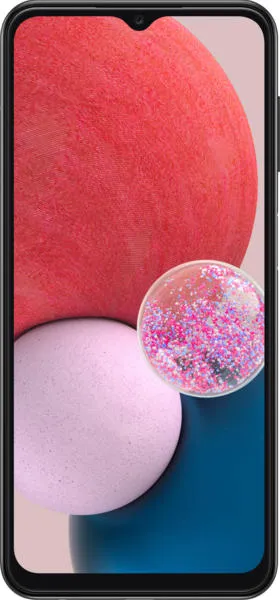
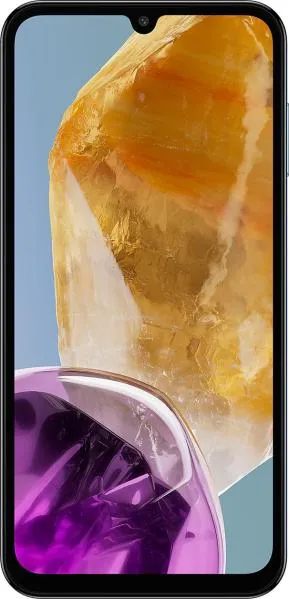
| Feature | Samsung Galaxy A13 (SM-A137) | Samsung Galaxy M15 | Real-World Implications |
|---|---|---|---|
| Design | |||
| Dimensions (mm) | 165.1 x 76.4 x 8.8 | 160.1 x 76.8 x 9.3 | M15 is slightly shorter, wider and thicker. Negligible difference in hand feel. |
| Weight (g) | 195 | 217 | A13 is noticeably lighter, reducing hand fatigue during extended use. |
| Display | |||
| Type | PLS LCD | Super AMOLED | M15 offers richer colors, deeper blacks, and better power efficiency. |
| Size | 6.6" | 6.5" | Negligible size difference; both offer ample screen real estate. |
| Resolution | 1080 x 2408 | 1080 x 2340 | Virtually identical sharpness; both are crisp and clear. |
| Refresh Rate | Unspecified | 90Hz | M15's higher refresh rate provides smoother scrolling and animations, enhancing responsiveness. |
| Performance | |||
| Chipset | Helio G80 (12nm) | Dimensity 6100+ (6nm) | M15's significantly more powerful and efficient chipset delivers superior performance in all tasks. |
| CPU | Octa-core (2x2.0 GHz A75, 6x1.8 GHz A55) | Octa-core (2x2.2 GHz A76, 6x2.0 GHz A55) | M15 boasts faster CPU cores, leading to snappier app loading, multitasking, and gaming. |
| RAM | 3/4GB | 4/6GB | M15 offers more RAM, improving multitasking and overall system fluidity. |
| OS | Android 12 (up to 13) | Android 14 | M15 ships with a newer Android version, offering potential feature and security advantages. |
| Camera | |||
| Rear | 50MP Main, 5MP Wide, 2MP Macro & Depth | 50MP Main, 5MP Wide, 2MP Macro | Comparable main cameras, but M15 potentially benefits from a newer image processing pipeline. |
| Selfie | 8MP | 13MP | M15 offers a higher resolution selfie camera for sharper self-portraits. |
| Battery Life | |||
| Capacity | 5000 mAh | 6000 mAh | M15's larger battery capacity should provide significantly longer usage time. |
2. Key Insights
The Galaxy M15 is a clear step up from the A13 in nearly every category. Its Dimensity 6100+ processor offers a substantial performance advantage, resulting in a smoother, more responsive user experience. The 90Hz AMOLED display is a major differentiator, delivering vibrant visuals and fluid animations. The M15 also boasts a larger battery, newer Android OS, and a higher resolution selfie camera.
The A13's main advantage is its lighter weight. However, its older processor and PLS LCD screen make it less appealing for demanding tasks or media consumption.
3. User Profiles and Recommendations
- A13: Budget-conscious users who prioritize basic communication and light tasks like web browsing and social media. Its lighter weight might appeal to those who value portability.
- M15: Users seeking a well-rounded mid-range phone with excellent performance, a vibrant display, long battery life, and capable cameras. Suitable for gaming, media consumption, and more demanding applications.
4. Buying Decision Framework
- What's your budget? The M15 likely commands a slightly higher price, but the performance and feature upgrades may justify the cost.
- What are your primary phone uses? For basic tasks, the A13 might suffice. For gaming, media consumption, or demanding apps, the M15 is the better choice.
- How important is battery life? The M15's larger battery is a significant advantage for heavy users.
My Choice: I would choose the Samsung Galaxy M15. While the A13 offers a lower price point, the M15's superior performance, stunning AMOLED display, longer battery life, and more up-to-date software make it a far more compelling device for my needs. As someone who values a smooth and responsive user experience, the M15's 90Hz refresh rate and powerful Dimensity chipset are particularly appealing. The enhanced camera capabilities and the future-proofing offered by the newer Android OS further solidify the M15 as the clear winner in this comparison. The slightly higher weight is a negligible trade-off for the substantial gains in overall performance and user experience.
