1. Specifications Comparison
| Feature | Samsung Galaxy A05s | Xiaomi Redmi Note 13 Pro 4G | Practical Impact |
|---|---|---|---|
| Design | |||
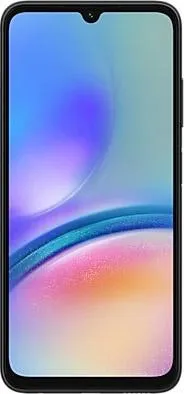
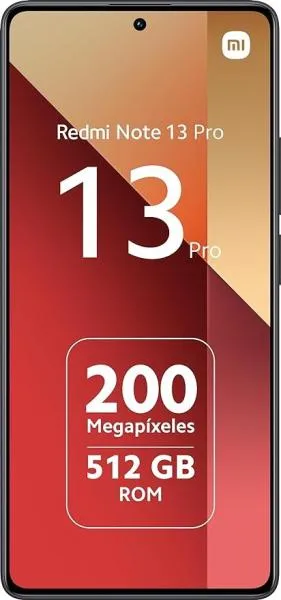
| Dimensions | 168 x 77.8 x 8.8 mm | 161.1 x 75 x 8 mm | The Redmi is slightly smaller and may feel more comfortable in hand. |
| Weight | 194g | 188g | The Redmi is slightly lighter, making it less noticeable in a pocket. |
| Fingerprint Sensor | Side-mounted | Under-display | Preference-based; under-display is often considered more modern. |
| Display | |||
| Display Type | PLS LCD, 90Hz | AMOLED, 120Hz, 1B colors | The Redmi offers significantly better contrast, colors, and smoother scrolling thanks to AMOLED and 120Hz. |
| Size | 6.7" | 6.67" | Negligible size difference. |
| Resolution | 1080 x 2400 | 1080 x 2400 | Same resolution, sharpness will be similar. |
| Peak Brightness | Not specified | 1300 nits | The Redmi's much higher peak brightness ensures excellent outdoor visibility. The lack of data for the A05s makes a direct comparison impossible. |
| Performance | |||
| Chipset | Snapdragon 680 4G (6nm) | Mediatek Helio G99 Ultra | Both are mid-range chipsets; benchmarks needed for definitive performance comparison. "Ultra" designation on the Helio G99 doesn't guarantee superior performance without further data. |
| CPU | Octa-core (4x2.4 GHz & 4x1.9 GHz) | Octa-core (2x2.2 GHz & 6x2.0 GHz) | Clock speeds suggest comparable performance, but architecture differences could impact real-world usage. Benchmarking is required for accurate comparison. |
| GPU | Adreno 610 | Mali-G57 MC2 | Gaming performance likely favors Redmi, but further investigation is needed. |
| RAM/Storage | 128GB/4GB, 128GB/6GB | 256GB/8GB, 512GB/12GB | The Redmi offers significantly more RAM and storage in its base configuration. More RAM enables smoother multitasking. |
| Battery | |||
| Capacity | 5000 mAh | 5000 mAh | Similar battery capacity suggests comparable battery life, but real-world usage will vary. |
| Other | |||
| OS | Android 13 | Android 13 (upgradable to 16) | Redmi offers longer software support, important for security and feature updates. |
| NFC | Yes | Yes | Both support contactless payments. |
| USB | USB Type-C 2.0 | USB Type-C 2.0, OTG | OTG on the Redmi allows connection of peripherals like USB drives. |
2. Key Differences Analysis
Redmi Note 13 Pro 4G Advantages:
- Superior Display: AMOLED with 120Hz refresh rate and much higher peak brightness offers a dramatically better visual experience.
- More RAM and Storage: Provides smoother multitasking and ample space for apps and files.
- Longer Software Support: Ensures security updates and new features for a longer period.
- Potentially Better Performance: Though requiring benchmarks to confirm, the specifications suggest a potential advantage for the Redmi in gaming and demanding tasks.
Samsung Galaxy A05s Advantages:
- Potentially Lower Price: Depending on specific market pricing, the A05s might be more budget-friendly.
3. User Profiles & Recommendations
Redmi Note 13 Pro 4G: Suitable for users who prioritize display quality, performance, future-proofing through software updates, and ample storage. Ideal for media consumption, gaming, and multitasking.
Samsung Galaxy A05s: Best suited for budget-conscious users who prioritize basic functionality over premium features. Suitable for light usage such as calling, texting, and web browsing.
4. Decision Framework
Key Questions:
- What is your budget? The Redmi Note 13 Pro 4G likely comes at a premium.
- How important is display quality? If a vibrant and smooth display is crucial, the Redmi is the clear winner.
- What is your typical usage? For demanding tasks and gaming, the Redmi is likely better equipped.
My Choice: Xiaomi Redmi Note 13 Pro 4G
The Redmi Note 13 Pro 4G offers a significantly better display, more RAM and storage, longer software support, and potentially better performance. While we lack specific benchmark data and pricing information, the advantages in key areas like display, memory, and software updates make it the compelling choice. The superior user experience offered by the AMOLED display and 120Hz refresh rate alone would heavily sway my decision. Even if the Redmi is slightly more expensive, the long-term value proposition due to extended software support reinforces its position as the better overall device.
