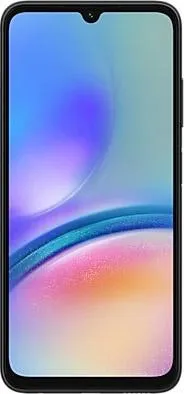
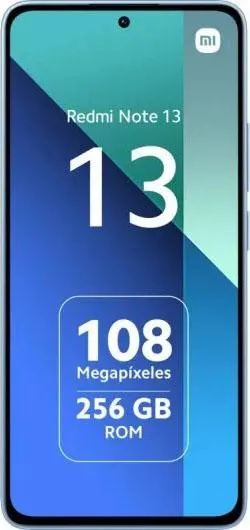
1. Specifications Comparison
| Feature | Samsung Galaxy A05s | Xiaomi Redmi Note 13 4G | Practical Impact |
|---|---|---|---|
| Design | |||
| Dimensions | 168 x 77.8 x 8.8 mm | 162.3 x 75.6 x 8 mm | Redmi Note 13 is slightly smaller and thinner, potentially more comfortable for one-handed use. |
| Weight | 194g | 188.5g | Redmi is slightly lighter, reducing hand fatigue during extended use. |
| Fingerprint Sensor | Side-mounted | Under-display | Preference-based, but under-display is often perceived as more modern. |
| Display | |||
| Display Type | PLS LCD, 90Hz | AMOLED, 120Hz | AMOLED offers richer colors, deeper blacks, and better power efficiency. 120Hz provides smoother scrolling and animations than 90Hz. |
| Size | 6.7" | 6.67" | Negligible difference in screen real estate. |
| Resolution | 1080 x 2400 | 1080 x 2400 | Identical resolution, resulting in similar sharpness. |
| Peak Brightness | Not specified | 1800 nits | Redmi's significantly higher peak brightness ensures excellent outdoor visibility. The lack of data for the A05s prevents a complete comparison. |
| Performance | |||
| Chipset | Snapdragon 680 4G | Snapdragon 685 4G | The Snapdragon 685 offers a slight performance boost over the 680, resulting in potentially faster app loading and smoother multitasking. |
| CPU | Octa-core (4x2.4 GHz & 4x1.9 GHz) | Octa-core (4x2.8 GHz & 4x1.9 GHz) | Redmi has faster prime cores, leading to better performance in demanding tasks. |
| GPU | Adreno 610 | Adreno 610 | Same GPU, indicating similar graphical capabilities. |
| RAM/Storage | 128GB/4GB, 128GB/6GB | 128GB/8GB, 256GB/8GB | Redmi offers more RAM across all variants, improving multitasking and overall responsiveness. More storage options also provide greater flexibility. |
| Camera | |||
| Video Capabilities | 1080p@30/60fps | 1080p@30fps | Samsung offers 60fps recording for smoother video. Detailed camera specs are missing, hindering a complete comparison. |
| Battery | |||
| Capacity | 5000 mAh | 5000 mAh | Identical battery capacity suggests similar battery life, though actual usage may vary depending on other factors. |
2. Key Differences Analysis
Redmi Note 13 4G Advantages:
- Superior Display: AMOLED with 120Hz refresh rate and high peak brightness offers a significantly better visual experience.
- Enhanced Performance: Snapdragon 685 and more RAM provide smoother multitasking and faster app loading.
- More Storage Options: Offers up to 256GB of storage compared to 128GB on the A05s.
Samsung Galaxy A05s Advantages:
- Potentially Better Value: Depending on pricing, could offer better value if the price difference is significant.
- Higher Video Frame Rate: Offers 60fps video recording for smoother footage.
Trade-offs:
- Redmi Note 13: Lacks 60fps video recording.
- Samsung Galaxy A05s: Inferior display, less powerful processor, less RAM.
3. User Profiles & Recommendations
Redmi Note 13 4G: Ideal for users who prioritize display quality, performance, and ample storage. Suitable for multimedia consumption, gaming, and demanding applications.
Samsung Galaxy A05s: Suitable for budget-conscious users who prioritize basic functionality and battery life over high-end features. Best for casual use like calling, texting, and web browsing.
4. Decision Framework
Key Questions for Buyers:
- What is your budget? The Redmi Note 13 likely comes at a premium.
- What are your primary use cases? Gaming and media consumption benefit from Redmi's superior display and performance.
- How important is display quality? The AMOLED display on the Redmi is a significant advantage.
Scenario-Based Recommendations:
- Tight Budget: Samsung Galaxy A05s if the price difference is substantial.
- Multimedia Enthusiast: Redmi Note 13 for its superior display and performance.
- Casual User: Either phone could suffice, depending on budget and individual preferences.
My Choice: Xiaomi Redmi Note 13 4G
The Redmi Note 13 4G offers a significantly better user experience due to its superior AMOLED display with 120Hz refresh rate and higher peak brightness, improved performance thanks to the Snapdragon 685 and larger RAM capacity, and more flexible storage options. While the Samsung Galaxy A05s might be a viable option for extremely budget-conscious buyers, the Redmi's advantages in crucial areas like display and performance make it the clear winner for me. Even without knowing the specific camera details, the overall package of the Redmi Note 13 is more appealing for a broader range of users. The slightly smaller form factor is also a plus.
