1. Specifications Comparison
| Feature | Samsung Galaxy A05s | Xiaomi Redmi A3x | Practical Impact |
|---|---|---|---|
| Design | |||
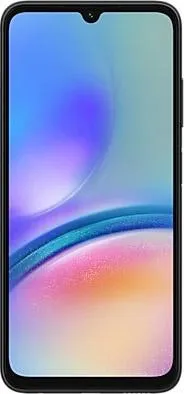
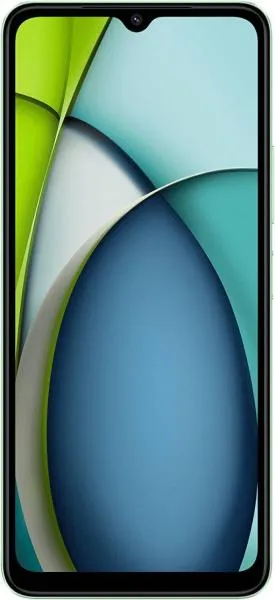
| Dimensions | 168x77.8x8.8mm | 168.4x76.3x8.3mm | Redmi A3x is slightly thinner. Negligible difference in daily use. |
| Weight | 194g | 193g | Virtually identical weight. |
| Build Materials | Not specified | Not specified | Cannot compare build quality and durability. |
| Display | |||
| Size | 6.7" | 6.71" | Negligible size difference. |
| Type | PLS LCD, 90Hz | IPS LCD, 90Hz | Both offer smooth scrolling, but PLS LCD generally offers slightly better color accuracy and viewing angles than IPS. |
| Resolution | 1080x2400 | 720x1650 | Significantly sharper and more detailed visuals on the A05s. Impacts image quality, text clarity, and overall viewing experience. |
| PPI | 393 | 268 | Noticeably higher pixel density on the A05s, resulting in sharper text and images. |
| Brightness | Not specified | 500 nits | Cannot compare peak brightness; impacts outdoor visibility. |
| Performance | |||
| Chipset | Snapdragon 680 4G (6nm) | Unisoc T603 (22nm) | Snapdragon 680 is significantly more powerful and power-efficient due to the smaller manufacturing process (6nm vs 22nm). This translates to smoother multitasking, better gaming performance, and improved battery life. |
| CPU | Octa-core (4x2.4 GHz & 4x1.9 GHz) | Octa-core 1.8 GHz | A05s has faster clock speeds, leading to noticeably better performance in demanding tasks. |
| GPU | Adreno 610 | 8 (Unspecified Model) | Adreno 610 offers significantly better graphics performance for gaming and visually demanding applications. The unspecified GPU in the Redmi A3x limits detailed comparison. |
| RAM | 4GB/6GB | 4GB | More RAM options available for the A05s, potentially enabling smoother multitasking. |
| Storage | 128GB | 128GB | Identical storage capacity. |
| Software | |||
| OS | Android 13 | Android 14 | A3x launches with a newer Android version, potentially offering newer features and longer software support. A05s' maximum supported Android version is unknown. |
| Other | |||
| NFC | Yes | No | A05s supports contactless payments and data transfer via NFC. |
| Battery | 5000 mAh | 5000 mAh | Same battery capacity; actual battery life depends on other factors like chipset efficiency and display resolution. |
| Price Range | Medium | Low | A3x is expected to be more affordable. |
2. Key Differences Analysis
Samsung Galaxy A05s Advantages:
- Significantly better performance: The Snapdragon 680 and Adreno 610 offer a much smoother user experience, especially for gaming and multitasking.
- Sharper Display: Higher resolution and PPI translate to a crisper, more detailed viewing experience.
- NFC: Enables contactless payments and data transfer.
Xiaomi Redmi A3x Advantages:
- Lower Price: More budget-friendly option.
- Newer Android Version: Launches with Android 14, potentially offering longer software updates. However, the maximum supported version for the A05s is unknown.
- Slightly Thinner: Negligible difference in practical use.
3. User Profiles & Recommendations
Samsung Galaxy A05s: Users who prioritize performance, a good display, and NFC functionality, and are willing to pay a bit more. Suitable for gaming, media consumption, and general use.
Xiaomi Redmi A3x: Budget-conscious users who prioritize affordability over performance and features. Suitable for basic tasks like calling, texting, and web browsing.
4. Decision Framework
Key Questions for Buyers:
- What is your budget? The Redmi A3x is a budget option, while the A05s sits in the mid-range.
- What is your primary use case? For demanding tasks like gaming or media consumption, the A05s is significantly better. For basic use, the A3x might suffice.
- How important are features like NFC and display quality? The A05s offers NFC and a much better display.
My Choice: Samsung Galaxy A05s
While the Redmi A3x offers a lower price point, the significantly superior performance and display of the Galaxy A05s make it a much more compelling device for a broader range of users. The Snapdragon 680 offers a substantially better user experience compared to the Unisoc T603. The sharper display is crucial for enjoyable media consumption and general use. While the Redmi A3x might be sufficient for extremely budget-conscious buyers who only need a phone for basic tasks, the A05s offers much better value in the long run due to its superior performance and longevity. The inclusion of NFC further strengthens its value proposition. The slightly newer Android version on the Redmi A3x is a potential advantage, but without knowing the maximum supported version for the A05s, it's difficult to assess the long-term software support. Ultimately, the performance and display differences are significant enough to justify the price difference for most users.
